wayground logo

Free Printable Worksheets

Font size

S
M
L
XL
Worksheets

What have you learned all semester

Total questions: 135

Worksheet time: 3hrs 43mins

Name
Class
Date
1.
Who was the first president of the United States of America?
a)
Barack Obama
b)
Donald Trump
c)
George Washington
d)
Hillary Clinton
2.

Why did james monroe made this statement

a)

To strengthen alliances( friendships ) with Europe

b)

To prevent European intervention in countries near the United States

c)

To create immigration from the United states

d)

To prevent immigration to the United States

3.

The U.S. Foreign Policy shown in this cartoon was made to?

a)

Prevent European Colonization in Latin America

b)

Encourage European s to invest in Latin America

c)

keep the war between France and Spain from Spreading

d)

Stop Spain from starting a revolution

4.

The Organization of the first U.S political parties resulted from disagreements over which issue?

a)

Louisiana Purchase

b)

Election of George Washington

c)

Establishing the National Bank

d)

Attack of the North Africa

5.

Which speaker is in favor of ratifying the constitution

a)

Speaker 1

b)

Speaker 2

c)

Speaker 3

d)

Speaker 4

6.

The following is a direct result of the war of 1812

a)

Foreign manufacturing increased

b)

American manufacturing decreased

c)

American manufacturing increased

d)

American manufacturing stayed the same

7.

According to the Northwest Ordinance, which condition did the US Territory have to meet in order to apply for statehood

a)

Have a population of 60,000

b)

Hold a vote to be a free or slave state

c)

Establish schools

d)

Establish police

8.

When was the Declaration of independence signed

a)

July 4, 1776

b)

July 4, 1779

c)

June 4, 1779

d)

July 9,1776

9.

What happened in 1607

a)

Jamestown

b)

Plymouth

c)

Louisiana purchase

d)

Freedom

10.

What happened in 1620

a)

Jamestown

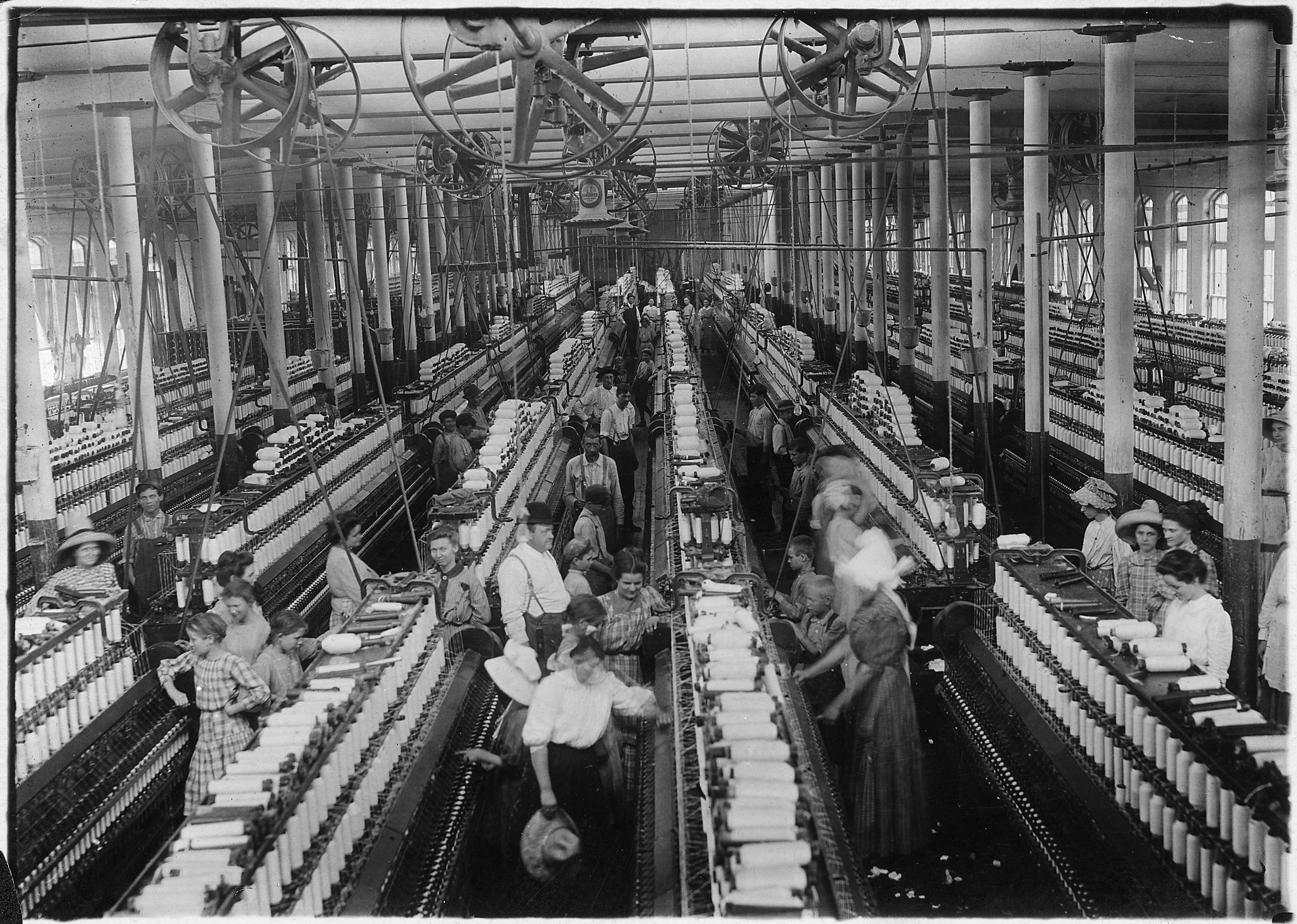
b)

Plymouth

c)

Louisiana

d)

Revolution

11.

Which of the following best completes the diagram above?

a)

Boston Tea Party

b)

War of 1812

c)

American Revolution

d)

Civil War

12.

The Whiskey Rebellion was an uprising over

a)

The federal government enforcing tax laws

b)

the necessity of a national military

c)

taxes on food

d)

Forcing veterans to work

13.

The Idea expressed in this quote is that the United States should avoid?

a)

becoming involved in the political affairs of other countries

b)

being part of a global trade network

c)

establishing U.S. territories overseas

d)

allowing US citizens to emigrate

14.

Which pair contributed to the development of political parties in the United States

a)

1

b)

2

c)

3

d)

4

15.

Which of the following best describes the Alien and Sedition Acts?

a)

Created to support first amendment

b)

Created to stop the public from saying anything bad about the Governement

c)

Created to support the second amendment

d)

Created to deny the use of guns

16.

A certain small town has many choices for people who want to attend religious services including two churches, a synagogue, a cathedral, a mosque, and a temple. These choices are protected by the --

a)

First amendment

b)

Third amendment

c)

Sixth amendment

d)

Eighth amendment

17.

Which factor contributed to the founding of the new religious groups in the United States?

a)

Freedom listed in the Bill of rights

b)

Expansion of voting

c)

Growth of abolitionist movement

d)

Beliefs expressed by Transcendentalist

18.

When George Washington became president, he was dealing with

a)

Debt from the Revolutionary war

b)

Fight between his best friends

c)

White house not complete

d)

Debt from the French and Indian War

19.

President can appoint an ambassador or a federal judge but congress needs to approve it. This is an example of

a)

Checks and Balances

b)

Seperation of Power

c)

Republicanism

d)

Federalism

20.

Which of the following completes the Diagram

a)

Destroy the state government

b)

Build a national bank

c)

Create executive cabinet

d)

create political powers

21.

first political parties were established because of political differences between

a)

John Adams and Benjamin Franklin

b)

Alexander Hamilton and Thomas Pain

c)

George Washington and James Madison

d)

Thomas Jefferson and Alexander Hamilton

22.

Which phrase completes the Excerpt

a)

Colonial settlement

b)

Protective tariffs

c)

Permanent alliance

d)

territorial Disputes

23.

Who or what was the XYZ?

a)

French officials who met with American diplomats

b)

Ships of american diplomats

c)

America code for war

d)

President John Adams

24.

What action completes the graphic organizes

a)

French Naval attacks U.S Harbors

b)

British Invasion of allied with the United States

c)

French embargoes on trade with the United states

d)

British impressment of US sailors

25.

Which of the following is the source of this statement on foreign policy?

a)

George Washington Farewell Address

b)

The Monroe Doctrine

c)

Abraham Lincoln's first inaugural Address

d)

The Federalist Papers

26.

Which of these best summarizes the Monroe Doctrine?

a)

The immigration of European to the United States must be discourage

b)

International peace can be maintained without complicated alliances

c)

The power to nullify federal laws is necessary to preserve sovereignty

d)

Further colonization of the Americas by Europeans countries is prohibited (not allowed)

27.

Alexander Hamilton and Thomas Jefferson created two political parties. What were they?

a)

Federalist and Anti-Federalist

b)

Federalist and Democratic-REpublicans

c)

Whigs and Green Party

d)

Green Party and Republicans

28.

What does this picture represent

a)

Mercantilism

b)

Communism

c)

Republicanism

d)

Federalism

29.
Which of the following is not one of the original 13 colonies?
a)
Maryland
b)
Rhode Island
c)
Kentucky
d)
Georgia
30.
Which of the following is not one of the original 13 colonies?
a)
Alabama
b)
South Carolina
c)
Virginia
d)
Connnecticut
31.
Which of the following is not one of the economic impacts that we discussed in class?
a)
Fur Trapping
b)
Car Manufacturing
c)
Ship Building
d)
Tobacco
32.
Which country is considered to be the "Mother Country" of the 13 original colonies?
a)
England
b)
France
c)
Italy
d)
Germany
33.
Virginia is a ____________ colony
a)
New England
b)
Middle
c)
Southern
34.
Massachusetts is a _____________ colony
a)
New England
b)
Middle
c)
Southern
35.
New Jersey is a ____________ colony
a)
New England 
b)
Middle 
c)
Southern
36.

Name that colony!

a)

Pennsylvania

b)

Georgia

c)

New Jersey

d)

Massachusetts

37.

Name this colony!

a)

Connecticut

b)

Georgia

c)

Maryland

d)

South Carolina

38.

Which mountain range is pictured?

a)

Appalachian

b)

Rockies

c)

Andes

d)

Cascades

39.

In which colonial region were cotton and tobacco mainly grown?

a)

New England

b)

Middle

c)

Southern

40.

In which colonial region were shipbuilding and timber prominent (a lot of it) economic activities?

a)

New England

b)

Middle

c)

Southern

41.

In which colonial region were grains mainly grown?

a)

New England

b)

Middle

c)

Southern

42.

Which of these colonial regions was known for having the hottest climate and rich soil, conducive to growing cash crops?

a)

New England

b)

Middle

c)

Southern

43.
1. set-up the government of the new Plymouth Colony. 
2. Direct Democracy for men only. 
3. People met at town meetings to discuss issues and vote on solutions. (Established the tradition of town hall meetings.
4. Resulted in majority rule.
a)
Mayflower Compact
b)
Virginia House of Burgesses
c)
1st Continental Congress
d)
English Bill of Rights
44.
1. First successful English settlement in the New World, 
2. 1607. Set up as a joint-stock company
3. Virginia House of Burgesses
a)
Jamestown
b)
Plymouth
c)
Pilgrim
d)
Massachusetts
45.
Colonial region that focused on shipping and manufacturing
a)
New England Colonies (New Hampshire, Massachusetts, Connecticut, Rhode Island)
b)
Middle Colonies (New York, New Jersey, Pennsylvania, Delaware, Maryland)
c)
Southern Colonies (Virginia, North Carolina, South Carolina, Georgia)
46.
Colonial region 
1. focused on cash crops like cotton and tobacco
2. slavery became much more important in the southern colonies than any other colonial region.
a)
New England Colonies (New Hampshire, Massachusetts, Connecticut, Rhode Island)
b)
Middle Colonies (New York, New Jersey, Pennsylvania, Delaware, Maryland)
c)
Southern Colonies (Virginia, North Carolina, South Carolina, Georgia)
47.
Colonial region focused on food crops such as wheat
a)
New England Colonies (New Hampshire, Massachusetts, Connecticut, Rhode Island)
b)
Middle Colonies (New York, New Jersey, Pennsylvania, Delaware, Maryland)
c)
Southern Colonies (Virginia, North Carolina, South Carolina, Georgia)
48.
Economic theory which said that a nation should export more than they import, and should create colonies for natural resources.
a)
Mercantilism
b)
Triangle Trade
c)
Navigation Acts
d)
Free Enterprise
49.
They came to Pennsylvania for religious freedom
a)
Quakers
b)
Catholics
c)
Puritans
d)
Separatists
50.
What was "Salutary Neglect?"
a)
England neglected to enforce their own trade laws
b)
The colonists neglected to follow the trade laws
c)
The colonists neglected to salute the English flag
d)
None of the above
51.
Which of these best describes the environment of the New England colonies?
a)
Long, hot summers and mild winters
b)
Harsh winters and rocky, hilly land
c)
Broad coastal plains and fertile soil
d)
Broad rivers, swamps and wet lands
52.
The Middle Passage refers to 
a)
The ocean crossing of the slaves
b)
The route taken to reach New York 
c)
A step in climbing the social ladder
d)
A system of trade between the colonies 
53.
Which religious group founded Plymouth Colony and the Massachusetts Bay Colony?
a)
Puritans
b)
Church of England
c)
Catholics
d)
Quakers
54.
Georgia was founded as a refuge for what group of people?
a)
Quakers
b)
debtors
c)
Puritans
d)
Catholics
55.
What is the goal of Mercantilism?
a)
To make the individual rich
b)
To establish colonies in the New World
c)
To make the Mother Country rich
d)
To gain access to raw materials and new markets
56.
The Northern Region's economy included shipbuilding because of the availability of what major resource?
a)
Rivers
b)
Iron Ore
c)
Lumber
d)
Tar
57.
The trade system developed by the colonies between Europe, the West Indies and Africa was called...
a)
Salutary or Benign Neglect
b)
Mercantilism 
c)
Triangular Trade
d)
Navigation Acts
58.
Mercantilism is when
a)
Raw materials were bought cheaply by the colony and sold as refined materials to the 'Mother Country'
b)
Raw materials were bought cheaply by the 'Mother Country' and sold as refined materials to the colony
c)
When merchants sold their goods for high prices to working class citizens
d)
When working class citizens were forced to sell their products to make profits
59.
The part of the Triangular Trade used to transport slaves from Africa to the West Indies and the 13 colonies was called...
a)
The Slave Journey
b)
The Middle Passage
c)
The Northwest Passage 
60.
What 3 continents did the Atlantic Slave Trade include?
a)
North America, South America, and Brazil
b)
North America, South America, and Africa
c)
North America, Europe, and Africa
d)
South America, Asia, and Europe
61.
Where were most slaves in the West Indies and British North Americans put to work?  
a)
Gold and silver mines
b)
household kitchens
c)
grain mills
d)
sugar and tobacco plantations
62.
The middle passage was...
a)
From Africa to the Americas carrying African slaves
b)
From Britain to Africa carrying manufactured goods
c)
Carrying sugar, tobacco, rum, rice, cotton and other goods back to Britain
d)
From Africa to Britain carrying slaves
63.
The French and Indian War was was fought between the
a)
French and the Indians
b)
Indians and the Spanish
c)
French and British against the Indians
d)
The French and Indians against the British and the colonists.
64.
The Treaty of Paris 1763 marked the end of the French and Indian War.
a)
True
b)
False
65.
What did the Proclamation of 1763 say?
a)
France owned the land west of the Appalachian Mountains
b)
Natives owned the land west of the Appalachian Mountains
c)
Colonists could move west of the Appalachian Mountains
d)
Colonists could not move west of the Appalachian Mountains
66.
What was a cause of the Proclamation of 1763?
a)
The Native Americans were asking for more money.
b)
The British did not want to keep on fighting with the Native Americans.
c)
The King was bored and wanted to make a new law.
d)
The King wanted to control his settlers so he made this Proclamation.
67.
Why were many colonists angry about the Proclamation of 1763?
a)
They were unhappy because they could not settle on new lands.
b)
They wanted to travel all the way west to California.
c)
They wanted to share the land with the Native Americans.
d)
They wanted their money back for the land.
68.

Which law taxed goods like legal documents, wills, newspapers, playing cards, etc.?

a)

Navigation Acts

b)

Pamphlet Act

c)

Stamp Act

d)

War Debt Act

69.

Which act was the considered the WORST EVER, closed the port of Boston, and limited town meetings?

a)

Intolerable Acts

b)

Perfectly Tolerable Acts

c)

Stamp Act

d)

Proclamation of 1763

70.

What slogan did the colonists use as a protest?

a)

No taxation without representation

b)

No tea without the sea

c)

We make noise till you hear our voice

d)

No acts without the facts

71.

How did the colonists react to the Tea Act?

a)

They held a political party

b)

Dumping coffee into Boston Harbor

c)

Kicking British soldiers out of their homes

d)

Boston Tea Party

72.

Why did Britain pass taxes in the colonies?

a)

They wanted to buy more gold

b)

To pay French and Indian War debt

c)

The King needed new clothes

d)

To punish the colonists for disobeying laws

73.

Which of the following was not a reaction to the Stamp Act?

a)

The Boston Tea Party

b)

Stamp Act Congress

c)

Tarring and Feathering

74.

Which is a peaceful colonial protest?

a)

Boycott

b)

Tar and feathering

c)

Boston Tea Party

d)

Burning of British warship

75.

Which act forced colonists to house soldiers?

a)

Stamp Act

b)

Tea Act

c)

Housing Act

d)

Quartering Act

76.

Which Act hurt colonial tea merchants?

a)

Tea Act

b)

Stamp Act

c)

Sugar Act

d)

Milk Act

77.
This act was a tax on everyday household items such as glass, paper, paint, & tea.
a)
Declaratory Act
b)
Stamp Act
c)
Townshend Act
78.
These acts were passed to punish Massachusetts colony after the Boston Tea Party:
a)
Intolerable Acts
b)
Townshend Acts
c)
Declaratory Act
79.
Taxes on commercial shipping occurred under the ___________ Act.
a)
Tea
b)
Stamp
c)
Sugar
80.
People who supported the king and England were called:
a)
Patriots
b)
Minutemen
c)
Loyalists
d)
militias
81.
People who supported the rebellion of the colonies were called:
a)
Loyalists
b)
Patriots
c)
Minutemen
d)
militias
82.

The ___________ fought hard to gain America's freedom from the king of England.

a)

Patriots

b)

Loyalists

c)

freedom

d)

treaty

83.

The American Revolutionary war was ___________ the American colonists and England(Great Britain).

a)

between

b)

soldiers

c)

government

d)

rights

84.
This American victory was the turning point in the American Revolutionary war and encouraged the French to join forces with them (the Americans).
(Turning point is a big change in a situation)
a)
Saratoga
b)
Yorktown
c)
Bunker Hill
d)
Lexington and Concord
85.

This patriot made a daring ride through Lexington, Massachusetts to warn colonists, militia, and Minutemen that British soldiers were approaching by sea.

a)

Patrick Henry

b)

Paul Revere

c)

Phillis Wheatley

d)

Samuel Adams

86.
How were the American/Continental army able to defeat the British during the first battle, The Battle of Lexington and Concord?
a)
By firing on them from behind stone walls and trees in the woods.
b)
By challenging the British to them for a battle
c)
By warning the British that they were going to attack them
87.

Why was Massachusetts so important during the first battle of the American Revolutionary War?

a)

It was the where King George III was born

b)

It was where the Boston Massacre and Boston Tea Party occurred

c)

It was where the first shot was fired when the Battles of Lexington and Concord started

d)

It was where the American Revolutionary war ended

88.
At the end of the  American Revolution war, the Treaty of Paris was signed in 1783.  What was the most important thing that the American colonists gained from this agreement?
a)
Americans gained their independence(freedom) from Great Britain
b)
Americans decided to keep King George III as their leader
c)
Americans decided to say that Great Britain won the war
d)
Nothing was gained from the signed agreement
89.
Where were the first armed conflicts of the American Revolution?
a)
Yorktown
b)
Saratoga
c)
Lexington and Concord
d)
Bunker Hill
90.

Proclamation of 1763

a)

A law created by King George to encourage colonists to stop smuggling goods.

b)

King George tells colonists they can't move west past the Appalachian Mountains.

c)

Gives England a monopoly on a one particular good.

d)

Series of laws passed by the British to control the colonists and punish them for the Boston Tea Party

91.

The Sugar Act (1764)

a)

Taxes on many imported goods.

b)

Series of laws passed by the British to control the colonists and punish them for the Boston Tea Party

c)

A law created by King George to encourage colonists to stop smuggling goods.

d)

Patriots taunt British soldiers. Soldiers panic and shoot 5 people.

92.

The Stamp Act (1765)

a)

Gives England a monopoly on a one particular good.

b)

Representatives from across the colonies meet in Philadelphia to discuss their opposition to British Policy

c)

Taxes on many imported goods.

d)

Tax on all printed materials (wills, newspapers, playing cards, etc).

93.

The Boston Tea Party (December 17, 1773)

a)

Tax on all printed materials (wills, newspapers, playing cards, etc).

b)

Patriots protest British taxes by destroying a large quantity of a particular good.

c)

Unites the 13 colonies for the first time ever.

d)

A law created by King George to encourage colonists to stop smuggling goods.

94.

The Townshend Act (1767)

a)

Patriots protest British taxes by destroying a large quantity of a particular good.

b)

King George tells colonists they can't move west past the Appalachian Mountains.

c)

Patriots taunt British soldiers. Soldiers panic and shoot 5 people.

d)

Taxes on many imported goods.

95.

Intolerable Acts (1774)

a)

Series of laws passed by the British to control the colonists and punish them for the Boston Tea Party

b)

Representatives from across the colonies meet in Philadelphia to discuss their opposition to British Policy

c)

A law created by King George to encourage colonists to stop smuggling goods.

d)

Patriots taunt British soldiers. Soldiers panic and shoot 5 people.

96.
First Battle of the American Revolution was also know as
a)
French and Indian War
b)
7 Years War
c)
Dead Man's Day
d)
Shot Heard Around the World
97.
What are your 3 Unalienable Rights, as expressed by Thomas Jefferson?
a)
Peace, Love and Joy
b)
Life, Liberty, and Property
c)
Life, Leadership and Pursuit of Happiness
d)
Life, Liberty and Pursuit of Happiness
98.
"Give me Liberty or Give me Death" meant
a)
I live to die
b)
I want freedom from slavery
c)
I will die for my freedom
d)
death is the only freedom
99.
Which group is in the correct order?
a)
Yorktown, Valley Forge, Saratoga, Lexington and Concord
b)
Lexington/Concord, Saratoga, Valley Forge, and Yorktown
c)
Lexington/Concord, Valley Forge, Saratoga, and Yorktown
d)
Valley Forge, Yorktown, Lexington/Concord, and Saratoga
100.
The last major battle fought by Washington's army was...
a)
Cowpens
b)
Charleston
c)
Yorktown
d)
Saratoga
101.
What battle was the turning point?
a)
Saratoga
b)
Cowpens
c)
Yorktown
d)
Bunker Hill
102.
Which part of the Declaration means everyone should be treated equally?
a)
All men are created equal
b)
everyone can be free
c)
the people's rights are protected
103.
Why did France decide to help?
a)
the colonists helped during the French and Indian War
b)
They were also under control of the British
c)
France considered England an enemy, too
104.
Who was the major author of the Declaration of Independence?
a)
Benjamin Franklin
b)
John Adams
c)
Thomas Jefferson
d)
Patrick Henry
105.
What event is depicted in this image?
a)
Boston Massacre
b)
Boston Tea Party
c)
Battle of Bunker Hill
d)
Lexington and Concord
106.
The belief that the US had a right and duty to expand across the North American contitent was known as
a)
The Great Expansion
b)
Manifest Destiny
c)
Oregon Fever
d)
The Monroe Doctrine
107.

Which of the following are present day states in the Southwest

a)

California

b)

Missouri

c)

Utah

d)

Nevada

e)

Arizona

108.
Why were railroads so important during this time?
a)
they moved goods more quickly and less expensively over greater distances
b)
they were fun to ride on to go visit family in other states
c)
people could ride on railroads to get to their jobs in another city
109.
Where were most factories built?
a)
in the mountains
b)
in the desert
c)
along rivers
110.
Who invented cotton gin and interchangeable parts?
a)
John Deere
b)
Eli Whitney
c)
Samuel Slater
d)
Elias Howe
111.
Who invented the steamboat?
a)
Robert Fulton
b)
Samuel Morse
c)
Cyrus McCormick
d)
Francis Cabot Lowell
112.
Who invented the telegraph?
a)
Elias Howe
b)
Eli Whitney
c)
Samuel Slater
d)
Samuel Morse
113.
One of the goals of the women's suffrage movement was to
a)
give women the right to work.
b)
allow women to attend church.
c)
give women the right to vote.
d)
get women out of schools.
114.
A person who believed in getting rid of slavery was called ______________.
a)
an abolitionist
b)
a soldier
c)
a civilian
115.

Which of the following individuals was a former slave who published a newspaper titled “The North Star” which spoke about the evils of slavery?

a)

Sojourner Truth

b)

Frederick Douglass

c)

Abraham Lincoln

d)

Harriet Tubman

116.

Frederick Douglass wanted _______.

a)

to help slave children.

b)

money.

c)

to be a land owner.

d)

justice for slaves.

117.

The first three branches of the constitution are the

a)

Legislative, Executive, and Judicial

b)

Executive, Legislative, and Judicial

c)

Judicial, Legislative, and Executive

d)

Legislative, Judicial, and Executive

118.

The first three words of the constitution are...

a)

All the people...

b)

We the people...

c)

Some of the people...

d)

We the men and women .....

119.

The words, "We the people" contains the important idea of

a)

Federalism

b)

limited government

c)

Anti-Federalism

d)

self-government

120.

Which branch of the government pardons criminal for their offenses?

a)

Legislature

b)

Executive

c)

Judicial

121.

The Judicial branch

a)

interprets laws.

b)

executes laws.

c)

follows laws.

d)

creates laws.

122.

The Supreme Court deals with

a)

state laws.

b)

United States Constitutional laws.

c)

whatever they want to hear because they can never be removed from office.

d)

all laws from city, state, and federal government.

123.
What were the Articles of Confederation?
a)
newspaper articles discussing a new governement
b)
another term for the Constitution
c)
America's first attempt at a national government
d)
the Bill of Rights
124.
What was the Constitutional Convention?
a)
the first meeting of the Senate and House of Representatives
b)
the building in which the Constitution is on display
c)
another term for the Bill of Rights
d)
a meeting between states to create the Constitution
125.
Which of the following as a major weakness of the Articles of Confederation?
a)
the national government had very limited power
b)
the national government could not declare war
c)
soldier uniforms were poor quality
d)
only one person was in charge of the whole country
126.
Which branch of government is responsible for making laws?
a)
executive
b)
legislative
c)
judicial
127.
Which branch of government is responsible for approving or denying laws?
a)
executive
b)
legislative
c)
judicial
128.
Which branch of government is responsible for approving or denying laws?
a)
executive
b)
legislative
c)
judicial
129.
At the Constitutional Convention, there were debates about who should be in the United States government.  Eventually, delgates came to a compromise known as The Great Compromise, whih split the legislative branch into two parts called houses.  This compromise was an agreement between:
a)
rich and poor states
b)
large and small states
c)
slave and free states
d)
loyalist and patriot states
130.
At the Constitutional Convention, there were debates about who should be in the United States government.  Eventually, delgates came to a compromise known as The Great Compromise, whih split the legislative branch into two parts called houses.  This compromise was an agreement between:
a)
rich and poor states
b)
large and small states
c)
slave and free states
d)
loyalist and patriot states
131.
Which amendment guarantees the right to keep and bear arms
a)
1st Amendment
b)
2nd Amendment
c)
4th Amendment
d)
8th Amendment
132.
Which amendment guarantees the right to a lawyer?
a)
1st Amendment
b)
2nd Amendment
c)
4th Amendment
d)
6th Amendment
133.
Which amendment guarantees the right to a lawyer?
a)
1st Amendment
b)
2nd Amendment
c)
4th Amendment
d)
6th Amendment
134.
Which amendment guarantees the right to a lawyer?
a)
1st Amendment
b)
2nd Amendment
c)
4th Amendment
d)
6th Amendment
135.
What is meant by  "unreasonable search"?
a)
checking bags before boarding an airplane
b)
looking for property that has been stolen
c)
defending against an armed citizen
d)
people's homes cannot be searched without good reason and a warrant