
 Worksheets
economics basics Lecture 1
Total questions: 100
Worksheet time: 59mins
Which of these explains a want, not a need?
Shelter: If you don't have this you could possibly die in cold weather
Chocolate: People like to eat this as a sweet treat, some may think it's delicious.
Protein: This is important for having good health. It provides valuable nutrients.
Clothes: You wear these to stay warm and out of jail.
The definition of a need is: Something that is essential for life and ________ to __________.
necessary, survive
essential, life
necessary, essential
essential, survive
A want is: Something that makes life more happy and _________ but not _________ to survive.
necessary, comfortable
essential, necessary
happy, comfortable
comfortable, necessary
Which one of these items is a want and why?
hand soap: you want clean hands
carrots: you want nutrients in your diet
cake: you want a dessert every now and then
apartment: you want a place to live
Which one of these items is a need and why?
DVD's: to entertain you when you get bored
a pool: to keep you cool and so you can relax
a million dollars: so you can be rich and possibly famous
a doctor: to provide medical help when needed


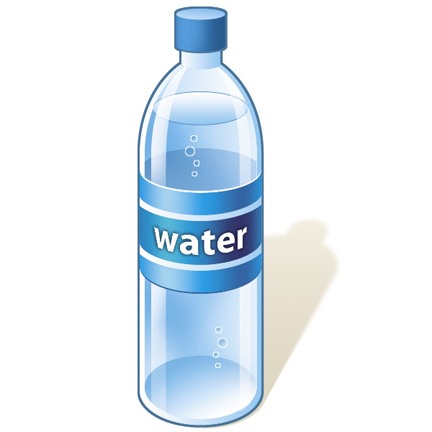

Which is a need?
Pop
Coffee
Water
Gatorade
Which is a want?
A place to live (shelter)
Oxygen
Car
Food
Are headphones a need or want?
Need
Want
Is family a need or want?
Need
Want
Is a television a need or want?
Need
Want
Is a computer a need or want?
Need
Want
Depends on your individual situation
A want is something we would like to have but could easily live without it.
True
False
A need is something we can't live without.
True
False

Is this type of shelter a need or want?
Need
Want
Which items should you pay for before buying any of your wants?
Rent
Utilities
Groceries
All of the above
Which is a need?
iPhone
Medication
Backpack
Sunglasses
Is a car a need or a want?
Need
Want
Depends on your individual situation
Is a job a need or a want?
Need
Want
Which of the following is NOT a need?
Snacks
Cleaning Supplies
Toiletries
Towels

Is this brand of clothing a need or want?
Need
Want
It's okay to purchase some of your wants if all of your needs are taken care of.
True
False
Elizabeth has a $25 budget to spend at the store. Which items should she buy first before she buys anything else?
soda, bottled water, grapes
bread, candy, chips
milk, ice cream, pasta
eggs, oranges, soup
Which of the following reasons best describe why you NEED a new book?
There's a movie version of the book coming out.
Your friend told you that you should read the book.
Your English teacher is requiring you to read the book.
Many people at school have recommended it.
It's recommended that you spend your money on ________ last.
needs
wants
debt
budget
Which of the following best describes a WANT for school supplies?
new pencils
new notebooks
new markers
If you asked for a new bike, which of the following reasons would you tell your parents that it's a NEED?
You need it so you can go to your friends house whenever you want.
You need it because your friend just got a new bike and you want to be like them.
You need it so you can get fresh air and exercise during the summer.
You need it because the one that you have now isn't as nice looking anymore.
What might be some good reasons that a computer is a need and not a want? (Pick 2)
To check Facebook
To do work for a job
To do homework
To play games on the internet
To watch Netflix
Physical objects that someone produces
Want
Need
Good
Service
An action or activity that one person performs for another
Want
Need
Good
Service
SELECT ALL THAT APPLY: Which one of these is an example of a scarce resource?
Time
Money
Food
Oil

SELECT ALL THAT APPLY: "Orange is the New Black" is the most popular show on Netflix, according to viewer surveys. Netflix is an example of a: _______ & _______.
Good
Service
Want
Need

SELECT ALL THAT APPLY: Over 490 million tons of rice were consumed worldwide in 2018-19. Rice is an example of a _______ & ________.
Good
Service
Want
Need
The fact that there are limited amounts of goods and services to meet unlimited wants is called:
Scarcity
Shortage
Surplus
Economics
Economics is the study of how people seek to satisfy their needs and wants by making choices
True
False
Scarcity forces us to make economic decisions
True
False
***People want more things than they have money to buy.
***The goods and services a society can produce at any one time are limited.
What problem results from these two conditions?
True/False: Human wants will always exceed available resources.
TRUE
FALSE
When "wants are greater than the resources available to satisfy them," it is called...
Scarcity
Needs
Opportunity Cost
None of these answers
Because of scarcity, people are forced to make _________ about how to use resources.
Choices
Opportunities
Houses
Desires
When you make a choice, you often have to give up other options...those things are called the...
Opportunity Cost
Missed Opportunities
Misused Resources
Scarce Options
Which one of the following is an opportunity cost?
You stay out late and your parents ground you.
You run a red light and you get a ticket.
You choose to give up math to study for history.
In a softball game, you miss the ball and strike out.
In economics a decision is free if:
There is no money involved.
There are no products involved.
There is no exchange with another person.
A decision is never free. There is usually an alternative which results in an opportunity cost. Not free.
Ram models. After a lot of thought, he narrowed it down to either the Ford or the Chevrolet.
He selected the Ford because he liked the interior a little better. What was his opportunity
cost?


Land includes...
The "gifts of nature" or natural resources not created by human effort.
the tools, equipment, and factories used in production of goods and services
people with all their efforts and abilities
individuals who start a new business or bring a product to market.
Capital refers to...
The "gifts of nature" or natural resources not created by human effort.
people with all their efforts and abilities
the tools, equipment, and factories used in production of goods and services
individuals who start a new business or bring a product to market.
Labor refers to...
people with all their efforts and abilities
individuals who start a new business or bring a product to market.
the tools, equipment, and factories used in production of goods and services.
The "gifts of nature" or natural resources not created by human effort.
Entrepreneurs are...
people with all their efforts and abilities
individuals who start a new business or bring a product to market.
The "gifts of nature" or natural resources not created by human effort.
the tools, equipment, and factories used in production of goods and services
Bill Gates is an example of...
Land (seriously though, come on)
Labor
An Entrepreneurs
Capital
WHAT ARE THE 4 FACTORS OF PRODUCTION?
Land, Capital, Need & Want
Land, Labor, Capital, Entrepreneurs
Water, Air, Food & Shelter
Land, Capital, Good & Service
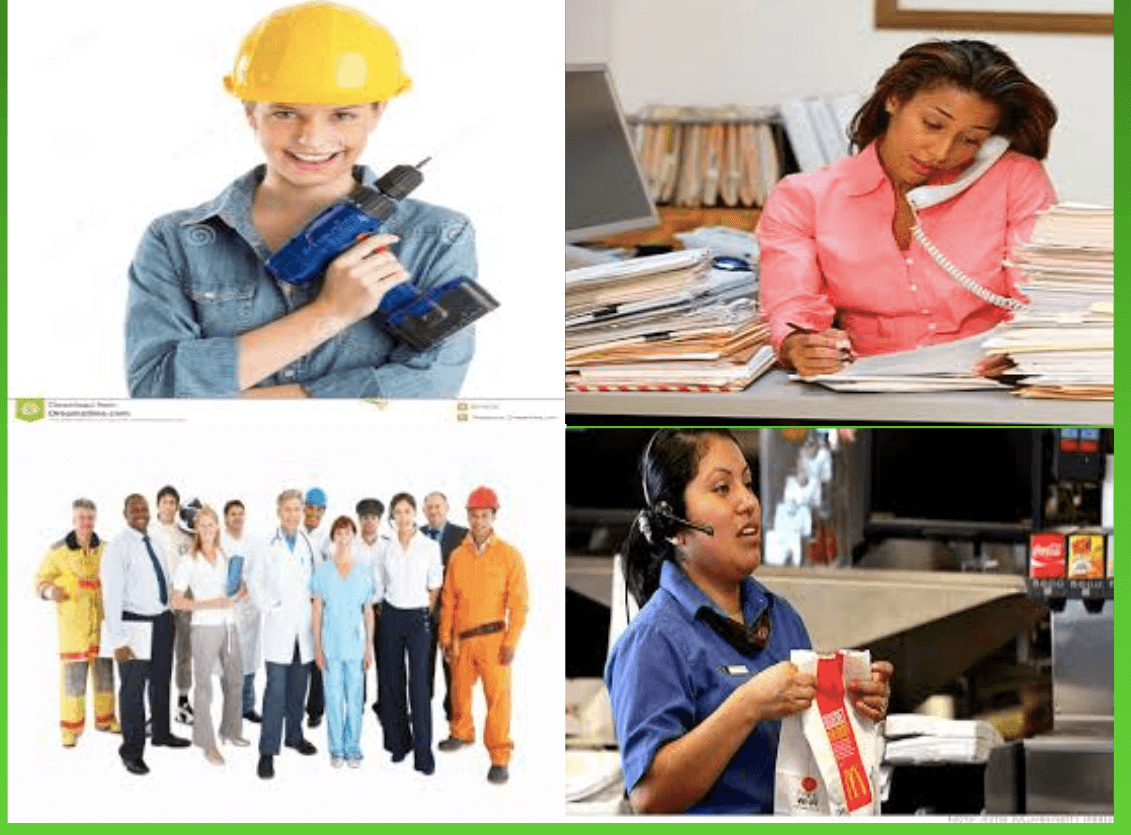
Which of the factors of production is this?
capital
entrepreneur
land
labor
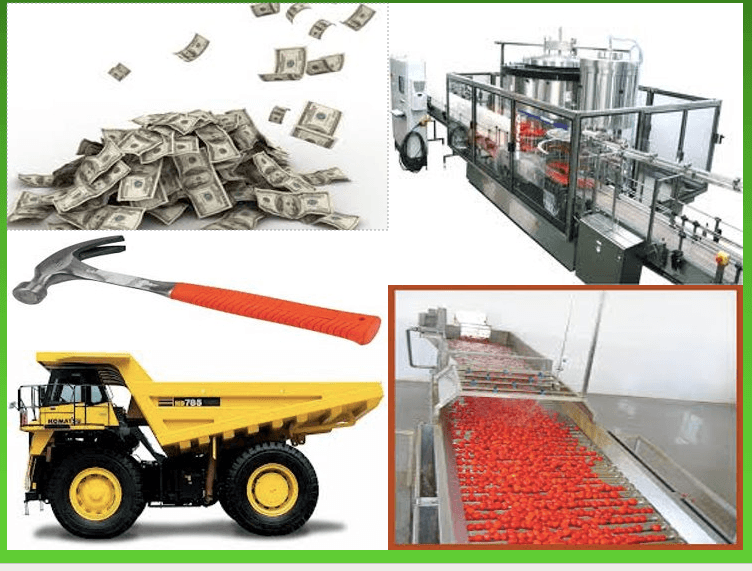
Which one of the factors of production is this?
capital
entrepreneur
land
labor
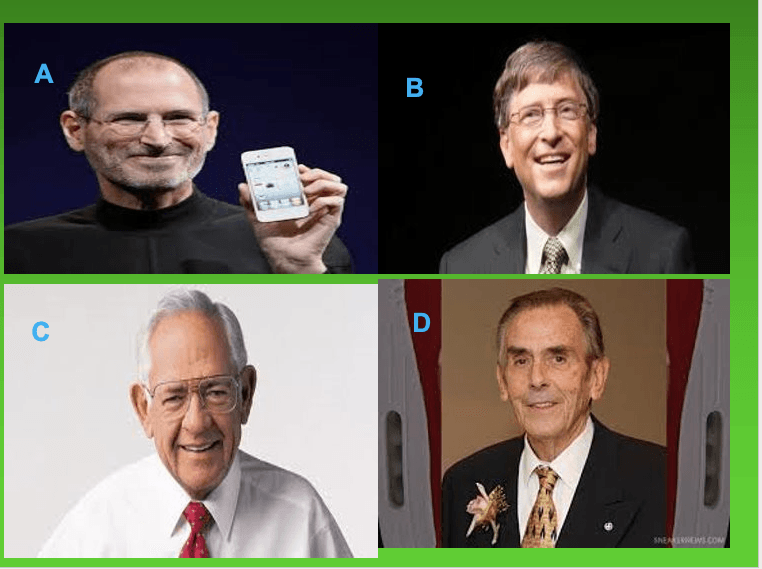
Steve Jobs the founder of Apple is holding up an I-phone. What is another name for someone who starts a business?
capital
entrepreneur
land
labor
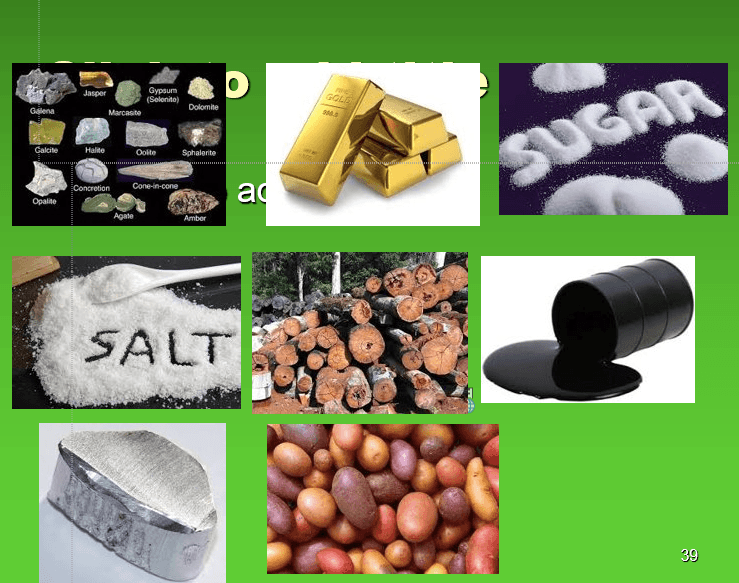
Which factor of production is this?
capital
entrepreneur
land
labor
This factor involves money, equipment, and tools and any items to produce goods and services?
capital
entrepreneur
land
labor

Iron Ore
Land
Labor
Physical capital
Human capital
Entrepreneuership

Machinery
Land
Labor
Physical capital
Human capital
Entrepreneurship

Creativity
Land
Labor
Physical capital
Human capital
Entrepreneurship


