Worksheets
NC EOC Biology Review part 1
Total questions: 50
Worksheet time: 1hrs 29mins
What are the four biological molecules?
proteins, carbohydrates, lipids, nucleic acids
A, T, C, G
water, air, earth, and fire
starches, dairy products, carbohydrates, meats




These organelles in plants capture light energy and store it in glucose molecules to be used as food.
Chloroplasts
Mitochondria
Endoplasmic Reticulum
Vacuoles
Which is true about Embryonic Stem Cells.
They no longer grow, their cell type is set and can not change
They are limited to the type of cell they can become
They can become any cell type in the body
They are found in adults
Cells that have the ability to become any type of specialized cell in the body are called:
cell membranes
stem cells
nerve cells
cardiac cells

The diagram shows the process of cell specialization from a single stem cell. Which of the following statements is true about the process of specialization.
Specilized cells (blood, skin, nervous etc) cannot be produced from a single stem cell
Specilized cells are produced immediately following fertilization
Even though all the cells in an organism come from one single cell, they can specialize into different cell types
Since all the cells in an organism come from one single cell, they must all have the same structure and function


If a cell has 70% water and the solution it is in has 90% water, will it swell, shrink or stay the same?
swell
shrink
stay the same
If a cell has 90% water and the solution around it has 70% water, will it swell, shrink or stay the same?
swell
shrink
stay the same

Which of the following represents chromosome # during fertilization? sperm + egg = zygote
n+n=2n
n=n
2n=n+n
2n=2n

What makes up the backbone of DNA molecules?
Nucleotides
Nitrogenous bases and phosphate groups
Sugar and Phosphate groups
Nitrogenous bases and sugars
In DNA, Adenine pairs with...
Guanine
Cytosine
Thymine
Uracil

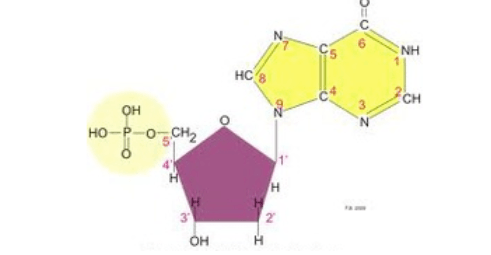
Identify what structure is outlined in the BLACK outline.
Base pair
deoxyribose sugar
phosphate group
hydrogen bonds
Nucleotide

AATCATGGA
In what process is mRNA synthesized?
Transcription
Translation
DNA Replication
Mitosis
Where does TRANSCRIPTION occur?
Nucleus
Ribosome
Cytoplasm
Mitochondria
TRANSCRIBE this DNA sequence: TACGTTACT
AUGCAAUGA
ATGCAATGA
AUGGATUGA
TACGTTACT
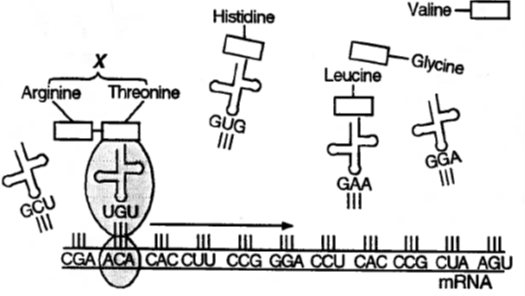
TRANSLATE this RNA sequence: AUGCAAUGA
Met-Glu-Stop
Met-His-Stop
Thr-Glu-Stop
Thr-Pro-Stop
A DNA nucleotide may be made up of a phosphate group, along with
deoxyribose sugar and uracil
ribose sugar and cytosine
deoxyribose sugar and thymine
ribose sugar and adenine