Wayground logo

Free Printable Worksheets

Font size

S
M
L
XL
Worksheets

7th mid-term

Total questions: 52

Worksheet time: 38mins

Name
Class
Date
1.

A single celled organism that does not have a nucleus nor membrane bound organelles

a)

eukaryote

b)

prokaryote

2.

An organism made up of cells that have a nucleus and membrane bound organelles

a)

Prokaryote

b)

Eukaryote

3.

The powerhouse of the cell

a)

Nucleus

b)

Golgi Complex

c)

Endoplasmic Reticulum

d)

Mitochondria

4.
Which of the following is the smallest unit of life that can carry out all life functions?
a)
the mitochondria
b)
the vacuoles
c)
the nucleus
d)
the cell
5.
What is the function of the cell nucleus found in both plant and animal cells?
a)
to produce energy
b)
to control cell activity
c)
to remove waste products
d)
to allow molecules to enter the cell
6.
Cell organelles that are responsible for digesting food, worn out organelles and other cellular wastes are called ___________________.
a)
Mitochondria
b)
Vacuoles
c)
Lysosomes
d)
Chlororplasts
7.
All cells need energy to function.  Which cell organelle is responsible for producing energy in the cell?
a)
chloroplasts
b)
mitochondria
c)
nucleus
d)
vacuoles
8.
Cattle egrets forage (feed) in fields among cattle. The egret gets easy access to flying insects stirred up by the cattle, and the cattle don't care if they are there or not.
a)
mutualism
b)
commensalism
c)
competition
d)
parasitism
9.
A relationship between two organisms in which one organism benefits and the other is unharmed...
a)
Mutualism 
b)
Competition
c)
Parasitsm 
d)
Commensalism 
10.
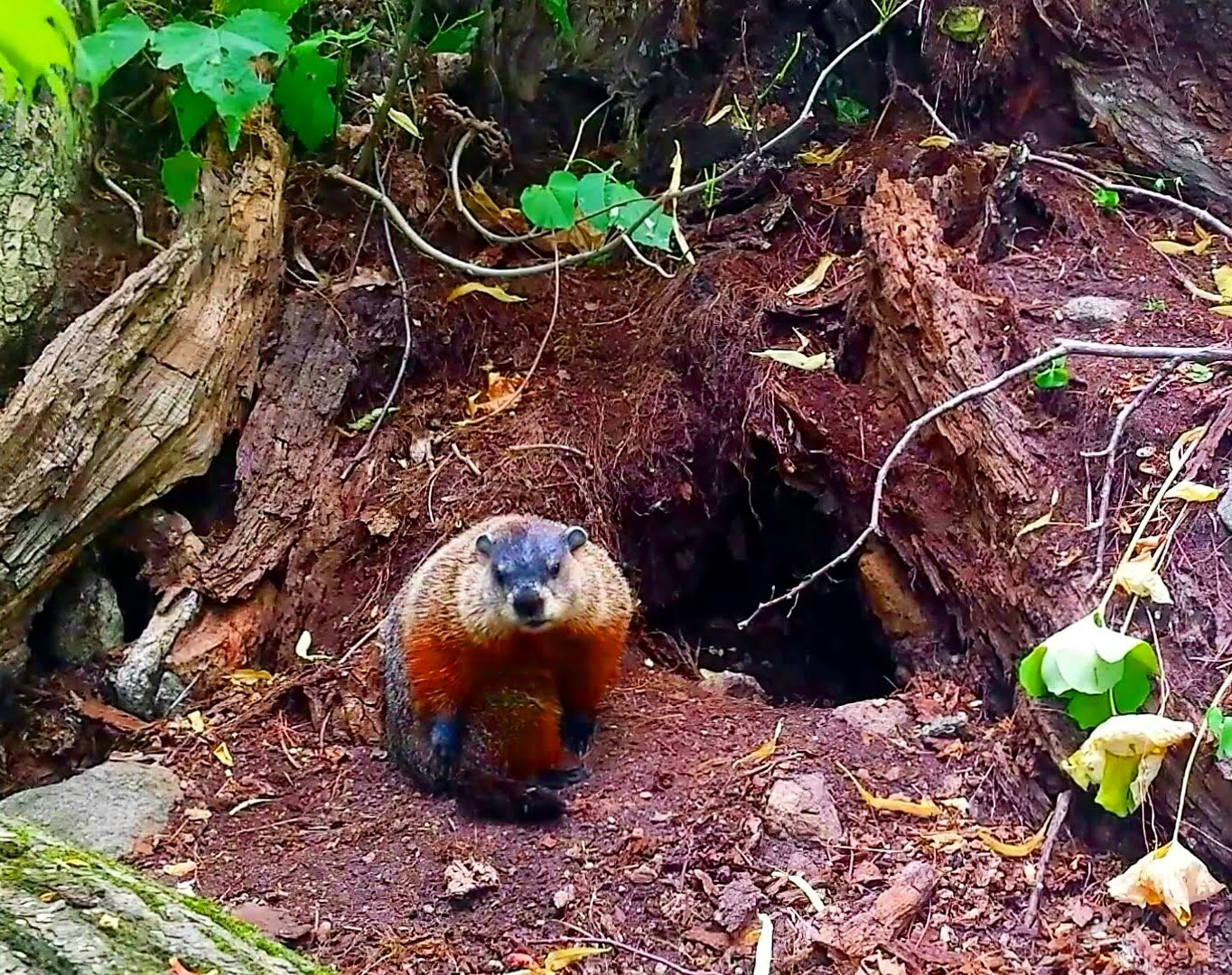
What type of symbiosis?  Skunks often live in burrows that have been dug and abandoned by woodchucks.  
a)
commensalism
b)
mutualism
c)
parasitism
d)
predation
11.
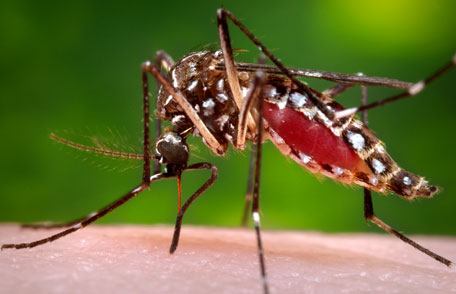
When a mosquito bites you, you are the __________ and the mosquito is the  ____________.
a)
host, hostess
b)
parasite, host
c)
host, parasite
d)
prey, predator
12.
In asexual reproduction, all of the offspring are:
a)
Physically Identical
b)
Genetically Identical
c)
Physically and Genetically Identical
d)
Not Identical
13.
A hydra reproduces when an outgrowth, or bud, forms and continues to develop until if falls off of the parent. This is an example of:
a)
Binary Fission
b)
Sporulation
c)
Budding
d)
Vegetative Propagation
14.
a)
budding
b)
sporulation
c)
vegetative propagation
d)
binary fission
15.
a)
budding
b)
binary fission
c)
sporulation
d)
regeneration
16.
What is organized DNA called?
a)
Genes
b)
Deoxyribonucleic Acid
c)
Chromosomes
d)
Nucleus
17.

___________________ is a type of asexual reproduction in which a piece of a parent organism breaks off to form an new organism (ex. starfish).

a)

fission

b)

budding

c)

fragmentation

d)

fertiliztion

18.

Male and female reproductive cells are collectively known as:

a)

spores

b)

pollen

c)

gametes

d)

offspring

19.
What is an advantage of sexual reproduction?
a)
Allows genetic variation
b)
Only needs one parent
c)
Happens very quickly
d)
Offspring are exact copies of parent
20.
After meiosis II the daughter cells will contain ____ chromosomes if the original cell contained 78.
a)
78
b)
39
c)
23
d)
46
21.
Which of the following cells is a gamete?
a)
egg
b)
bone
c)
heart
d)
muscle
22.
What causes genetic variation in meiosis?
a)
chromosomes lining up
b)
crossing over of chromosomes
c)
separation of chromosomes
d)
chromosomes pulling apart
23.
What kind of cells are made in MEIOSIS?
a)
Haploid cells
b)
Diploid Cells
c)
Skin Cells
d)
Liver Cells
24.
If the Diploid number of Carrots is 18, the haploid number is
a)
18
b)
9
c)
27
d)
36
25.
The process of crossing over occurs in what phase of meiosis?
a)
anaphase 1
b)
prophase 1
c)
prophase 2
d)
telophase 1
26.
The chromosomes that pair up during meiosis, are called __________ chromosomes.  
a)
homozygous 
b)
asexual
c)
homologous
d)
genes
27.
Crossing over creates
a)
male genotype
b)
genetic variation (differences)
c)
DNA replication
d)
mitosis
28.
How many daughter cells does Meiosis create?
a)
2
b)
4
c)
8
d)
1
29.
Which best describes the process shown?
a)
nondisjunction
b)
mitosis
c)
independent assortment
d)
crossing over
30.
The result of meiosis is ______.
a)
two diploid cells
b)
two haploid cells
c)
four diploid cells
d)
four haploid cells
31.

The process that results in four haploid cells is known as

a)

mitosis

b)

meiosis

c)

endocytosis

d)

phagocytosis

32.

Organisms that reproduce asexually generally have offspring that are

a)

unicellular

b)

multicellular

c)

genetically varied

d)

genetically identical

33.
What part of the heart delivers unoxygenated blood to the lungs?
a)
Pulmonary artery
b)
Pulmonary vein
c)
Aorta
d)
Left ventricle
34.
What part of the heart delivers richly oxygenated blood to the body?
a)
Aorta
b)
Superior vena cava
c)
Tricuspid valve
d)
Pulmonary artery
35.
What part of the heart delivers oxygenated blood to the heart?
a)
Pulmonary artery
b)
Pulmonary vein
c)
Aorta
d)
Tricuspid valve
36.
True or False: The atriums are located below the ventricles.
a)
True
b)
False
37.

A blood vessel that carries blood away from the heart.

a)

Blood

b)

Cardiovascular System

c)

Heart

d)

Artery

38.
What is the main job of the respiratory system?
a)
delivering carbon monoxide to major parts of the body
b)
pumping blood to the capillaries
c)
taking in oxygen for respiration
d)
taking in carbon dioxide and delivering it to cells
39.
What is the main purpose of the excretory system?
a)
to remove wastes
b)
to transport nutrients
c)
to move the body
d)
to respond to stimuli
40.
Maintaining stable internal conditions (balance) within the body. 
a)
Hormone 
b)
Homeostasis 
c)
Nerve impulse 
d)
Peripheral nervous system 
41.
The process by which the human body "regulates itself" is _______________.  Some examples of this process include:
*sweating to cool the body and maintain a constant internal temperature.
*drink water to keep hydrated and to maintain water balance in the body
*excrete toxic wastes to maintain a clean bloodstream
a)
active transport
b)
passive transport
c)
homeostasis
d)
regulation
42.
What are some major parts of the digestive system?
a)
kidneys, liver, bladder, and skin
b)
brain, spinal cord, and nerves
c)
mouth, stomach, large intestine, small intestine
d)
heart, arteries, and veins
43.

Red Blood Cells are formed in our ....

a)

Bone marrow

b)

Liver

c)

Muscles

d)

Heart

44.

Your blood carries .... to your lungs to be exhaled.

a)

oxygen

b)

carbon dioxide

45.

What is the large vein that brings oxygen poor blood back to the heart?

a)

Vena Cava

b)

Pulmonary Vein

c)

Aorta

d)

Pulmonary Vein

46.

Where does blood flow after entering the left ventricle?

a)

Pulmonary Vein

b)

Pulmonary Artery

c)

Aorta

d)

Vena Cava

47.
These are the bones of the legs and arms; humerus and femur
a)
long bones
b)
short bones
c)
flat bones
d)
irregular bones
48.
These bones cover organs or provide a surface for large areas of muscle.
a)
long bones
b)
short bones
c)
flat bones
d)
irregular bones
49.
These are small cubed shaped bones; bones of the wrists, ankles, and toes.
a)
long bones
b)
short bones
c)
flat bones 
d)
irregular bones
50.
These are bones with specific shapes; bones of the ear, vertebrae, and face.
a)
short bones
b)
long bones
c)
irregular bones
d)
flat bones
51.
What body system breaks down food for energy?
a)
Urinary System
b)
Digestive System
c)
Lymphatic System
d)
Respiratory
Respiratory System
52.
What body system protects your organs?
a)
Nervous System
b)
Cardiovascular System
c)
Respiratory System
d)
Skeletal System