
 Worksheets
ENZYMES BY POPS
Total questions: 38
Worksheet time: 29mins
Name
Class
Date
1.
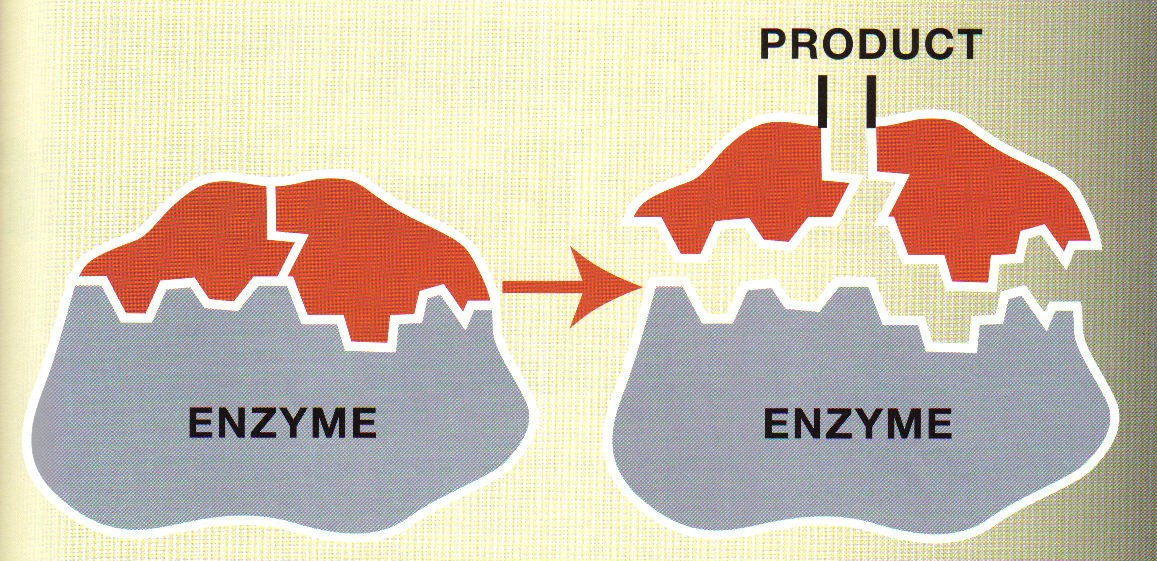
The area that the substrate fits into on the enzyme is called the:
a)
Active Site
b)
Allosteric Site
c)
DiSulphide Bridge
d)
β-Pleated Sheet
2.
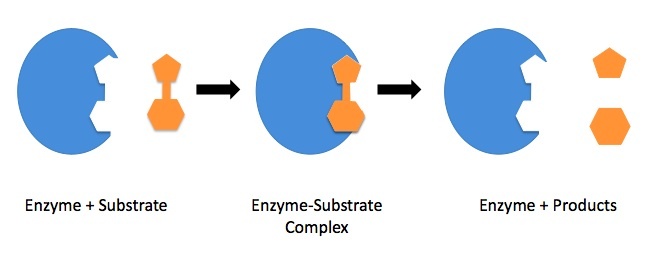
The current model of enzyme action is referred to as the:
a)
Induced Fit Model
b)
Lock & Key Model
c)
Singer-Nicolson Model
d)
Davson-Danielli Model
3.
Enzymes catalyze reactions by ___________ Activation Energy.
a)
Increasing
b)
Decreasing
4.
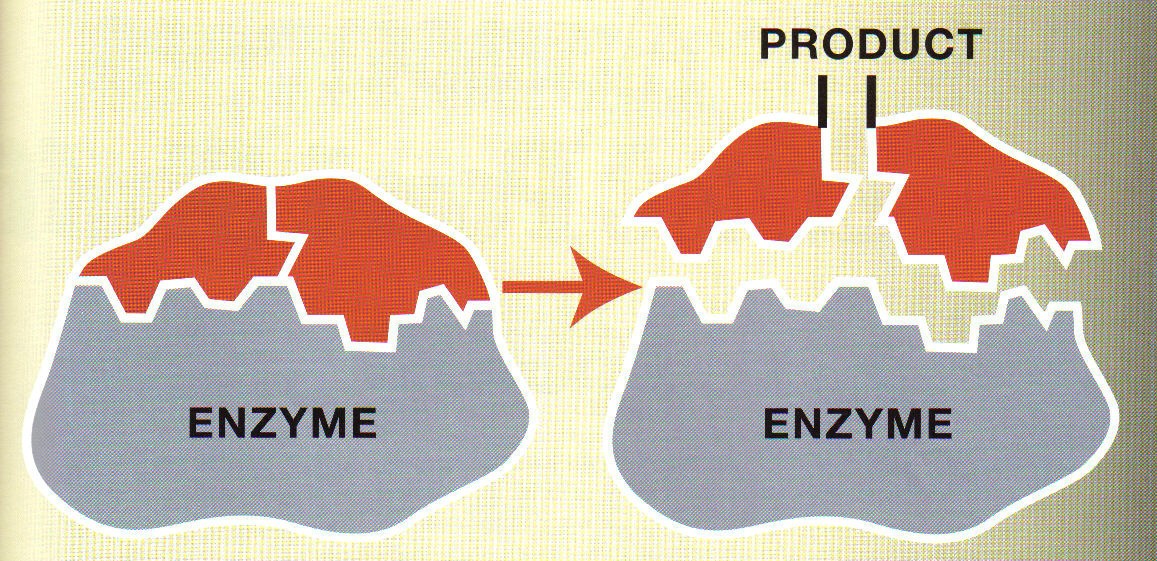
Enzymes speed up reaction rates by changing:
a)
Activation Energy
b)
pH
c)
Hydrogen Bonds
d)
Kinetic Energy
5.
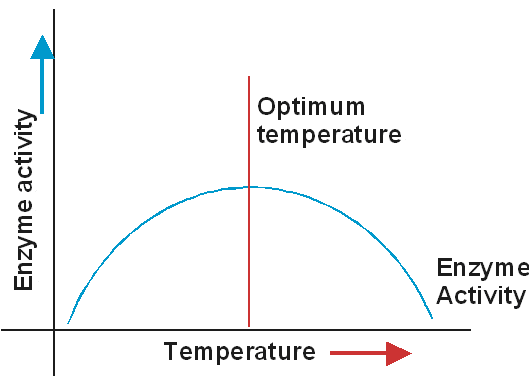
At high temperatures enzyme activity declines because of:
a)
Denaturation
b)
Decreased Kinetic Motion
c)
Increased H-Bonding
d)
Dissociation of Ionic Compounds
6.
At low temperatures enzyme activity declines because of:
a)
Denaturation
b)
Decreased Kinetic Motion
c)
Increased H-Bonding
d)
Dissociation of Ionic Compounds
7.
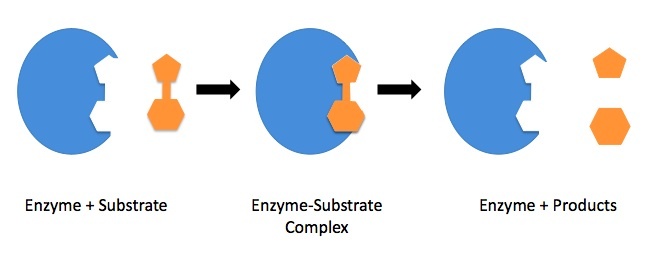
Most enzymes have the ending:
a)
-ase
b)
-ose
c)
-ic acid
d)
-ate
8.
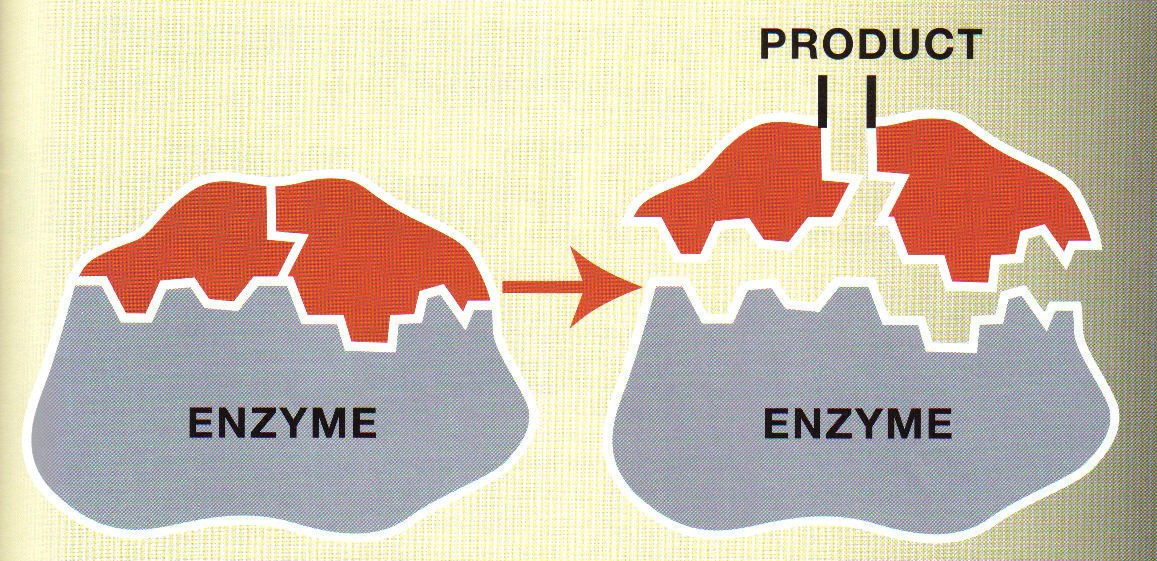
The molecule an enzyme is working on is called the:
a)
Substrate
b)
Solvent
c)
Allosteric Inhibitor
d)
CoEnzyme
9.
A reaction where electrons are moved around is a:
a)
Neutralization
b)
Hydrolysis
c)
RedOx Reaction
d)
Phosphorylation
10.
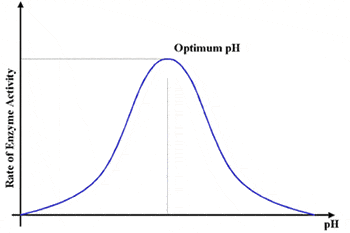
Which explanation best fits the graph for pH's effect on an enzyme?
a)
As the pH gets closer to neutral more H-Bonds are broken
b)
Larger numbers of H+ & OH- ions distort the active site
c)
There are more collisions between substrates and active sites near the optimal pH
d)
Low pHs cause more H-Bonds to happen near the active site
11.
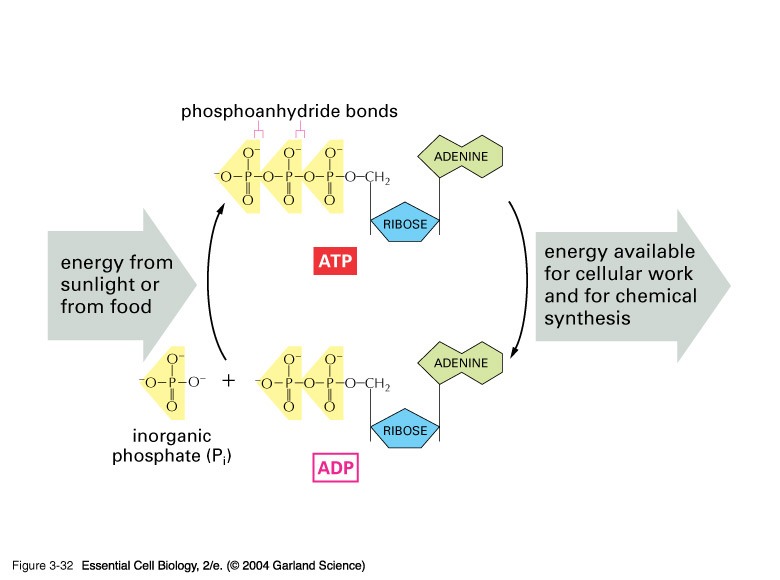
What enzyme is likely to catalyze this reaction?
a)
Kinase
b)
OxidoReductase
c)
Isomerase
d)
Transferase
12.
Enzymes are considered to be
a)
Lipids
b)
Carbohydrate
c)
Protein
d)
Nucleic Acid
13.
What is the purpose of an enzyme?
a)
give permission for the reaction
b)
raise activation energy
c)
speed up reactions
d)
control how many reactions occur
14.
Where do substrates bind on an enzyme?
a)
voltage-gated channels
b)
surface receptor
c)
calcium channels
d)
active site
15.
How do enzymes increase the speed of chemical reactions?
a)
reducing the number of products
b)
reducing the activation energy
c)
increasing the temperature of the cell
d)
increasing the concentration of reactants
16.
What is a substance called if it speeds up a chemical reaction?
a)
reusable
b)
catalyst
c)
specific
d)
fragile
17.
What is the name for the mechanism of enzyme activity?
a)
Lock and key
b)
jigsaw puzzle
c)
hammer and nail
d)
two hands pattern
18.
Any substance that is acted upon by an enzyme is called a(n)?
a)
Coenzyme
b)
Substrate
c)
Vitamin
d)
Polypeptide
19.
After the enzyme and substrate bind together and perform the reaction, what does the substrate become?
a)
a substrate
b)
an enzyme
c)
a product
d)
an active site
20.
can a change in pH alter the active site of an enzyme
a)
yes
b)
no
21.
What happens when enzymes are heated to a high temperature?
a)
The enzymes die.
b)
The shapes of the enzyme are altered or denatured
c)
The enzymes' amino acid sequence changes.
d)
The enzymes remain the same
22.
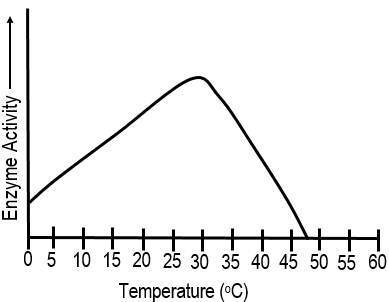
Based on the graph, what temperature does this enzyme work best?
a)
15 C
b)
40 C
c)
30 C
d)
47 C
23.
What are the enzymes called when they are at low temperature?
a)
denatured
b)
Killed
c)
inactive
d)
normal
24.

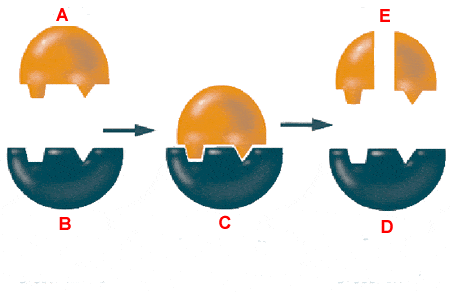
Letter D...
a)
active site
b)
enzyme
c)
substrate
d)
products
25.

Letter B...
a)
active site
b)
enzyme
c)
substrate
d)
products
26.

Letter C...
a)
active site
b)
enzymes
c)
substrate
d)
products
27.

Letter E...
a)
active site
b)
enzyme
c)
substrate
d)
products
28.
What is the function of an enzyme?
a)
enzymes break themselves into small pieces
b)
they slow down chemical reactions
c)
they speed up chemical reactions
d)
enzymes combine products to form reactants
29.
What happens when enzymes are heated to a high temperature?
a)
The enzymes die.
b)
The shapes of the enzyme are altered or denatured
c)
The enzymes' amino acid sequence changes.
d)
The enzymes remain the same
30.

Which of the following conclusions can be drawn from this graph?
a)
The optimum pH of the enzyme is 6.6.
b)
The optimum pH of the enzyme is 5.8
c)
The enzyme’s activity increases as pH increases 5.0 to 9.0
d)
The enzyme’s activity is greater around pH of 8.0 .
31.
Enzymes are composed of which of the following monomers?
a)
amino acids
b)
carbohydrates
c)
nucleotides
d)
monosaccharides
32.

The graph shows how enzymes affect reactions in cells. Which statement best summarizes the information shown in the graph?
a)
Enzymes increase the energy of the reactants.
b)
Enzymes decrease the energy level of the products.
c)
Enzyme decrease the activation energy of the reaction.
d)
Enzymes reverse the direction of the reaction.
33.
Which of the following are true about enzymes? (Choose all that apply)
a)
Enzymes speed up chemical reactions.
b)
Enzymes react best at a specific temperature.
c)
Enzymes only control ONE type of reaction.
d)
Enzymes are made of fatty acids.
34.
What is another name for enzymes?
a)
chemical catalysts
b)
microorganisms
c)
biological catalysts
d)
inorganic catalysts
35.
The "lock and key hypothesis" attempts to explain the mechanism of?
a)
Vacuole formation
b)
Pinocytosis
c)
Sharing of electrons
d)
Enzyme specificity
36.
What is a Cataylst?
a)
A substance that speeds up a rate of chemical reaction.
b)
Molecules that make enzymes work harder and faster
c)
reaction of an enzyme
d)
A substance that slows down a rate of chemical reaction.
37.

What is indicated by letter A?
a)
enzyme
b)
product
c)
substrate
d)
active site
38.
Which 2 factors can affect the rate of enzyme activity?
a)
Light intensity
b)
Temperature
c)
pH
d)
Oxygen concentration
100 %

