
Font size
 Worksheets
Y7 Chemical Reactions
Total questions: 33
Worksheet time: 21mins
A candle burning is an example of a _________________________
physical reaction
condensation
neutrons
chemical reaction
What indicates a chemical reaction occurred?
heat or light is released
gas (bubbles) produced
color change
all of the above
How is a chemical change different from a physical change?
there is no difference
a physical change creates a new substance
a chemical change results in a new substance
Which of the following IS a physical change?
Getting a haircut
Iron going rusty
A compound forming
Milk going sour
Which of the following is evidence of a chemical reaction?
bubbles being produced
water changing to ice
saltwater
paper being cut in half

a copper penny turning greenish after a few years is a...
Chemical Change
Physical Change
A substance that is formed when two or more elements are chemically joined during a chemical reaction is a(n)...
Product
Compound
Molecule
Atom
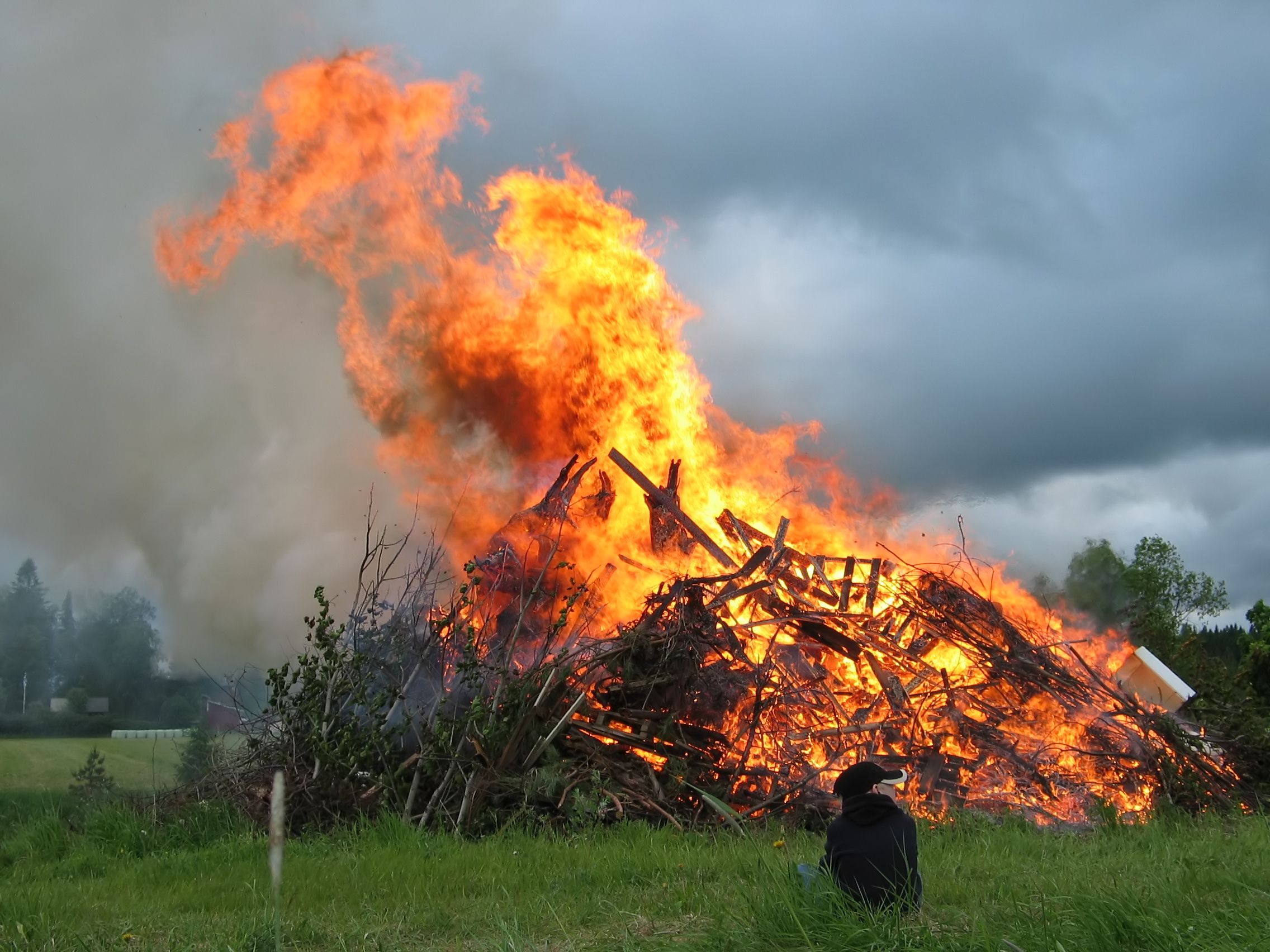
The best test for oxygen is that
it relights a glowing splint
it relights a burning splint
it changes lime water to milky
it makes a glowing splint go out
Carbon dioxide can be tested by using
a glowing splint
a burning splint
universal indicator
lime water

Heating a substance to break it down into two or more types of substance is known as
thermal decomposition
chemical induction
composting
heat manipulation
Water can be split into two elements when electricity is passed through it. These are:
hydrogen and oxygen
hydrogen and carbon
oxygen and carbon
carbon, hydrogen and oxygen
A catalyst...
is a chemical cat
speeds up a reaction but is not used in the reaction
is a list of your favourite feline friends
slows down chemical reactions
When copper sulfate is dry it is called
squidgy copper sulfate
hydrated copper sulfate
anhydrous copper sulfate
superdry copper sulfate
When anhydrous copper sulfate comes into contact with water, it goes from white to...
pink
blue
green
grey
Cobalt chloride paper is useful for testing for water. When it is dry it is...
purple with yellow spots
white
pink
blue
When cobalt chloride paper comes into contact with water, it turns from blue to...
red
green
turquoise
pink
Carbon is an example of an
element
compound
molecule
water is an example of a(n)
element
compound
atom
There are approximately ______ elements in the periodic table
4
10
40
100
A chemical reaction could be identified by
a colour change
melting
evaporation
A chemical reaction could be identified by
bubbles being produced
melting
evaporation
condensation
A chemical reaction could be identified by
heat being given off
melting
evaporation
condensation
An element is:
carbon
water
carbon dioxide
methane
An element is:
copper sulfate
water
hydrogen
methane
An element is:
copper sulfate
water
oxygen
methane
A compound is:
CH4
O
H
Fe
A compound is:
H2O
O
H
Fe
A compound is:
Copper sulfate
Oxygen
Hydrogen
Iron
A compound is:
Copper
Oxygen
Hydrogen sulfide
Iron

