
 Worksheets
5th grade weather
Total questions: 38
Worksheet time: 3600secs
After a rain, a puddle of water remains on a sidewalk. After a day of sunshine, the puddle is gone. Which process is most responsible for the disappearance of the puddle?
Precipitation
Evaporation
Transpiration
Condensation
The weather forecast indicates that a warm front will be moving into the area in the next 24 hours. What type of weather will most likely result?
Cloudy skies and rainy weather
Heavy snow and ice
Clear skies and cold temperatures
Clear skies and hot temperatures
One morning, Jane notices drops of water on the outside of a window. Later in the day, she notices that the drops have disappeared. What most likely caused the drops to disappear?
The water condensed on the plants around the house
The water cooled enough to turn into water vapor
Wind blowing on the window turned the water into vapor
Energy from the sun caused the water to evaporate
What must occur before clouds can form?
Water vapor most lose heat energy
Water vapor must get warmer
Precipitation must begin to fall and runoff
Transpiration must add water vapor to the atmosphere
Which is the best explanation for how air masses move across the United States?
The jet stream moves air masses from the Pacific Ocean across the United States
The trade winds move air masses from west to east across the United States
The warm air of the Gulf Stream causes air masses to move from the Atlantic Ocean to the Pacific Ocean
The prevailing westerlies move air masses from west to east across the United States but may be deflected by the jet stream
Which will most likely result from a low pressure weather system?
Warm temperatures
Cloudy conditions
Cool temperatures
Clear conditions

Which is the best explanation for how air masses move across the United States?
The jet stream moves air masses from the Pacific Ocean across the United States
The trade winds move air masses from west to east across the United States
The warm air of the Gulf Stream causes air masses to move from the Atlantic Ocean to the Pacific Ocean
The prevailing westerlies move air masses from west to east across the United States but may be deflected by the jet stream
The forecaster predicting the weather for an area would find which of the following MOST helpful?
Average yearly precipitation
Today’s barometric pressure
Temperature changes in one month
How often natural disasters occur
The amount of moisture in the air is called:
Barometric pressure
Wind
Temperature
Humidity
When Andy talked to his cousin, who lives in Ohio, he said it was raining. It was snowing at Andy’s house in Pennsylvania. What is the MAIN difference in the weather in the two locations?
air pressure
temperature
humidity
wind speed
Suppose you take a vacation to a place located 10degrees North of the equator. Which activity would MOST likely be available in your location?
Cross-country skiing
Snowboarding
Ice fishing
Scuba diving
Tropical, temperate, and polar are terms that describe climate zones due to
Rainfall amount
Latitude
Temperature
Snowfall amount
What type of severe weather would MOST likely cause you and your family to follow your evacuation plan?
Thunderstorm
Hurricane
Volcanic eruption
Ice storm
The weight of the atmosphere pressing down on earth
prevailing winds
precipitation
air pressure
water cycle
Which layer of air is closest to Earth and the one where most weather occurs?
hydrosphere
atmosphere
stratosphere
troposphere
A large body of air that has the same temperature and humidity throughout.
air mass
air pressure
transpiration
The border between 2 air masses.
front
troposphere
precipitation
Where do MARITIME air masses form?
Over water
Over land
Where do CONTINENTAL air masses form?
Over water
Over land
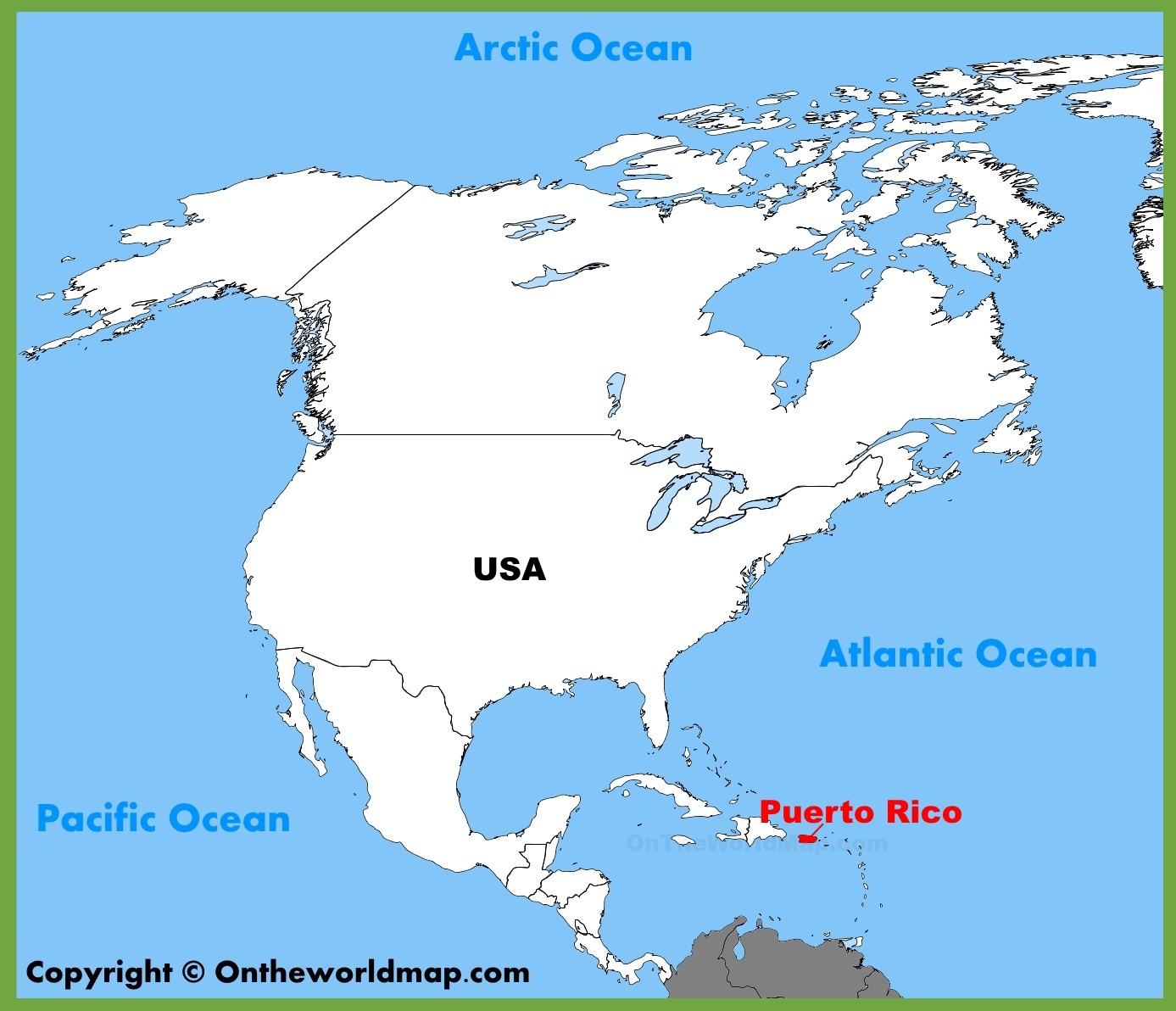
What type of air mass is found over PUERTO RICO?
Maritime Polar
Maritime Tropical
Continental Polar
Continental Tropical
What has the greatest affect on humidity?
air pressure
air temperature
local winds
What causes prevailing winds to move in a curved path?
Earth's seasons
Earth's rotation on its axis
Earth's mountains
Fortnight
Part of the water cycle that send water back to the ocean
evaporation
condensation
run-off

