
 Worksheets
Evolution and the History of Life
Total questions: 28
Worksheet time: 33mins
According to endosymbiotic theory, the nucleus of eukaryotic cells:
Came about due to the DNA coiling and the edges hardening for protection.
Was formed by folding of the membrane of a prokaryotic cell.
Was formed by a different mechanism to the above three.
Was another aerobic prokaryotic cell which was swallowed and lived in symbiosis with the first.
The accumulation of heritable changes experienced by organisms and populations to adapt to variations in the environment and survive is known as:
None of the above.
Speciation.
Biodiversity.
Adaptation.
Knowledge of which genetic processes made significant contributions to Darwinism?
None of the above.
Genetic recombination and mutation.
Natural selection and crossbreeding.
Crossovers and mutations.
Among other adaptations, hominids have:
A large brain and robust teeth.
Small Teeth and a large brain.
Strong teeth and a similar brain to other vertebrates.
Relatively small teeth and brain.
Is defined as the mechanism that causes new species to appear and which causes existing species to divide into two or more new species
Speciation
Biodiversity
Adaptation
Paleontological evidence


Where are hereditary traits stored in all organisms?
In the blood
In the brain
In the DNA
In the heart

One female salmon can lay hundreds of eggs. Why doesn't the salmon population increase dramatically?
Salmon reproduce asexually
Most offspring do not grow up to reproduce
Salmon eggs don't hatch
Salmon are extinct

The male and female black widow spider look very different. However, we know they are the same species because:
They reproduce creating fertile offspring
They reproduce creating infertile offspring
They cannot reproduce
They are not the same species
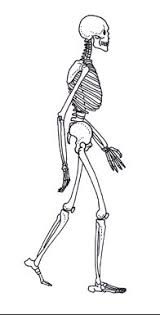
The ability to walk upright on two legs is called:
bipedalism
quadropedalism
bicyclepedalism
tripedalism
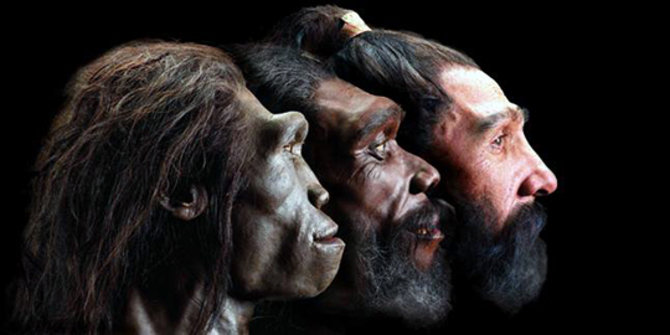
Modern humans and their closest relatives belong to the same family. Members of this family are called:
hominids
primates
homo sapiens
Lucy



In Pasteur's experiment, which of the flasks had broth that remained clear? (no bacterial growth)
Left flask
Right flask
Both flasks
Neither flask

