
 Worksheets
Yr 10 Alternative energy and components.
Total questions: 26
Worksheet time: 20mins
Name
Class
Date
1.

Which of the following is NOT an alternative energy source?
a)
fossil fuels
b)
geothermal
c)
hydroelectric
d)
wind
2.
Biofuel is...
a)
Energy that comes from harnessing the movement of the air
b)
Energy that comes from the Sun
c)
A source of non- renewable energy
d)
Fuel from plant material
3.
Hot water is pumped up from deep inside Earth and is used to heat homes or to generate electricity. This describes...
a)
biofuels
b)
hydroelectric energy
c)
geothermal energy
d)
hot water heating
4.
As water flows through a dam, a generator is turned and creates enough electricity for thousands of homes. This describes...
a)
biofuels
b)
hydroelectric energy
c)
geothermal energy.
d)
potential energy
5.
What are two advantages of geothermal energy?
a)
cheap and non-renewable
b)
expensive and heavy pollution
c)
cheap and little pollution
d)
cheap and does no harm to anything
6.
Generators are used to produce electricity from all of these sources EXCEPT _____.
a)
solar
b)
wind
c)
tidal
d)
nuclear
7.
One problem with ____ energy is that it produces radioactive waste.
a)
nuclear
b)
solar
c)
tidal
d)
geothermal
8.
Oil, natural gas and coal are called ________resources because they are not easy to replace.
a)
fossil fuels
b)
cheap
c)
natural resources
d)
nonrenewable
9.
Which of the following is a fossil fuel?
a)
Wind
b)
Coal
c)
Solar
d)
Biomass
10.

Which alternative energy source does this information describe?
a)
Hydroelectricity
b)
Solar energy
c)
Biofuels
d)
Wind
11.
Fossil fuels are a major source of air pollution and therefore, a major contributor to _____________________!
a)
ozone depletion
b)
global warming
c)
skin cancer
d)
none of the above
12.
Corn, wheat, and soybeans can be made into a substance called ethanol. In some places, ethanol is part of a mixture used to power cars and trucks. What type of alternative energy resource is ethanol?
a)
non-renewable
b)
Geothermal
c)
Biofuel
d)
Solar
13.

What is one of the biggest disadvantages to wind turbines?
a)
They're big
b)
They can interfere with bird migration
c)
They're expensive
d)
It takes a long time to put one up and then maintain it
14.

Why are fossil fuels more widely used than solar energy?
a)
Solar energy is harder to find
b)
Fossil fuels are much cheaper
c)
Fossil fuels are more abundant
d)
The sun's energy can never be harnessed
15.

The purpose of the panels is to change solar energy into ____________.
a)
light energy
b)
electrical energy
c)
chemical energy
d)
mechanical energy
16.

Biomass comes from
a)
Plants like corn
b)
Animal Fats
c)
Algae
d)
All of the above
17.
Which of the methods of generating electricity does NOT use alternative energy resources?
a)
Burning natural gas in a power plant
b)
Turbines spinning in dam
c)
Solar panels taking in light energy
d)
Drilling wells to reach hot rocks deep inside the earth
18.
Energy stored by plants hundreds of millions of years ago that are buried underground are the energy we find in...
a)
electricity
b)
fossil fuels
c)
natural gas
d)
geothermal
19.
Which of these is an alternative fuel source?
a)
coal
b)
oil
c)
gas
d)
hydrogen
20.
Which of these is a disadvantage of hydrogen fuel cells
a)
produces pollution
b)
expensive and flammable
c)
heavy and weak
d)
large and unattractive
21.

Which energy source is used in the following power plant?
a)
Nuclear power
b)
Tidal power
c)
Geothermal power
d)
Hydroelectric power
22.

Which energy source is used in the following power plant?
a)
Nuclear power
b)
Tidal power
c)
Geothermal power
d)
Hydroelectric power
23.

Which energy source is used in the following power plant?
a)
Biomass power
b)
Tidal power
c)
Solar power
d)
Hydroelectric power
24.
A problem with wind energy is that
a)
Birds and bats may be threatened
b)
Too much wind is produced
c)
it is nonrenewable
d)
not predictable
25.
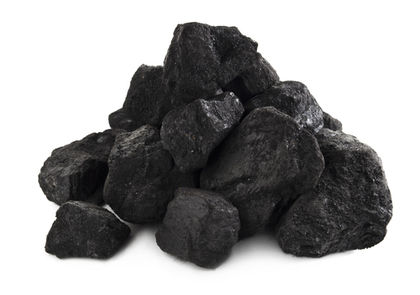
Coal is a __________ energy resource.
a)
Renewable
b)
Non-renewable
26.
Hot water is pumped up from deep inside Earth and is used to heat homes or to generate electricity. This describes...
a)
nuclear power
b)
hydroelectric power
c)
geothermal power
d)
tidal power
100 %

