wayground logo

Free Printable Worksheets

Font size

S
M
L
XL
Worksheets

G9 periodic table and trends

Total questions: 40

Worksheet time: 21mins

Name
Class
Date
1.

Each column in the periodic table is called a

a)

period

b)

group

c)

cluster

d)

unit

2.
The atomic number tells you what?
a)
number of electrons
b)
number of protons
c)
number of neutrons
d)
both electrons and protons in an atom.
3.
Which group of the periodic table is composed of inert (not reactive)  gases?
a)
alkali metals
b)
alkaline earth metals
c)
halogens
d)
noble gases
4.
Elements which are shiny, conduct electricity and heat are called
a)
metal
b)
nonmetal
c)
metalloid
d)
nonexistent
5.
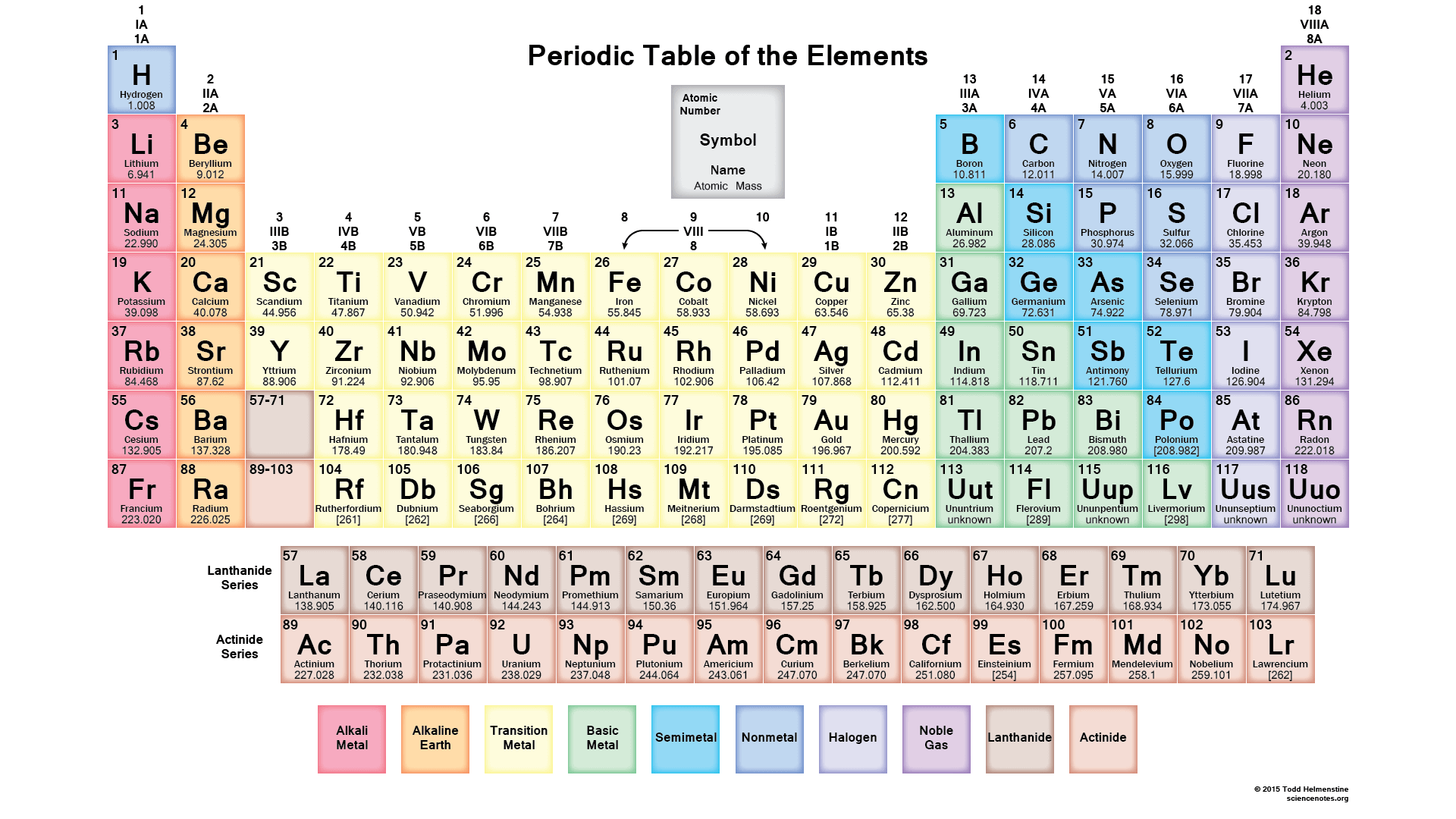
The atoms along the staircase are called 
a)
metals
b)
nonmetals
c)
metalloids
d)
noble gases
6.
How many neutrons are in a Gold atom?
a)
79
b)
196
c)
118
d)
275
7.
How many neutrons are in a Gold atom?
a)
79
b)
196
c)
118
d)
275
8.
How many neutrons are in a Gold atom?
a)
79
b)
196
c)
118
d)
275
9.
How many electrons does a Copper atom have?
a)
63
b)
29
c)
92
d)
34
10.
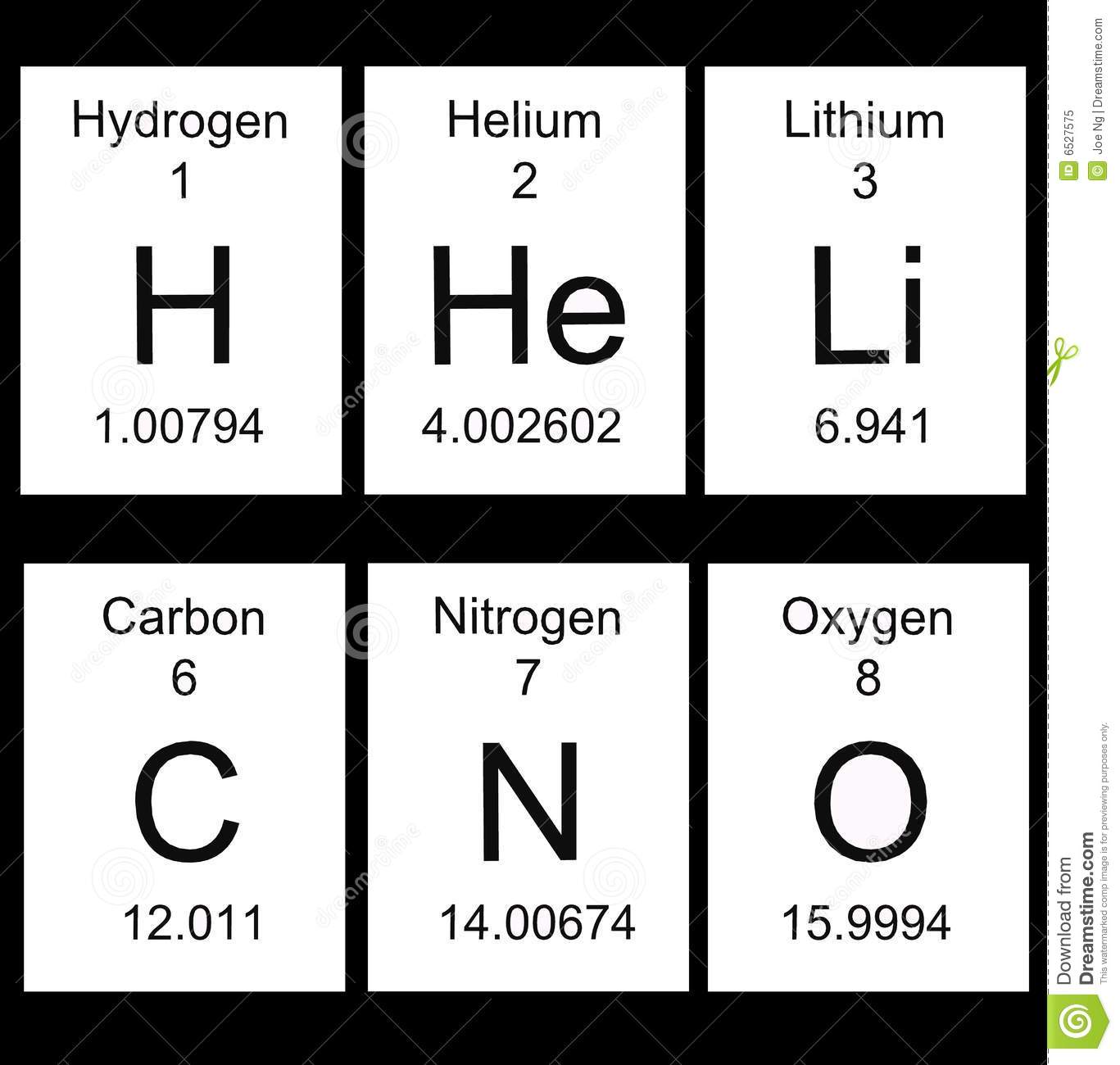
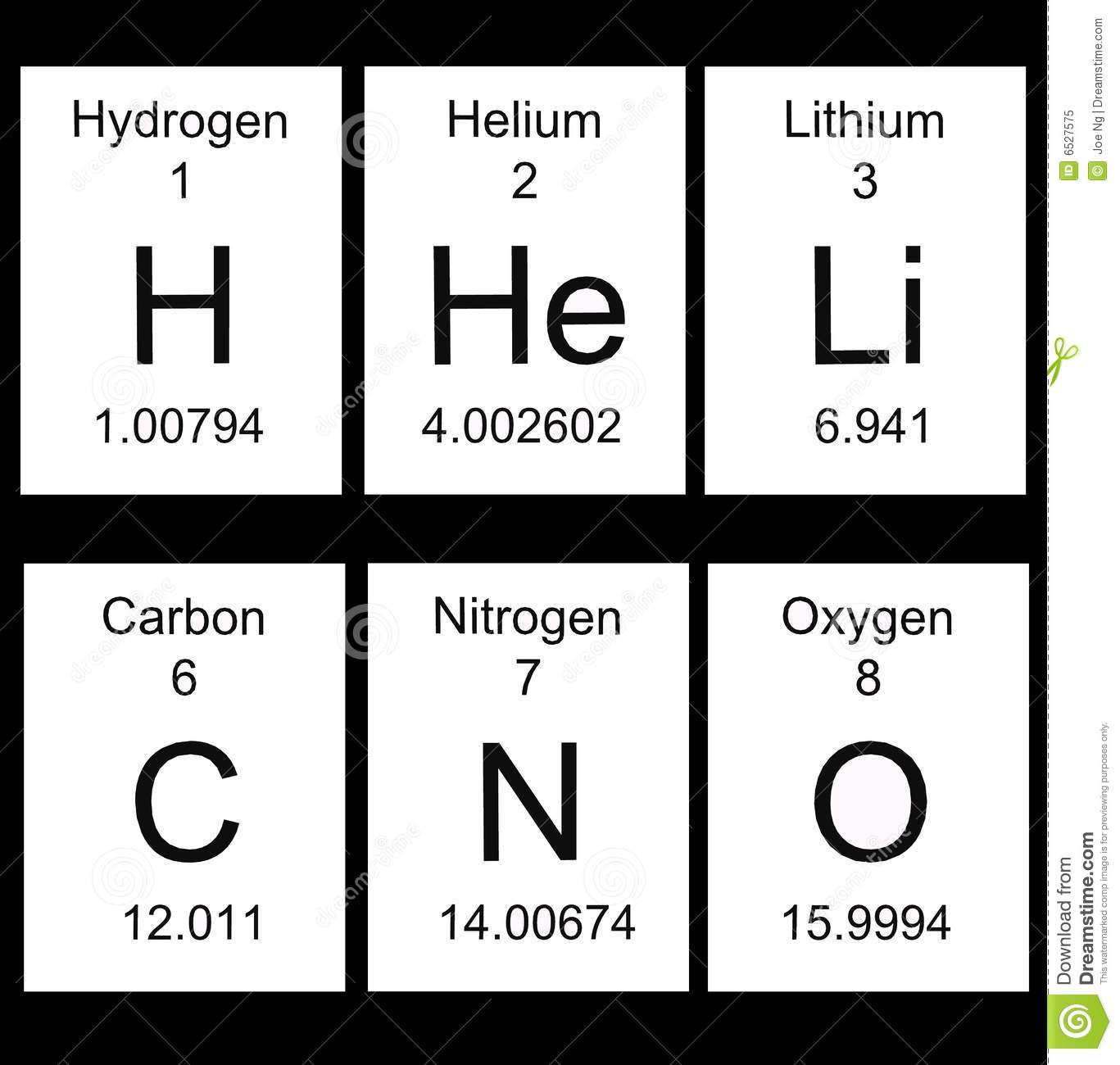
What does the 1.00794 stand for?
a)
Hydrogen
b)
atomic number
c)
atomic mass
d)
atomic explosion
11.
The positive particles of an atom are 
a)
electrons 
b)
positrons 
c)
neutrons 
d)
protons 
12.
Particles in an atom that are neutral and have no charge are 
a)
negatrons 
b)
electrons 
c)
neutrons 
d)
protons 
13.
The electrons of an atom are found...
a)
in the outer "cloud" surrounding the atom.
b)
in the nucleus of the atom.
c)
in the cloud and in the nucleus.
14.
The subatomic particle with a negative charge is the
a)
electron
b)
proton
c)
neutron
d)
nucleus 
15.
What is the atomic mass equal to?
a)
the number of protons
b)
the number of protons and neutrons
c)
the number of neutrons
d)
the number of protons and electrons
16.
In the modern periodic table elements are arranged by:
a)
atomic mass
b)
atomic number
c)
valence electrons
d)
number of isotopes
17.
The simplest substance is..?
a)
Carbon
b)
An element
c)
Water
d)
A simple compound 
18.
Sodium (Na) is found in period 
a)
3
b)
2
c)
4
d)
1
19.
Sodium (Na) is found in group 
a)
1
b)
2
c)
3
d)
4
20.
The number at the bottom of each square on the periodic table is the ...
a)
atomic number
b)
atomic mass
c)
chemical symbol
d)
element name
21.
The number at the top of each square on the periodic table is the ...
a)
atomic number
b)
atomic mass
c)
Chemical Symbol
d)
Element Name
22.
Pure forms of these elements are stored in oil so they won't react with oxygen and water in the air.
a)
Alkali Metals
b)
Alkaline-earth metals
c)
Halogens
d)
Noble Gases
23.
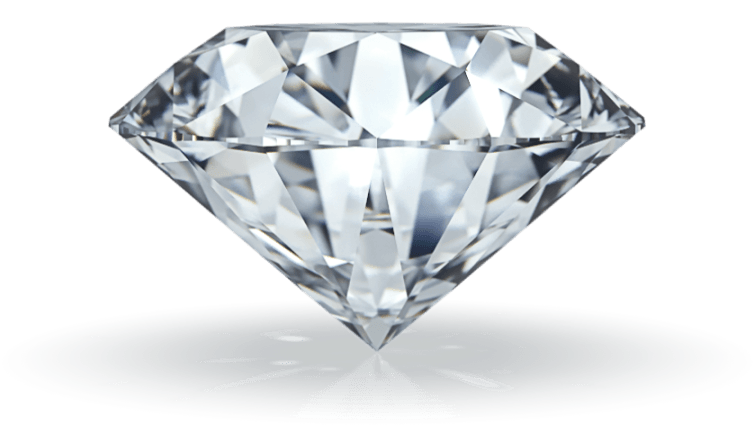
Diamonds are a pure form of what element?
a)
Carbon
b)
Oxygen
c)
Silicon
d)
Silver
24.
Most of the elements on the periodic table are classified as _____.
a)
Metals
b)
Nonmetals
c)
Metalloids
d)
Periods
25.

How many neutrons are in the average atom of Lithium?

a)

2

b)

3

c)

4

d)

7

e)

6.941

26.

How many protons are in the average atom of Lithium?

a)

2

b)

3

c)

4

d)

7

e)

6.941

27.

Where will you find alkali metals?

a)

red column (on left)

b)

yellow column (towards left)

c)

blue blocks (centre)

d)

purple column (towards right)

e)

green column (on right)

28.

Where will you find group 1 metals?

a)

red column (on left)

b)

yellow column (towards left)

c)

blue blocks (centre)

d)

purple column (towards right)

e)

green column (on right)

29.

Where will you find the alkali earth metals?

a)

red column (on left)

b)

yellow column (towards left)

c)

blue blocks (centre)

d)

purple column (towards right)

e)

green column (on right)

30.

Where will you find the transition metals?

a)

red column (on left)

b)

yellow column (towards left)

c)

blue blocks (centre)

d)

purple column (towards right)

e)

green column (on right)

31.

Where will you find the halogens?

a)

red column (on left)

b)

yellow column (towards left)

c)

blue blocks (centre)

d)

purple column (towards right)

e)

green column (on right)

32.

Where will you find the noble gasses?

a)

red column (on left)

b)

yellow column (towards left)

c)

blue blocks (centre)

d)

purple column (towards right)

e)

green column (on right)

33.

where are the most reactive metals?

a)

top of red column (on left)

b)

bottom of red column (on left)

c)

blue blocks (centre)

d)

top of purple column (towards right)

e)

bottom of purple column (towards right)

34.

where are the most reactive non-metals?

a)

top of red column (on left)

b)

bottom of red column (on left)

c)

blue blocks (centre)

d)

top of purple column (towards right)

e)

bottom of purple column (towards right)

35.

The periodic table's full name is the "Periodic Table of the ???????"

a)

compounds

b)

chemicals

c)

elements

d)

molecules

e)

atoms

36.

What is the simplest element?

a)

hydrogen

b)

helium

c)

carbon

d)

oxygen

e)

lithium

37.
How many elements are represented in the compound?
Na2CO3
a)
1
b)
2
c)
3
d)
4
38.

How many atoms are present in the compound?

Na2CO3

a)

1

b)

2

c)

3

d)

4

e)

6

39.

How many carbon atoms are present in the compound?

Na2CO3

a)

1

b)

2

c)

3

d)

4

e)

6

40.

How many sodium atoms are present in the compound?

Na2CO3

a)

1

b)

2

c)

3

d)

4

e)

6