
 Worksheets
Coal and Petroleum
Total questions: 40
Worksheet time: 23mins

Fossil fuels are a _______________________.
renewable resource
unknown resource
nonrenewable resource
new resource
Where is kerosene mainly used?
In laying down roads
As fuel in jet engines
In making water proof materials
In furnaces of industries
Which of the forms of coal has highest percentage of carbon?
Anthracite
Bituminous
Peat
Lignite
By which of the given processes is coal formed?
Carbonisation
Distillation
Vapourisation
Evaporation
Identify the fuel that leaves more smoke and ash on burning.
Solid fuel
Liquid fuels
Gaseous fuels
Any one of the above
Which coal produces the lowest amount of heat
Lignite
Peat
Anthracite
Bituminous Coal
Which among the following is the cleanest fuel
Coal
Petrol
Diesel
CNG
Ointments, candles,Vaseline etc. are made up of
Lubricating Oil
Petrol
LPG
Paraffin wax
A gas which is found along with petroleum
Carbon dioxide
Water gas
Natural gas
Producer gas
The first oil well was drilled in
USA
UK
India
Iran
Full form of LPG
Light petroleum gas
Liquified petroleum gas
Long pipe of gas
Long petroleum gas
Various material which are obtained from nature are called natural resources.Which of the following is not a natural resource
Minerals
Water
Soil
Plastic
Name the petroleum product used for surfacing of roads
Butane
Anthracite
Bitumen
Hydrocarbon
The main constituent of LPG is
methane
ethane
propane
butane
The chemical added to LPG to help detect its leakage is
isobutene
ethylamine
methyl mercaltan
ethyl mercaptan
Refining of petroleum is done in
Fractionating Column
Zone refining Column
Pronounce Column
None of these
excessive burning of fossil fuels release _______________ which traps __________________ in the atmosphere and causes ________________ .
oxygen , solar radiations , carbon dioxide
carbon dioxide , solar radiations , green house effect
carbon dioxide , solar energy , oxygen
oxygen , solar energy , greenhouse effect
green house effect , solar radiations , oxygen
PCRA stands for
Public Conservations Research Association
Petroleum Conservation Research Association
Public Council of Research Association
Partial Counting of remaining Amendment
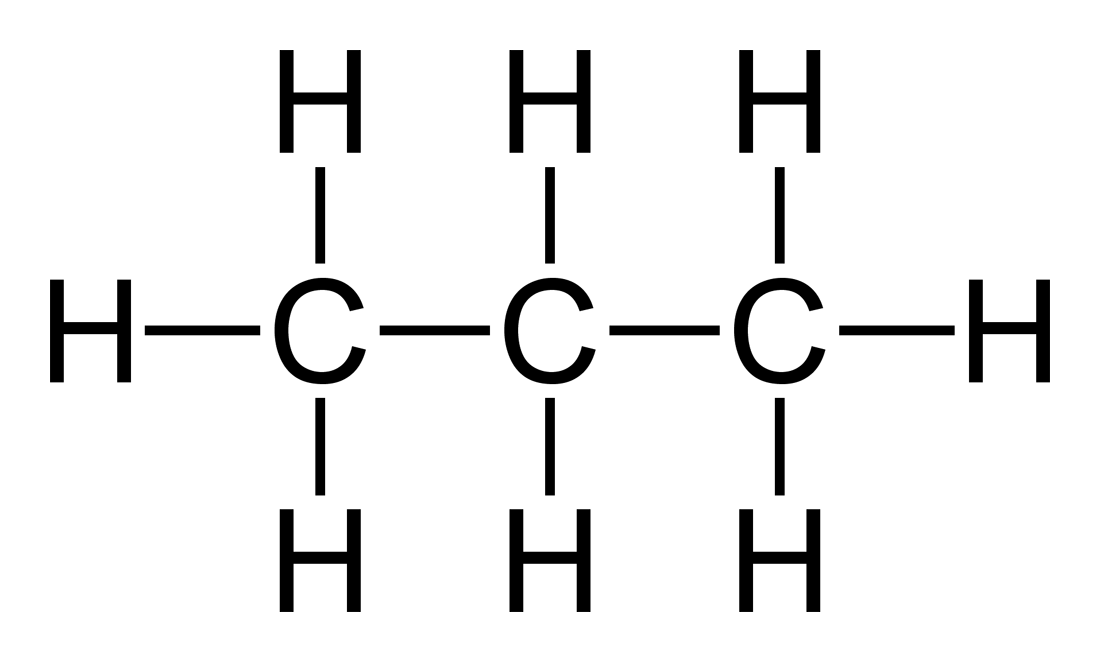
This prefix means 7
but
hept
hex
non
What is the general formula of the alkenes?
CnH2n+1
CnH2n+2
CnH2n
CnH2n+1OH
In complete combustion, the products are?
Carbon monoxide and water
Carbon dioxide and water
Carbon dioxide and carbon
Carbon and water
Where in the fractionating column are shorter chain hydrocarbon molecules obtained?
At the top
At the bottom
Fractional distillation separates crude oil based on the different __________ of the molecules in the mixture
melting point
boiling point
freezing point
chemical reactivity
Molecules collected at the bottom of the fractionating column tend to be...
more viscous, less flammable and less volatile
less viscous, more flammable and more volatile
more viscous, more flammable and less volatile
less viscous, less flammable and more volatile
Which 2 greenhouse gases contribute the MOST to global warming of Earth?
N2O and H2O
O3 and H2O
CO2 and CH4
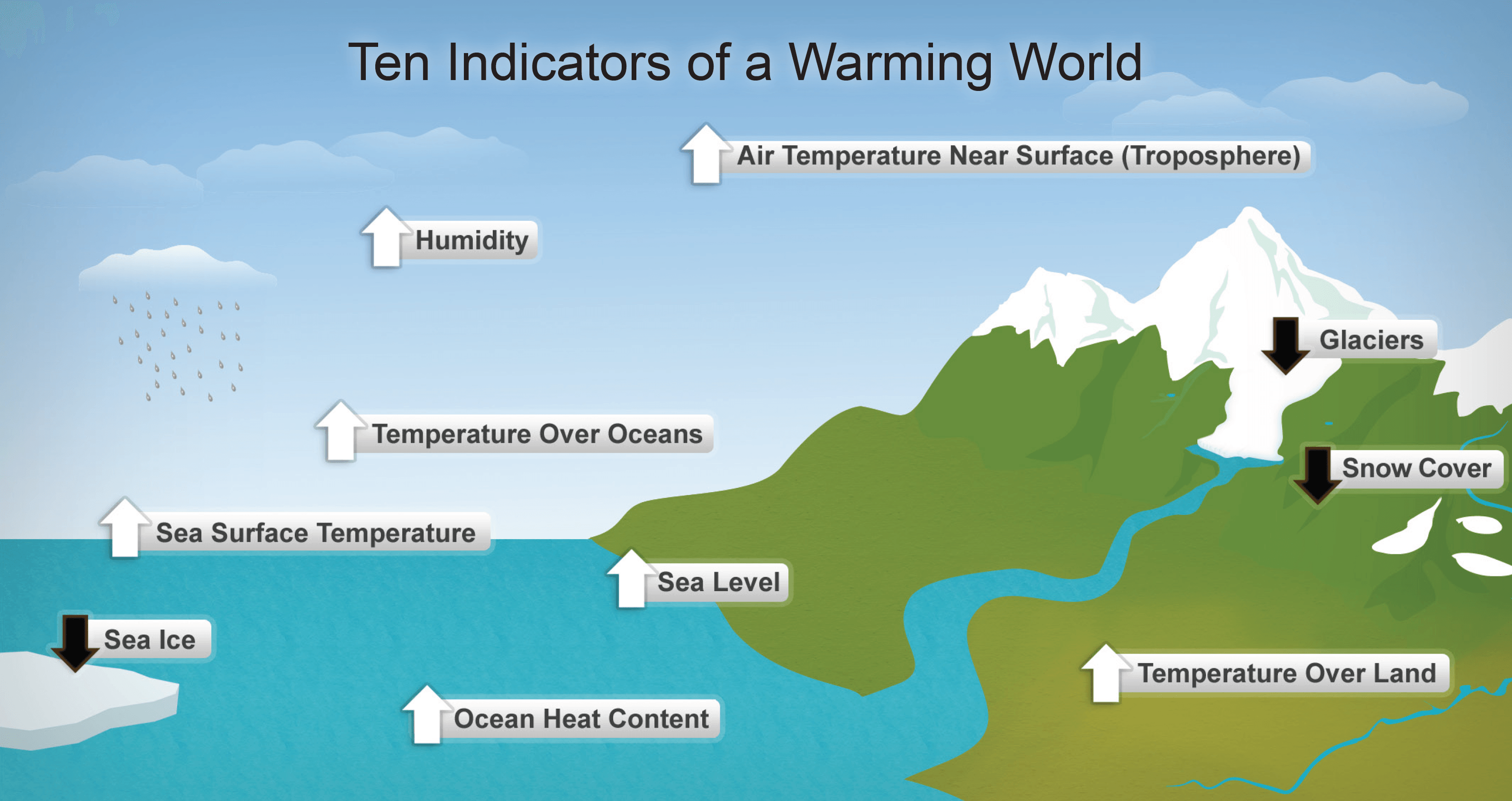
______________ ______________ is produced when fuels containing sulfur are burned in the presence of oxygen.
Carbon dioxide
Sulfur dioxide
Carbon monoxide
Greenhouse gas
What type of rock is coal categorized as?
Sedimentary
Igneous
Metamorphic

