
 Worksheets
Hygiene & Safety
Total questions: 40
Worksheet time: 20mins
1. Keep your nails
Neatly painted with nail varnish
Short, neat and clean
Long and dirty
What is the best reason for not wearing jewellery when handling food?
It might get damaged
It could fall into and contaminate food
It will get in the way
It doesn't create a good image

Always wash your hands...
Before and after touching food , after touching refuse, using the toilet, coughing or sneezing, and after blowing your nose
Once a day at least
after handling fresh food only
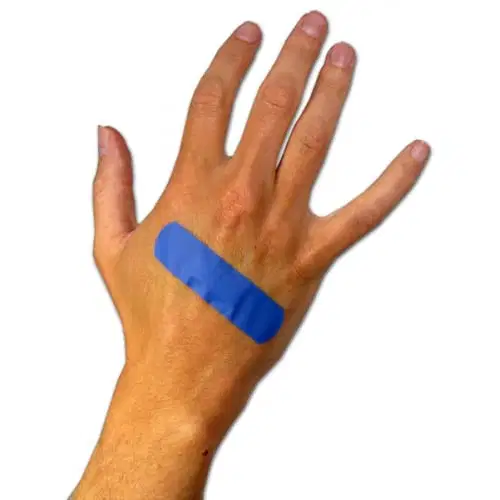
Why should you use a blue waterproof dressing to cover a cut?
They don’t need to be changed as often as fabric ones
If they fall off, they can easily be seen
They stop food from becoming contaminated
To clean effectively use
A standard cloth and water
A variety of cleaning chemicals
Sunlight soap and a sponge
A detergent is used to
help dissolve grease and remove dirt
make dishes sparkle
make your hand soft
A sanitizer
keeps the chef sane
combines a detergent and a disinfectant
does not clean off grease and dirt, it is used after cleaning
A disinfectant...
can be used to clarify stock
cleans off grease and dirt
is used to remove stubborn grease and dirt
keeps levels of bacteria to a safe, low level
Which one of the following should be used in cleaning high-risk food production surfaces?
Detergent
Liquid soap
Salt
Santisers
Ambient means
below zero
chilled
room temperature
danger zone
The temperature of chilled food is
1˚C to 5˚C
0˚C to -5˚C
5˚C to 10˚C
0˚C to -18˚C
What does FIFO stand for?
Food Is For Optimism
Fine Instant Food Opportunities
First In First Out
Finding Is First Option
To chill a large pan of Bolognese sauce quickly
Put it in the fridge or freezer
Leave it outside uncovered
Divide it into smaller quantities to allow to cool quickly
Leave out over night
High risk foods are high in
fat
protein
starch
sugar
In order to defrost food safely, you must
Leave in fridge to defrost slowly
Put in hot water
Leave in the sun
Leave out for at room temperature for over 90 minutes
Its the law - chilled food must be kept below
5˚C
8˚C
0˚c
-18˚c
There are 4 main classes of pests
Crawling insects, fish, rodents and birds
Rodents, insects, stored product pests, birds
Insects, mammals, fish, humans
Insects, birds, humans, rodents
Contamination is
The deterioration of food
Is a harmless bacteria
The presence of food poisoning bacteria
A Pathogen
A contaminant is
Any substance or object that makes food harmful
A McDonalds mega meal patty
Name of a bacteria
A spore
Pathogenic means
Helpful bacteria
Harmful bacteria
Happy bacteria
Hurtful bacteria
A toxin is
A energy drink
A medicine
A poison
A bacteria
A spore is...
A part of a germ
A type of knife
A type of pest
A protective coating for bacteria to enables them to withstand harmful conditions
Cross contamination is
When raw and cooked food are bought at the same shop
When you eat cheese and biscuits
When bacteria are transferred from a contaminated source to a ready-to-eat food
When bacteria are not destroyed in cooking
Contamination can be
Physical, chemical or biological
Bacteria, germs and saliva
Hair, nails, soap
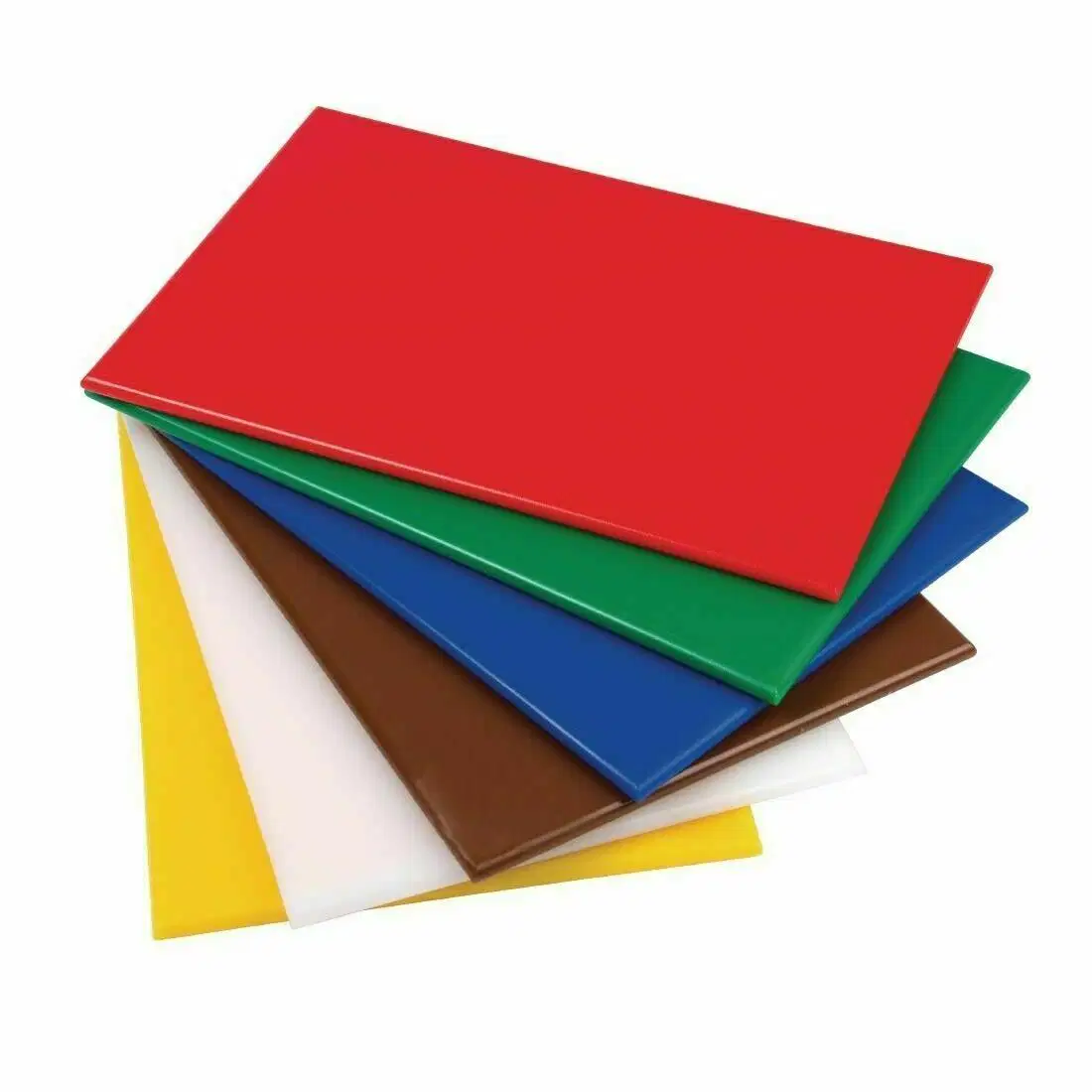
To prevent cross-contamination the correct colour boards must be used
Red- cooked meat, blue – vegetables, brown – raw fish
Yellow- raw meat, green – salad & fruit, white – dairy
Red – raw meat, blue – raw fish, brown – vegetables
Red – meat, white – bread & dairy, green – vegetables & salad
Which one of the following is the most common cause of food poisoning?
Parasites
Chemicals
Cross Contamination
Toxins
1. Clostridium Botulinum is found in
Eggs and Chicken
Left over stews & casseroles if not heated correctly
Rice
Kidney beans
Ecoli can cause
kidney failure
Head aches
Pimples
Blindness
Salmonella is
a rare bacteria
the most commonly known bacteria
develops spores so survives high temperatures
causes kidney failure
1. Bacillus cereus is found in
rice
pasta
fruit
soil
When you reheat food make sure the core temperature is
60°C for 30 seconds
75°C for 15 seconds
90°C for 2 minutes
70˚C for 30 seconds
Bacteria found on skin, up noses, down throats and in ears is called
Listeria
Clostridium perfringenes
Staphylococcus aureus
Ecoli
Soft cheese and patѐ carry the bacteria
Ecoli
Listeria
Salmonella
Clostridium perfringenes
Bacteria are the most active when in the ‘danger zone’. Between what temperatures does this occur?
5˚C – 70˚C
3˚C – 63˚C
5˚C – 63˚C
8˚C – 65˚C
The typical symptoms of Staphylococcus aureus are
Stomach ache or cramp, vomiting and a low temperature
Stomach ache, diarrhoea, vomiting and a fever
Stomach ache, fever, diarrhoea, vomiting, kidney damage or failure
Stomach ache and diarrhoea
People who have Coeliac disease are allergic to
Eggs
Nuts
Shellfish
Gluten
People who are allergic to shellfish need to avoid all types, including
Prawns, crab, mussels and oysters.
Hake, Sole, Kingklip
Tuna, Yellowtail, John Dory
Fish fingers and scampi
Sesame paste (tahini) is used in the dip...
Hummus
Guacamole
Salsa
Nutella
1. Ground almonds are used in
Fudge
Marzipan
Nougat
Turkish Delight
Raw eggs are served in
salad dressings and mousses
Quiches & tartlets
Omelets, potato salad
Custard

