
 Worksheets
Music 110 Music Middle Ages Fall 21
Total questions: 16
Worksheet time: 8mins
The phrase Middle Ages refers to the period...
450-1000
1000-1150
1150-1450
450-1450
During the Middle Ages, what institution was the center of musical life?
The church
The castle
The merchant's living room
The king's court
Gregorian chant or Plainchant _______.
is monophonic and set to sacred Latin texts
retained some elements of the Jewish synagogue of the first centuries after Christ
was the official music of the Roman Catholic church for more than 1,000 years
All answers are correct.
Who was Hildegard of Bingen?
The first woman composer to leave a large number of works that have survived
Abbess (nun) of the convent at Rupertsberg
A visionary and mystic active in religious and diplomatic affairs
All answers re correct.
_________ lived in Southern France and wrote poems in the Provençal language; while _________ flourished in Northern France and wrote in Old French.
troubadours; trouvères
trouvères; roubadours
troubadours; jongleurs
troubadours; jongleurs
The wandering minstrels, or jongleurs, of the Middle Ages ______.
entertained in castles, taverns, and town squares
Provided news and current events
played instrumental dances on harps, fiddles, and lutes
All answers are correct.
An estampie is a medieval ______.
dance
stringed instrument
secular song form
song of worship
The earliest known composers to write music with measured rhythm were ______.
Pope Gregory and Chastelain de Couci
Machaut and Josquin
Leonin and Perotin
All answers are correct.
The first know polyphonic treatment of the Catholic Mass (Notre Dame mass) was composed by
Guillaume de Machaut
Perotin
Leonin
Pope Gregory I
In medieval times, most polyphonic music was created by ______.
placing new independent melodic lines against known chants
harmonizing melodies with chords
having some singers embellish the sermon during church services
adding orchestral instruments to church music
The first steps in a revolution that eventually transformed western music began sometime between 700 and 900 with the ______.
addition of a second melodic line to Gregorian chant called organum
addition of an organ accompaniment
transcription of the music for several different instruments
addition of chords to the melody line
A famous French woman troubadour was ______.
Hildegard of Bingen
Frauenlob
Péronne d'Armentières
Beatriz, Countess of Dia
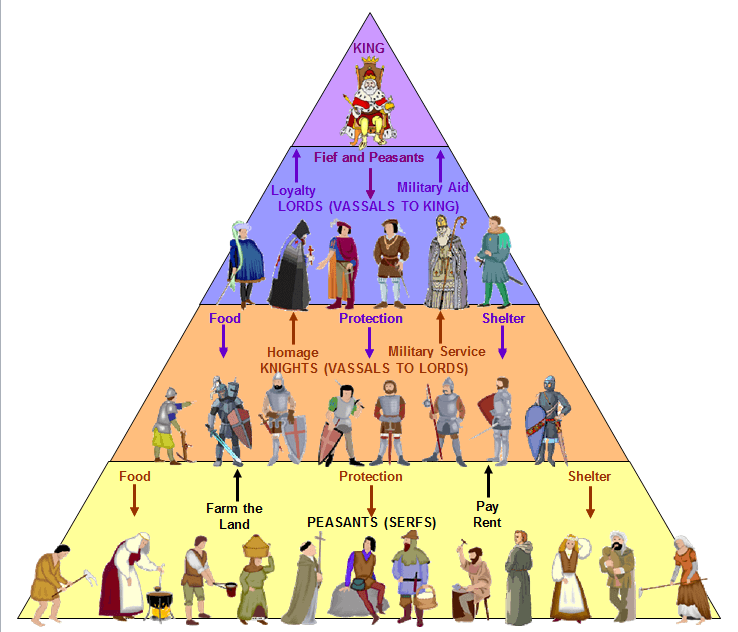
Nobility were the...
poor farmers
priests
rich landowners
monks
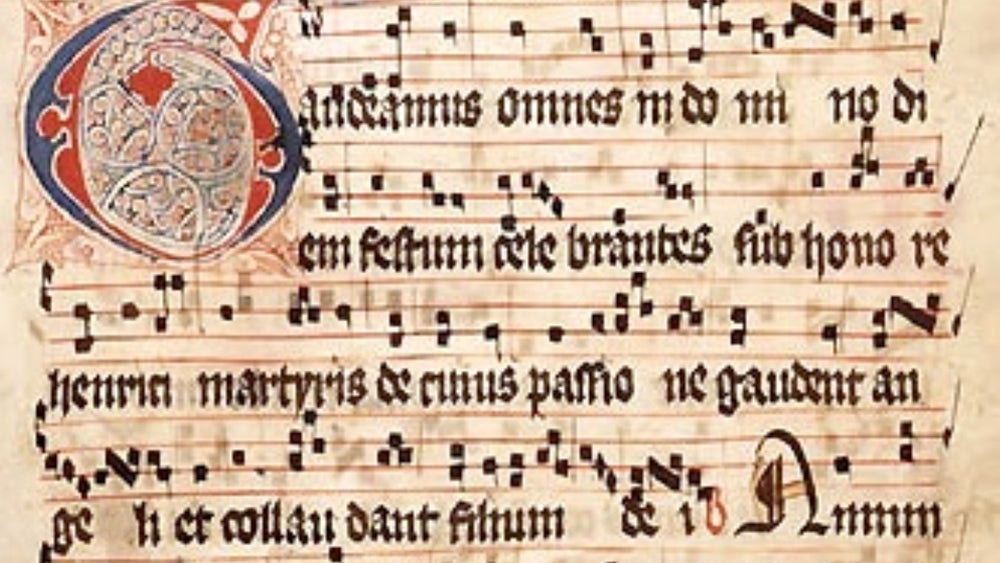
What is sacred music?
religious
secular
non-religious
rock'n'roll
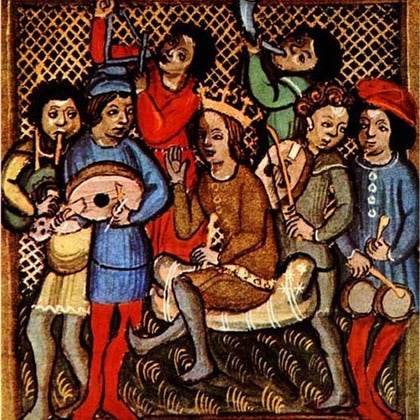
What is secular music?
religious music
non-religious music
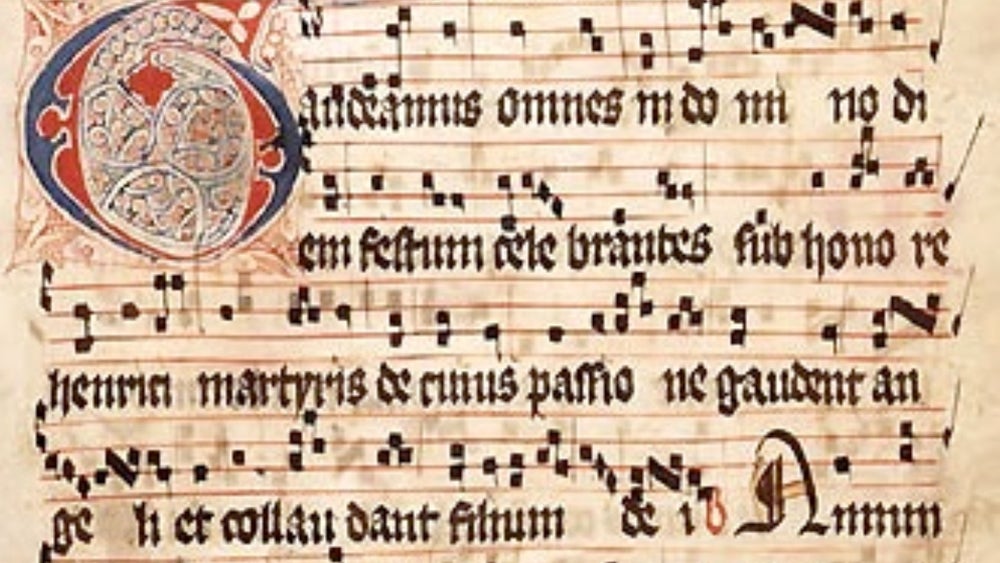
Sacred monophonic music in the Middle Ages was called...
plainchant
Cantiga
jongleurs
troubadours

