
 Worksheets
PAP WG Unit 6 Europe Review Game
Total questions: 69
Worksheet time: 45mins
Two nations that have split into smaller countries are the Soviet Union and...
France
Spain
United Kingdom
Yugoslavia

Which mountain range is located between France and Spain?
Alps
Urals
Andes
Pyrenees
The first two areas in Europe to have democracy were...
Greece and Rome
Greece and Spain
Greece and Yugoslavia
Switzerland and Rome
Why was Caesar assassinated?
The senators believed he had too much power.
The people were tired of taxed and wars.
The people wanted to vote him out but the election was fixed
He did not conquer Gaul
Modern historians are able to understand that...
The past was perfect
They are smarter than all the other historians that came before
Roman civilization was better than any other
Rome was corrupt as well as accomplished.
a common currency (money) used by several EU
Euro
Pound
Dollar
Franc
What three criteria must a country meet in order to join the European Union (EU)?
stable economy, democratic government, government protections for minority populations
stable economy, stable government, government protections for minority populations
stable economy, democratic government, use of the euro
stable economy, government protections for minority populations, use of the euro
What is the advantage of participating in the European Union (EU)?
Eliminated tariffs and increase of free trade
Low tariffs and no embargos
High tariffs and no free trade
Embargoes, tariffs, and quotas
Think about the Nordic Economic/Social model. True or False: There is a large disparity in pay between men and women
True
False
Electoral turnout in Nordic states is high
True
False
The ___________ helped to rebuild countries of Western Europe after WWII.
The Marshall Plan
The TJ Maxx Plan
The GI Bill
Yalta Conference
The ____________ cut off Eastern Europe from the West metaphorically speaking.
The Marshall Plan
The Berlin Airlift
WWII
The Iron Curtain
Which statement is correct when regarding the Iron Curtain? (Choose TWO)
Term used by Winston Churchill to describe Post War WWII
Term used to separate East Europe, which was Communist; and West Europe, which was Capitalist
Term used to separate East Europe, which was Capitalist; and West Europe, which Communist
Term to describe an actual wall built by Stalin...he made Germany pay for it

What did the meltdown at Chernobyl release into the air?
Radioactive dust
Bees!
The Hounds
The Kracken
Where was the Chernobyl power plant located?
In the United States
In the Soviet Union (Ukraine)
In England
In France
Which slogan is associated with the Bolshevik (Russian) Revolution?
"An eye for an eye"
"Liberty, Equality, Fraternity"
"Take up the White Man's Burden"
"Peace, Land, Bread"
Where did the Industrial Revolution begin?
Massachusetts
France
England
Ireland
During the mid-1800s the development of the factory system in the United States contributed to .....
a decline in number of immigrants
the rapid growth of cities
the overall lowering of standard of living
a decrease in agricultural production
Which of the following was NOT associated with early factory working conditions?
Minimum Wages for workers
Dangerous working conditions
Widespread pollution
Long hours
What is the movement from rural to urban areas called?
moving
inflation
colonization
urbanization
Which two natural resources were the backbone of the Industrial Revolution?
wood and peat
coal and iron
oil and natural gas
cotton and tobacco
Which of the following was a major effect of the Industrial Revolution?
Poverty was completely eliminated.
Societies moved from agriculture to industry.
The number of wars between countries decreased dramatically.
Unemployment increased dramatically.
During the Industrial Revolution, a new social and economic class that developed was the
serfs
rich, or the upper class
expanded lower class
middle class
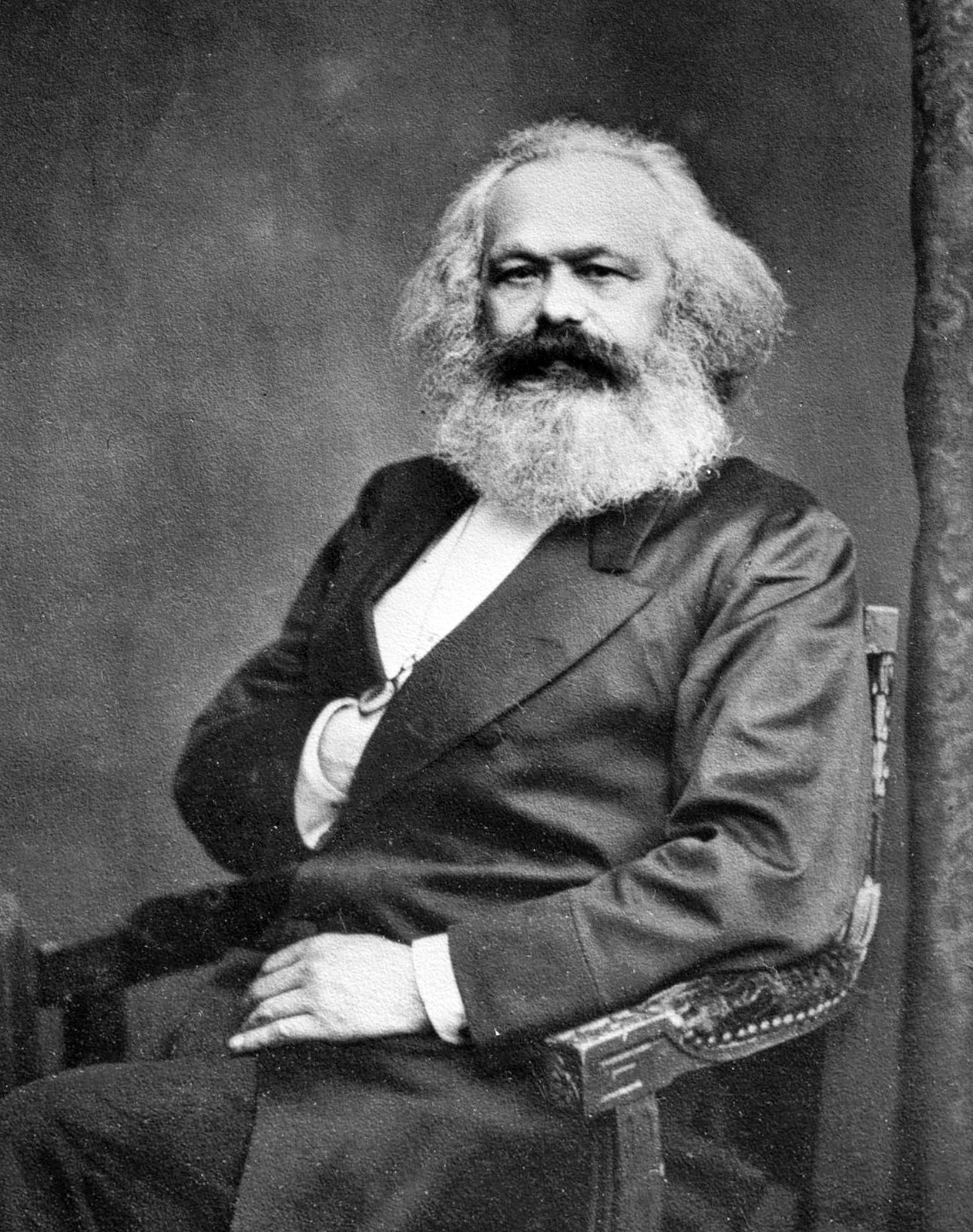
Karl Marx spelled out how he believed that workers should rise up against factory owners, outlining the basic principles of
capitalism
socialism
communism
command economies
Why was England the site of the beginnings of the Industrial Revolution?
England was the most powerful nation in the world
It wasn't; history has unfairly given England credit for the Industrial Revolution
England had an abundance of natural resources such as coal, iron ore, and waterways where water wheels and steam engines could be built
England was centrally located to many areas like France, Germany, Spain, and Ireland, giving them an advantage to bring in resources and talent from many places
Who were the Central Powers?
Germany, United States, Russia
Russia, Belgium, Italy
Germany, Austria-Hungary, Ottoman Empire
Austria-Hungary, United States, Italy
Who were the Allies ?
France, Russia, Britain
France, Germany, Austria
Austria, Germany, Ottoman Empire
Belgium, Germany, France
Can you identify one action by Hitler in his attempt to rebuild Germany?
Agreeing to the terms of the treaty of Versailles
Increased the size of Germany's military and conquering neighboring countries
By taking loans from the United States to rebuild Germany
Asking to be invited to the League of Nations

Which cause of WWI can be best described as love for one's country OR wanting one's own country?
Militarism
Alliances
Imperialism
Nationalism
Ethnocentrism

Which cause of WWI can be best described as the belief that a country/people should maintain a strong military and be prepared to use it aggressively to defend or promote national interests?
Militarism
Alliances
Imperialism
Nationalism
Ethnocentrism

Which cause of WWI can be best described as a union or association formed for mutual benefit, especially among countries
Militarism
Alliances
Imperialism
Nationalism
Ethnocentrism

Which cause of WWI can be best described as a policy of extending a country's power and influence through diplomacy or military force
Militarism
Alliances
Imperialism
Nationalism
Ethnocentrism

In 1914, Serbian Nationalist (1)________ shot Archduke (2)________ to start World War I.
(1) Gavrilo Princip
(2) Franz Ferdinand
(1) Giuseppe Mazzini
(2) Otto von Bismarck
(1) Adolf Hitler
(2) Wilhelm II
(1) Vladimir Lenin
(2) Nicholas II
(1) Francisco Franco
(2) Alfonso XIII

Which of the following contributed directly to the rise of European Dictators?
"Treaty of Paris"
"Treaty of Versailles"
"League of Nations Charter"
"European Appeasement"

Europeans allowing Italy and Germany to expand militarily and grab territory was called-
"Appeasement"
"Reconciliation"
"Reparation"
"Regret"

The Axis alliance was comprised of-
"Britain, France, U.S.S.R"
"Germany, Italy, Japan"
"U.S.S.R, Germany, Britain"
"Japan, United States, China"

Japan began to create an empire due to-
"a need for natural resources and land"
"respond to an attack from China triggered a war"
"an arms race for nuclear weapons"
"a secret alliance between Japan and the United States"

Many historians believe that the Treaty of Versailles was a factor leading to the start of World War 2 because ...
it forced Kaiser Wilhelm to abdicate, throwing Germany into political choas.
the reparations and war guilt clauses left Germans feeling bitter towards their former enemies and yearning to make Germany a world power once again.
there weren't enough jobs and there was hyperinflation.
Hitler wanted to make Germany great again.

Which of the following is NOT true of fascism?
All aspects of society are controlled by the government (totalitarianism).
No opposition or protests are tolerated.
Glorifies the state and its mythical past.
Gives every citizen a say in the future of their country.
The Great Depression ...
is what happens when there's no wifi.
occurred in Russia in 1936 when a meteorite struck Siberia.
causes World War 2 because everyone was tired of feeling down.
was caused by the US stock market crash in 1929, and led to massive levels of unemployment.

The Empire of Japan focused on expanding its empire ...
because it needed resources to feed its growing industrial economy.
it wanted to be a world power with colonies like Britain, France and the Netherlands.
its leaders were confident it could dominate the region whilst the European colonial powers were caught up in European affairs.
all of the above.

Adolf Hitler came to power in 1933 promising ...
to fight against communism and take land for Germany from the Soviet Union.
to make a peace deal with Josef Stalin and the Soviet Union.
to fight communists across western Europe.
to govern alongside the German communists.

The most significant example of Allied appeasement of Nazi Germany prior to World War 2 ...
when Germany sent troops into the Rhineland and France did nothing to stop it.
was when Hitler demanded that Czechoslovakia cede the Sudetenland to Germany, and Britain and France agreed to his demands.
when Hitler ordered that his military forces be built up beyond the limits mandated in the Treaty of Versailles, and the Allies did nothing.
when Germany annexed Austria and the Allies did nothing.
American isolationism prior to and during World War 2 refers to ...
how the United States didn't want to trade with anyone else in the world.
the official policy of the United States to fix its economic depression before getting involved in foreign affairs.
the official foreign policy of the United States to not get involved in foreign wars.
how the United States had been very naughty and needed to be excluded from international diplomacy and agreements.
Which battle was the European theater turning point on the Eastern Front?
Iwo Jima
Battle of Britain
Battle of Stalingrad
D-Day

2-Communism
3-Democratic Republic
2-Communism
3-Dictatorship
2-Monarchy
3-Democratic Republic
2-Democratic Republic
3-Dictatorship


