
 Worksheets
Matter quiz
Total questions: 51
Worksheet time: 48mins
Which kind of matter has its own shape?
solid
liquid
gas
matter
How are gasses and liquids alike?
They both have their own shape.
They can both take the shape of their container.
They do not have mass.
They are both solids.
Which state of matter completely fills any closed container?
solid
liquid
gas
plasma
Which state of matter has molecules that are close together, but they are able to move around freely?
solid
liquid
gas
ice cube
Which state of matter moves in all directions and at very high speeds?
solid
liquid
gas
water
How can you turn water (liquid) into ice (solid)?
Boil it on the stove.
Put it in a sunny place.
Keep it in the dark.
Put it in the freezer.
When a liquid is moved from one container to another, it ....
keeps its shape
gets warmer and melts
takes the shape of the new container.
loses mass and volume.
Which item conducts thermal and electrical energy?
plastic pipe
tennis shoe
copper wire
wooden spoon

Which liquid is the least dense?
lamp oil
honey
ping pong ball
bolt
Which item has the greatest mass?
3 kg of feathers
1 kg of gravel
1 kg of sand
2 kg of pencils

The tiny particles that make up matter are called
atoms
Legos
pieces
What is a solid?


A jeweler melts gold to make jewelry. As the gold melts, the mass
increases
decreases
stays the same
is destroyed

A student notices that an inflated balloon gets larger when it is warmed by a lamp. Which best describes the mass of the balloon as a result of this change?
The mass of the balloon increases because the size of the balloon has increased.
The mass of the balloon increases because the temperature of the balloon has increased.
The mass of the balloon stays the same because the gas inside the balloon still has the same mass after it warms up.
The mass of the balloon stays the same because warming decreases the mass enough to cancel out the effect of increasing the size.
Mass is how much _____ an object contains.
spaces
speed
matter
volume

Hector is standing in a closed room with a balloon filled with helium gas. If Hector pops this balloon, what will happen to the molecules in the helium gas?
They will condense into a cloud around Hector.
They will fall to the floor as a structured solid.
They will expand and flow through the room
They will flow to the floor and form a puddle.
What is a chemical change?
Forming a new substance
When two or more substances combine to make a greater one
When two or more substances combine to make a new chemical substance
Combing substances
Which of the following are examples of a Chemical Change?
Iron Rusting
Gas Burning
Breaking a glass
Boiling water
Burning Wood
Select the properties of a physical change!
Color
Shape
Size
Bubbles
Temperature
Which is an example of a chemical change?
Cutting paper
Digesting Food
Crumbling paper
Boiling water
Which is an example of a physical change?
Cooking
Buring Wood
Ripping paper
Digesting Food
Which of the following isn't a chemical change?
digesting food
boiling water
fireworks
baking bread
Does a physical change the substance itself?
yes
no
Is this a Chemical or a Physical change?
Fireworks
Chemical
Physical
Both
Neither
Chemical or Physical change?
Ice melting
Chemical
Physical
Neither
Both
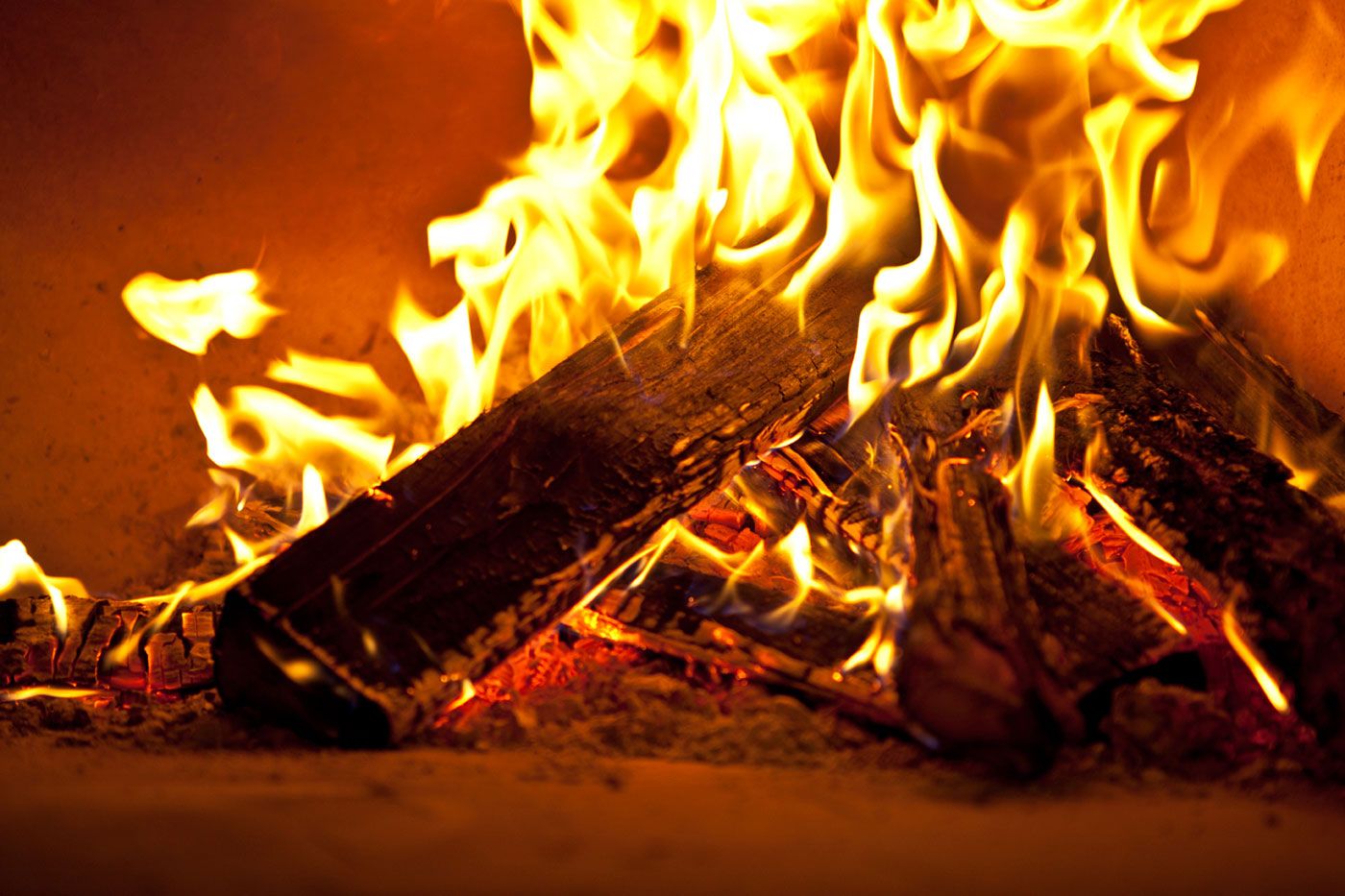

Is hammering wood to build a treehouse a physical or chemical change?
physical change
chemical change
Is mowing the lawn a physical or chemical change?
physical change
chemcial change


A material that is more dense will -
float
sink
A material that is less dense will -
float
sink

The ability for matter to dissolve is its -
density
insulator
solubility
conductor
Insoluble means a material -
Can NOT dissolve
Can dissolve
Soluble means a material -
Can NOT dissolve
CAN dissolve

Weight is -
the force of gravity on an object
the amount of matter in an object
never changes
is how much a material can move

Mass is -
the amount of matter in an object
the density of a material
the amount of force a material has
the concentration of matter in an object.

A material that is an insulator will -
allow energy to travel
stop or slow down energy
A material that is an conductor will -
allow energy to travel
stop or slow down energy
During one of our labs we added baking soda and vinegar inside a plastic bottle. Using your notes select the effects that proved it was a chemical reaction?
Bubbles/Fizz
Light
Heat
A new substance was created-gas
Another experiment we performed to show a chemical reaction was adding yeast to Hydrogen Peroxide. What effects proved that it was a chemical change?
Heat
Light
Odor
Bubbles
During one lab we boiled water and put into a pitcher. Then we placed a bowl on top with ice to shows the which two processes?
boiling
evaporation
freezing
condensation

