
 Worksheets
STAAR Review
Total questions: 125
Worksheet time: 1hrs 14mins
Engravings by Paul Revere depicting the Boston Massacre had what effect on colonial opinion?
It encouraged colonists to support new British taxes.
It increased opposition to British rule in the colonies.
It encouraged colonists to accept British troops in Boston.
It increased European sympathy for British rule in the colonies.
Major cities in the 18th century such as Charleston and Philadelphia
were only located in the New England colonies
was located on the Mississippi River
was built on high ground
had a major port
The important third battle of the Revolution saw Redcoats driving the militia from Boston but also taught the British the militia were prepared to fight.
Bunker HIll
Saratoga
Ticonderoga
Yorktown
Discussed by John Locke, cannot be taken away, protected by the government and mentioned in the Declaration:
unalienable rights
separation of powers
grievances
federal judiciary
As a unique example of Colonial thinking and an unprecedented document, it inspired people the world over to seek freedom.
Common Sense
Magna Carta
Articles of Confederation
Declaration of Independence
The French began to support the Americans after this battle
Lexington and Concord
Yorktown
Saratoga
Treaty of French

British commander Cornwallis was surrounded by French and Continental armies and surrendered here.
Saratoga
Yorktown
Bunker Hill
Lexington and Concord
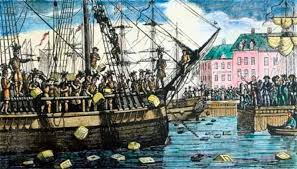
Samuel Adams and Paul Revere led members of the Sons of Liberty in this protest against taxes.
First Continental Congress
Boston Massacre
Boston Tea Party
Stamp Act Congress

This enslaved person wrote poems and plays supporting American independence.
Harriet Tubman
Benjamin Banneker
Paul Revere
Phillis Wheatley
The "shot heard 'round the world" was written by Ralph Waldo Emerson about which battles?
Battle of Bunker Hill
Battle of Lexington and Concord
Battle of Trenton and Saratoga
The 2nd Continental Congress appointed __________ to lead the Continental Army.
Benedict Arnold
Patrick Henry
George Washington
Alexander Hamilton
Published Poor Man's Almanac and negotiated the Treaty of Paris.
Paul Revere
James Armistead
Thomas Jefferson
Benjamin Franklin
Published Poor Man's Almanac and negotiated the Treaty of Paris.
Paul Revere
James Armistead
Thomas Jefferson
Benjamin Franklin
Parliament passed the Navigation Acts to
protect English merchants from competition
to fund the building of new merchant ships
to encourage colonial trade with foreign suppliers
to authorize the British Navy to defend colonial ships
To punish Massachusetts, the Intolerable Acts did all of the following EXCEPT:
Required public officials to be appointed by the royal governer
Allowed the quartering of troops in private homes
Limited the amount and brand of tea in Boston
Closed the Port of Boston
After the _________________ Britain issued the Proclamation of 1763 which ________________________________________.
Boston Massacre : put a tax on tea
Boston Tea Party : quartered troops in the homes of the colonists
French Indian War : restricted settlement to the East of the Appalachian Mountains
Unalienable Rights are (choose all that apply)
right to property
life
liberty
pursuit of happiness
As a spy, he passed along information which led to the victory at Yorktown
John Paul Jones
Benedict Arnold
James Armistead
Abraham Woodhull
Protests and demonstrations like those seen after the Stamp and Intolerable Acts are examples of
smuggling
natural rights
civil disobedience
unalienable rights
Washington and the Continental Army spent the bitter winter of 1777 - 1778 at:
Saratoga
Yorktown
Trenton
Valley Forge
Colonists who opposed the war
Patriots
Loyalists
Minutemen
Which group wrote the Declaration of Independence?
Committee of Correspondence
Sons of Liberty
Second Continental Congress
What was the contribution of these individuals to the Revolutionary War? Abraham Woodhull, Nancy Hart, James Armistead
They were all military leaders
They were all part of the Boston Tea Party
They were all spies
They were all Loyalists
Britain recognized the new independent country for the first time after the
Boston Tea Party
Cornwallis surrender at Yorktown
Treaty of Paris 1783
Declaration of Independence
Alexander Hamilton and Thomas Jefferson disagreed about the power of the federal government. Which man wanted the federal government to have more power than the state governments?
Alexander Hamilton
Thomas Jefferson
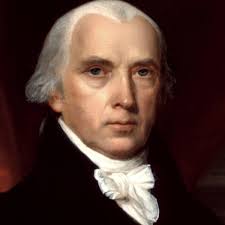
Who is known as the "Father of the Constitution"?
George Washington
Alexander Hamilton
James Madison
Benjamin Franklin
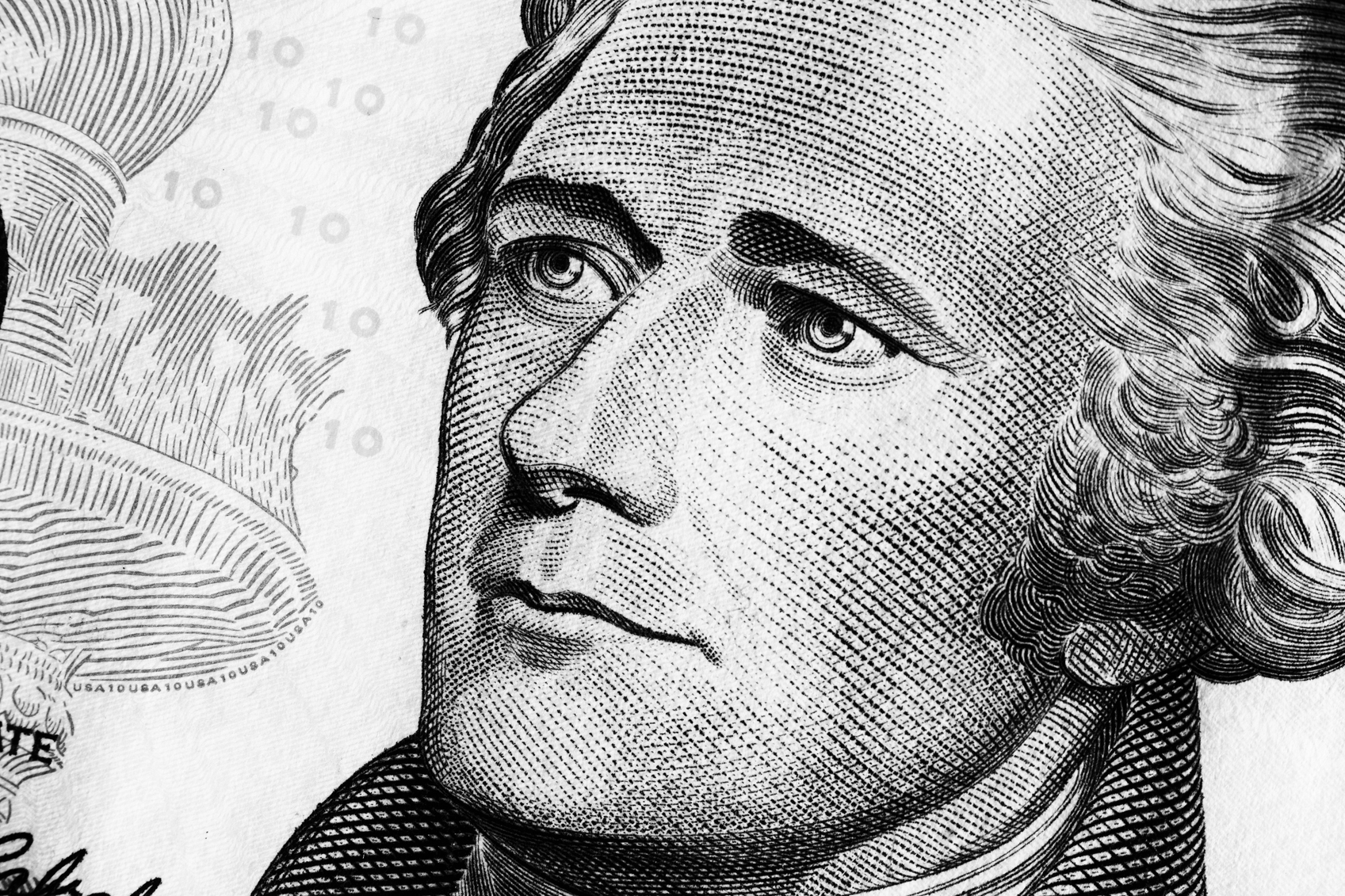
Who is known as the leader of the Federalists?
Alexander Hamilton
John Adams
Patrick Henry
Benjamin Franklin
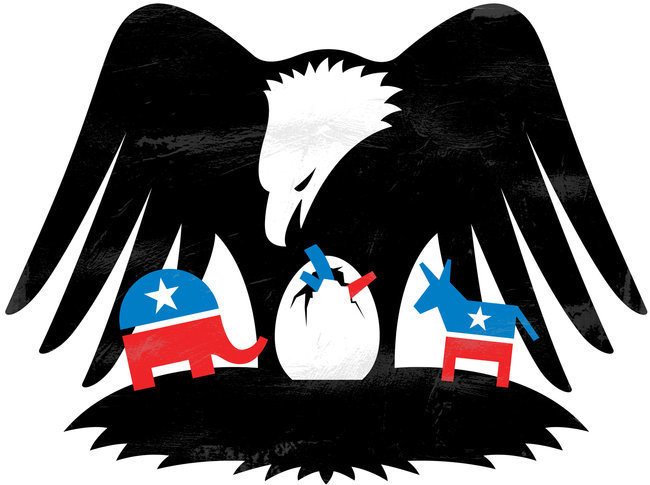
The Federalist and Anti-Federalists groups are known as _______________.
Governing Groups.
Political Parties.
Militia's.
Delegates.
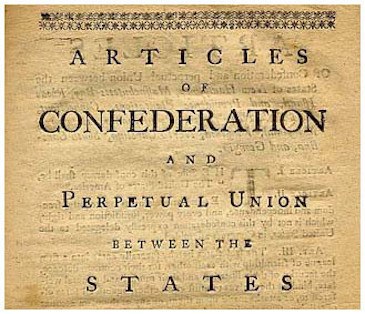
Federalists believed that the Articles of Confederation were a ________ and set up a ________ National Government.
Success, Strong.
Success, Weak.
Failure, Weak.
Failure, Strong.
The Land Ordinance of 1785
prohibited western settlement
set up a system for dividing and selling western lands
set up a system to dispute controversy in local elections
prohibited slavery in new territories
______________ is the National, State, and local government share power; also refers to the division of power between the state and national government.
Land Ordinance of 1785
Federalism
Anti-Federalist
Shay's Rebellion
The ______________________ is body of fundamental principles or established precedents according to which a state or other organization is acknowledged to be governed.
Great Compromise
Lost State of Franklin
Constitution
Federalism
_____________________series of violent attacks on courthouses and other government properties in Massachusetts that began in 1786 and led to a full-blown military confrontation in 1787.
Shay's Rebellion
Northwest Ordinance of 1787
Land Ordinance of 1785
Great Compromise
The _________________________ was a standardized system whereby settlers could purchase title to farmland in the undeveloped west.
Shay's Rebellion
Northwest Ordinance of 1787
James Madison
Land Ordinance of 1785
How did the Federalists and Anti-Federalists "compromise" to ratify (approve) the U.S Constitution?
The added the Bill of Rights (First 10 Amendments)
They outlawed cruel and unusual punishment.
Ensured due process of the law.
The Federalists threatened the Anti-Federalists to war.
Which legal precedent was set by the decision of Marbury v. Madison, (1803)?
The Supreme Court may declare laws unconstitutional.
The election process must use a secret ballot for voting.
The federal government must provide employees due process.
The House of Representatives had the sole power to declare war.
The power of the Supreme Court to conduct a judicial review originated with a controversy over —
presidential powers to conduct war without legislative approva
overriding a presidential veto on territorial expansion
fugitive enslaved people being returned to slaveholders
last-minute presidential appointments of judges
The XYZ Affair is an example of how the Adams administration was working to
expel France’s diplomats from the United States
negotiate boundaries with France
cooperate with France’s leaders during their revolution
avoid war with France
The Nineteenth Amendment to the U.S. Constitution grants women the right to vote and reflects the constitutional principle of
federalism
republicanism
separation of powers
checks and balances
Which of the following statements reflects an argument supported by Anti-Federalists?
Individual rights can best be protected by a strong central government.
The revolution was fought to end the tyranny of a strong central government.
Without a strong central government the union will fragment into smaller parts.
A strong central government is necessary to provide for the protection of the
union.
One way the U.S. Constitution establishes limits on U.S. government is by
defining the powers of elected leaders
establishing rules for naturalization
requiring voters to show proof of identification
allowing the government to collect taxes
The seventeenth of September is the federal observance of Constitution Day. The purpose of the observation is to recognize the writing of the Constitution by delegates in Philadelphia in the year
1787
1789
1791
1793
The first ten amendments of the U.S. Constitution are an example of which constitutional principle?
Individual rights
Checks and balances
Republicanism
Separation of powers
Unalienable rights are best defined as
rights guaranteed in the Bill of Rights
rights given to all people by being born a human
rights which have been taken from a person through due process
rights listed in the First Amendment of the United States Constitution
Which of the following is not an unalienable right mentioned in the Declaration of Independence?
Liberty
Pursuit of happiness
Property
Life
The Mayflower Compact is a significant founding document in the history of the United States because it established the idea that the colonists would
remain loyal subjects of the King of England
live peacefully with the American Indian tribes
grant freedom to those working to pay a debt
govern themselves using agreed upon laws
Which grievance listed in the Declaration of Independence is addressed by the Third Amendment to the U.S. Constitution?
Restricting trade
Quartering soldiers
Imposing taxes without consent
Dissolving representative legislatures
The central issue of the Three-Fifths Compromise was concerning the
establishment of upper and lower legislative bodies
manner in which bills and amendments would become law
portion of federal revenues that would come large and small states
counting of enslaved people for the purposes of determining representation
During which era did the publication of The Federalist Papers take place?
Colonial Era
Era of Exploration
Constitutional Era
Era of Exploration
Which controversial legislation of President John Adams' administration restricted citizens from criticizing the government?
The Embargo Act
The Alien and Sedition Acts
The Monroe Doctrine
The Judiciary Act
Why did Northern states favor tariffs during the early years of the republic?
Northern farmers would be able to trade in foreign markets freely.
Northern manufacturers would benefit from less foreign competition.
Southern smugglers would be forced to trade fairly and legally.
Southern states would sell more raw materials to Northern businesses.
A central issue contributing to the development of political parties in the United States was
the expansion of U.S. territory
the role of the Supreme Court
the diplomatic ties to foreign nations
the power of the federal government
Which of the following stated that the United States would not tolerate European intervention in Latin America?
XYZ Affair
Treaty of Ghent
Monroe Doctrine
Alien and Sedition Acts
One economic impact of the War of 1812 on the United States was
a greater reliance on U.S. manufacturing
a decline of transportation infrastructure
a stock market crash and falling prices
a closer trading connection with Canada
Which action contributed to the beginning of the War of 1812?
Attacks on American ships by Barbary Coast pirates
Seizure of American ships by the Spanish navy
Violations of American fishing rights on the Great Lakes
Impressment of American sailors into the British navy
One result of the passage of the Judiciary Act during the Washington presidency was
the establishment of the federal court system
the limitation on the practice of judicial review
the formal separation of federal and state courts
the creation of a supreme court as final mediator
By choosing against seeking a third term, Washington demonstrated the leadership quality of
courage in the midst of difficult circumstances
honesty and a sense of personal integrity
personal restraint from seeking power
sacrifice and civic responsibility to the country

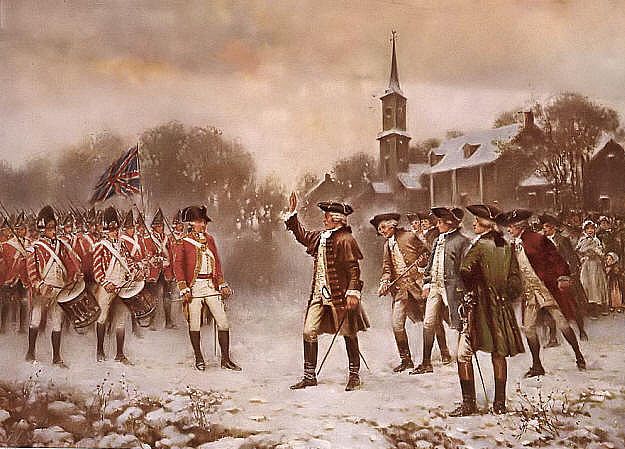


The first battle of the Revolutionary War happened at
Trenton
Saratoga
Lexington
Yorktown
Has a hit Broadway musical about his life - was Washington's assistant during the revolutionary war.
Benedict Arnold
Alexander Hamilton
Crispus Attucks
Abraham Woodhull
One advantage the Patriots had over their opponent was:
they were younger
they had better training
Britain was also at war with Spain and France
they fought on their own home territory
The mercantilist policies contributed to the outbreak of conflict in the Revolution because
Colonial businesses were frustrated with government trade restrictions.
Immigrants to the colonies were angered over government travel restrictions.
The land west of the Appalachian mountains was difficult to settle.
Mercantilism contributed to the rise of slavery because of the growth of
northern shipbuilding
middle colonies iron production
southern plantations
a lack of trained indentured servants
Two individuals who contributed ideas about government to the colonies were:
Montesquieu
Washington
Henry
Locke
How did physical geography influence settlement patterns that emerged in the American colonies?
Dense forests in the Southern colonies made settlement difficult
Access to water resources made farming impossible in the New England colonies
Mountain barriers kept colonists along the Eastern seaboard
Limited government was an ideal fostered by William Penn when he
created a regional newspaper
wrote a colonial constitution
granted free blacks colonial citizenship
created and supported a colonial union
The primary reason for economic difference among the colonies was:
religion
nationalilty
geography
politics
What industry made the Ohio River valley and the Great Lakes desirable for French settlers?
The amount of gold found along the banks.
Rich soil and a moderate climate made farming easy
The swift rivers and lakes hosted an abundance of beaver
No Eastern colonies were available
The Fundamental Orders of Connecticut were written by
James Armistead
William Penn
John Locke
Thomas Hooker
To refuse to buy items in order to show disapproval or force acceptance of terms.
Propaganda
Repeal
Boycott
Rebellion
Which victory marked the end of the Revolutionary War?
Lexington and Concord
Trenton
Bunker HIll
Yorktown
In which document does Britain finally recognize the United States as an independent country?
Declaration of Independence
Olive Branch Petition
Proclamation of 1763
Treaty of Paris

I was an outspoken member of the House of Burgesses: "Give me liberty or give me death!" My house is about 25 miles away in Hanover County.
Phillis Wheatley
King George III
Paul Revere
Patrick Henry
The reform efforts of Dorothea Dix during the mid-nineteenth century led to —
improved education for immigrant children
improved facilities for the mentally ill and disabled
the expansion of suffrage for women
the creation of worker safety regulations
Frederick Douglass contributed to the abolitionist reform movement by
running for president as a member of the Abolition Party
creating a secret route for escaped enslaved people
writing legislation that banned enslaving people
informing others about his early life in slavery
The reform efforts of the women’s rights movement of the nineteenth century helped to bring about
an increase in wages paid to women
a shortening of the workday to ten hours
an end to the trading of enslaved people
the beautification of overcrowded American cities
Which of the following terms best describes the concept of reform?
innovational thinking
changes for improvement
sectional conflicts
movement of products
Prison Reform Women's Suffrage Temperance Movement
All on the list above felt the impact of which of the following?
Lincoln's election
Second Great Awakening
national wake-up call
manifest destiny
With malice toward none, with charity for all, with firmness in the right as God gives us to see the right, let us strive on to finish the work we are in, to bind up the nation's wounds, to care for him who shall have borne the battle and for his widow and his orphan, to do all which may achieve and cherish a just and lasting peace among ourselves and with all nations.
— Abraham Lincoln, Second Inaugural Address, 1865
In his second inaugural address, President Lincoln expressed his desire to —
obtain peace through compromise.
end slavery throughout the South.
reunite the nation following the war.
recognize the Confederacy as a separate country.
Physically speaking, we can not separate. We can not remove our respective sections from each other nor build an impassable wall between them. A husband and wife may be divorced and go out of the presence and beyond the reach of each other, but the different parts of our country can not do this.
— Abraham Lincoln
What was Abraham Lincoln referring to when he spoke the words above in 1861?
the legality of the Monroe Doctrine
the value of the Compromise of 1850
the effects of the Dred Scott decision
the secession of slave states from the Union
. . . no state, upon its own mere motion, can lawfully get out of the Union; that resolves and ordinances to that effect are legally void . . .
To which state was Lincoln referring in the statement above?
Missouri
South Carolina
Maryland
Virginia
Which of the following was Lincoln MOST opposed to in 1861?
prejudice
breaking the United States apart
the cost of war
slavery
Which of these examples of Colonial American writing MOST inspired people to seek freedom?
City Upon a Hill
Poor Richard's Almanac
Articles of Confederation
Declaration of Independence
Noah Webster wrote the first American dictionary. He changed the spelling of words and added words that were unique to the American experience. By doing these things, Noah Webster was promoting what universal theme?
faith
community
liberty
war
Characteristics of the American West in the 19th Century
– Increased settlement
– Declining native populations
– Shrinking wilderness
– Increased industrial development
In response to the above list, which of these authors wrote in praise of frontier life?
Nathaniel Hawthorne
Herman Melville
James Fenimore Cooper
Washington Irving
By the rude bridge that arched the flood,
Their flag to April's breeze unfurled,
Here once the embattled farmers stood
And fired the shot heard round the world.
—Ralph Waldo Emerson, 1863
To which event was Emerson referring when he wrote the words above?
The Boston Tea Party
The Battle of Bunker Hill
The Battle of Lexington and Concord
The Boston Massacre

The theme represented in this painting is most associated with —
the nineteenth-century temperance movement
books and songs supporting the nativist movement
the works of artists from the Hudson River School
the nineteenth-century industrial boom
The Hudson River School artists were influenced by the —
environmental effects of U.S. industrialization
natural landscape of the United States
success of social reform movements in the United States
migration of settlers to the U.S. frontier

Which movement did Emerson lead?
Temperance
Abolitionism
The Second Great Awakening
Transcendentalism
Why is the Union victory at the Battle of Gettysburg considered the turning point of the Civil War?
It was the first battle to use machine guns.
It was the last battle in any Union state.
It turned back the Confederate invasion of the North.
It placed the Union in charge of the Mississippi River.
One result of the Civil War was the strengthened power of
the Northern abolitionists in politics
the federal government over the states
the economic system of the Southern states
the legislative branch over the executive branch
How did President Lincoln's assassination affect the nation?
Southern states were more accepting of Union control during Reconstruction.
Southern and Northern leaders agreed to end the Civil War.
The loss of leadership made overcoming the challenges the nation faced more difficult.
Foreign powers used the political instability to try re-establishing colonies in Latin America.
Our fellow countrymen in chains!
Slaves—in a land of light and law!
Slaves—crouching on the very plains
Where rolled the storm of Freedom's War!
—John Greenleaf Whittier, 1834
Who would have agreed most with the above quotation?
Stonewall Jackson
Harriet Beecher Stowe
Jefferson Davis
Robert E. Lee
Where was the first battle of the Civil War fought?
Appomattox Court House, Virginia
Fort Sumter, South Carolina
Fort Jefferson, Florida
Richmond, Virginia
Effects:
Sale of liquor dropped by 50% States passed laws regulating alcohol Maine became the 1st state to pass prohibition
What was the cause of the above list of effects?
Prison Reform
Temperance Movement
Anti-Slavery Movement
Women's Suffrage Movement
Republics... have perished from a want of intelligence...in the masses of the people...If we do not prepare our children to become good citizens; if we do not enrich their minds with knowledge... then our republic must go down to destruction...
Horace Mann, September 1853
Which of the following would Horace Mann have approved of the MOST?
religious instruction
free public education
private colleges
free housing
How did economic opportunities for free African Americans differ from enslaved African Americans during the early 1800s?
Free African Americans could own property and had some rights, while enslaved African Americans had no rights at all.
Free African Americans could own and operate their own business, while enslaved African Americans could not own but could only operate a few small types of businesses.
Free African Americans had the right to own businesses and property, while enslaved African Americans only had the right to own personal property.
Free African Americans had no rights to own property, but could operate a business, while enslaved African Americans had no rights at all.
Which congressional action came about as a response to the Dred Scott decision?
Creating the Freedmen’s Bureau
Passing the Southern Homestead Act
Issuing the Emancipation Proclamation
Ratifying the Thirteenth Amendment
Which southern city served as a busy port of entry for goods and immigrants in the mid-1800’s?
Atlanta
Harper’s Ferry
Baton Rouge
Galveston
Sectional differences in the United States during the early 1800s were mostly rooted in differences about
religion
economics
the roles of women
attitudes about war
Which of the following was a result of the Missouri Compromise?
The slave trade ended.
Slavery was declared unconstitutional.
Only slavery states were admitted into the Union.
Political power was balanced between slave and free states.
The Missouri Compromise and the Kansas-Nebraska Act had what in common?
They declared slavery unconstitutional.
They eased sectional tensions for awhile.
They ended the slave trade.
They determined that only slave states would be admitted.
Which of these statements describes one effect of the Missouri Compromise?
Slavery was prohibited in the Missouri territory.
The Union Army was put in charge of the Confederacy.
Power between slave states and free states was balanced in the Senate.
The United States was allowed to peacefully expand into the western frontier.


Another word for describing a big city is what?
rural
suburban
urban
super-politan

Which of the following is the reason people moved to cities?
for the job opportunities
to catch a smelly pole cat
that is where the transcontinental railroad stopped
to get away from the free farmland out west

Why did Pittsburgh become a steel mill center?
It was close to resources and waterways
It had a football team named the Steelers
It mined a lot of steel out of the ground
It used all the steel to make cars there

