wayground logo

Free Printable Worksheets

Font size

S
M
L
XL
Worksheets

4th Six Weeks Review

Total questions: 55

Worksheet time: 41mins

Name
Class
Date
1.
When fertilizers run off farmland into streams and ponds, the nitrogen content of the water increases. This can lead to rapid growth of algae in a process called eutrophication. How can this process affect other organisms in the water?
a)
Oxygen is used up as algae is decomposed, reducing the amount available to other organisms.
b)
The water becomes better able to support aerobic organisms.
c)
The algae provide food for fishes and other organisms, leading to decreased algae populations.
d)
The extra nitrogen provides additional food for the other organisms, increasing their population.
2.
largest number of individuals of a population that the environment can support  
a)
carrying capacity
b)
primary succession 
c)
denitrification
d)
mutualism
3.
Increased industrialization will most likely
a)
decrease available habitats 
b)
increase environmental carrying capacity 
c)
increase the stability of ecosystems 
d)
decrease global warming
4.
Which human activity is correctly paired with its likely future consequence?
a)
overfishing in the Atlantic — increase in supply of flounder and salmon as food for people 
b)
development of electric cars or hybrid vehicles — increased rate of global warming 
c)
use of fossil fuels — depletion of underground coal, oil, and natural gas supplies 
d)
genetically engineering animals — less food available to feed the world’s population
5.
Which of the following historical events most likely triggered the largest increase in the human population? 
a)
the Black Death plague, which occurred in the mid-1300s
b)
the domestication of wheat crops, which began around 8000 B.C
c)
the fall of the Roman Empire, which occurred around A.D. 800
d)
the Industrial Revolution, which began in the late 1700s
6.

A toxin that breaks down slowly is introduced into the environment through the spraying of insecticides. The toxin is very lethal when an organism receives high levels of it. Which organism in the food web is in the most danger?

a)

Grass

b)

Rabbit

c)

Fox

d)

Fish

7.
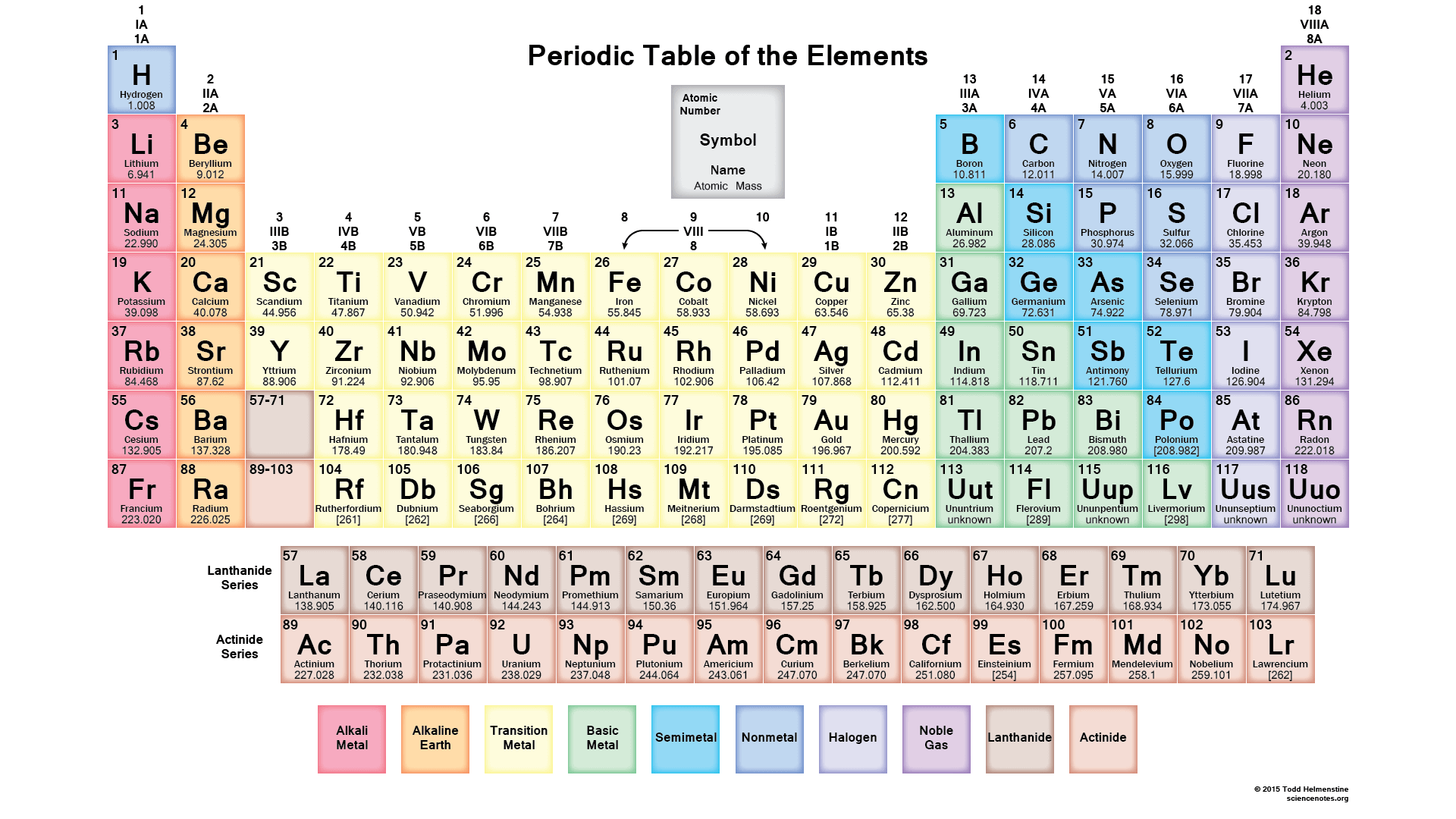
What number on the element key tells you how many protons an element has?
a)
Atomic Mass
b)
Element name
c)
Atomic number
d)
Element Symbol
8.
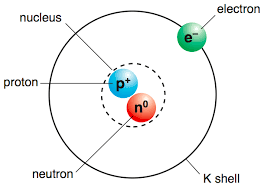
Which description about the proton is accurate?
a)
Positively charged particle with a mass less than 0 amu
b)
A neutrally charged particle with a mass less than 0 amu
c)
Positively charged particle with a mass of 1 amu
d)
A neutrally charge particle with a mass of 1 amu
9.
The following element key shows how many protons?
a)
16
b)
15.999
c)
Oxygen
d)
8
10.
Which of the following situations is MOST HARMFUL to an ecosystem's food web or food chain?
a)
introduction of a similar producer
b)
loss of one of the top consumers
c)
increase in the population of producers
d)
disease killing the producers
11.
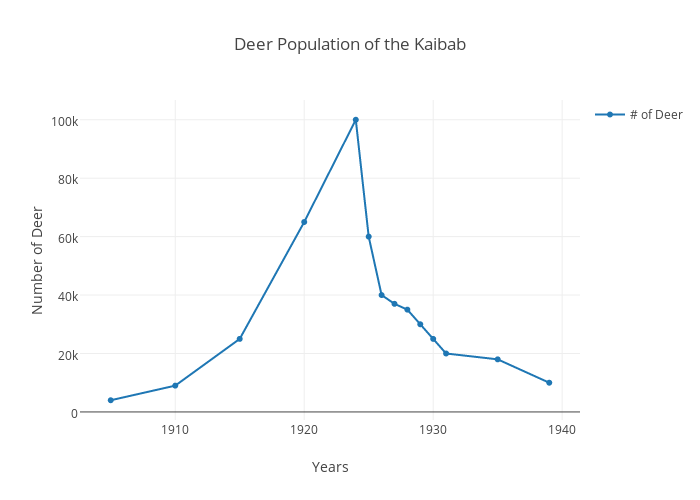
The graph above shows the variation in the deer population in the Kaibab Plateau from 1905 to 1939. Between 1907 and 1923, the natural predators of deer were eliminated from the area by hunters. What was the most likely reason for the decline in the deer population after 1924?
a)
The deer stopped competing for resources because they had no predators.
b)
The increased number of deer led to increased competition for resources.
c)
A large number of deer left the region in search of new predators.
d)
The removal of predators caused fewer resources to be available to the deer.
12.
What is the MOST likely consequence if a fungal disease killed the grass in this WOODLAND ECOSYSTEM?
a)
Only the rabbits would be affected, because they are the ones who eat the grass.
b)
The blueberry bush would begin to grow wild, because it would have more space to grow.
c)
Nothing would happen; the animals would eat something else.
d)
The ecosystem would most likely be disrupted, because the grass is one of its primary producers
13.

Where is the element's atomic NUMBER located?

a)

the top

b)

the bottom

c)

the top + the bottom

d)

the number of protons + the number of neutrons

14.

Where is the element's atomic MASS located?

a)

at the top

b)

at the bottom

c)

the top number + the bottom number

d)

the number of protons + the number of neutrons

15.
What subatomic particle(s) would be found orbiting the nucleus?
a)
Neutrons only
b)
Electrons only
c)
Protons and Neutrons
d)
Protons and Electrons
16.

Which subatomic particles contribute the most to the mass of an atom?

a)

Protons and Neutrons

b)

Protons only

c)

Electrons only

17.

Valence electrons are the number of

a)

protons in the atom

b)

electrons in the atom

c)

protons + neutrons in the nucleus

d)

electrons in the outside shell of the atom

18.
A team of ecologists observed feeding patterns of several populations in the desert. The energy pyramid shown below depicts the feeding patterns the ecologist observed. Which of the following best explains the difference in the amount of available energy in the trophic levels of the desert ecosystem?
a)
There is less energy available in the producers because their tissues are less dense than those at higher trophic levels.
b)
There is more energy available in the second trophic level because less energy is needed for hunting compared to the higher trophic levels. 
c)
There is more available energy in the birds of prey because they have greater muscle mass for storing energy than organisms in lower trophic levels have. 
d)
There is less available energy in the fourth trophic level because of the loss of energy through metabolism in each of the lower trophic levels.
19.
a)
7
b)
8
c)
9
d)
10
20.

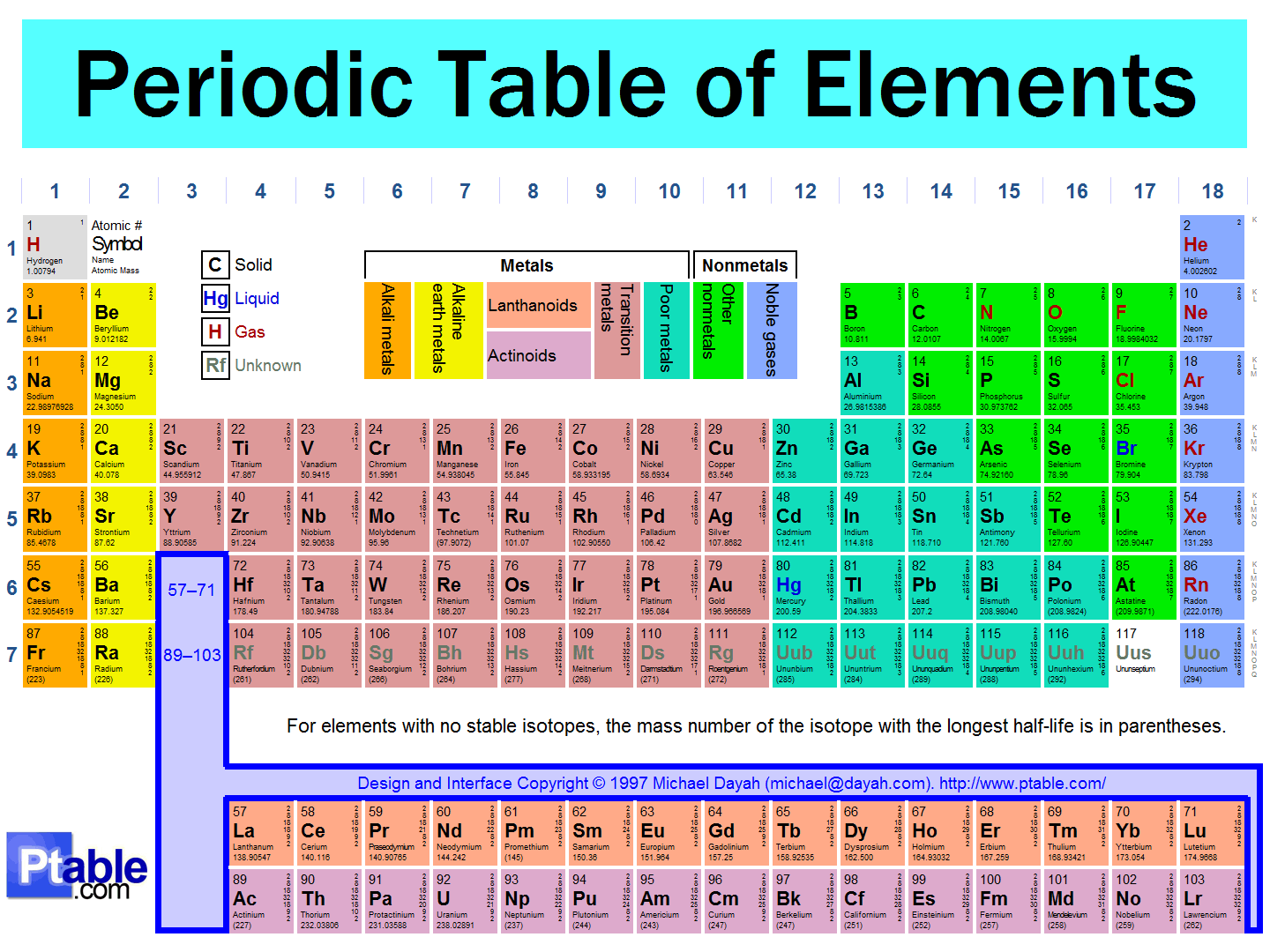
USE THE PERIODIC TABLE

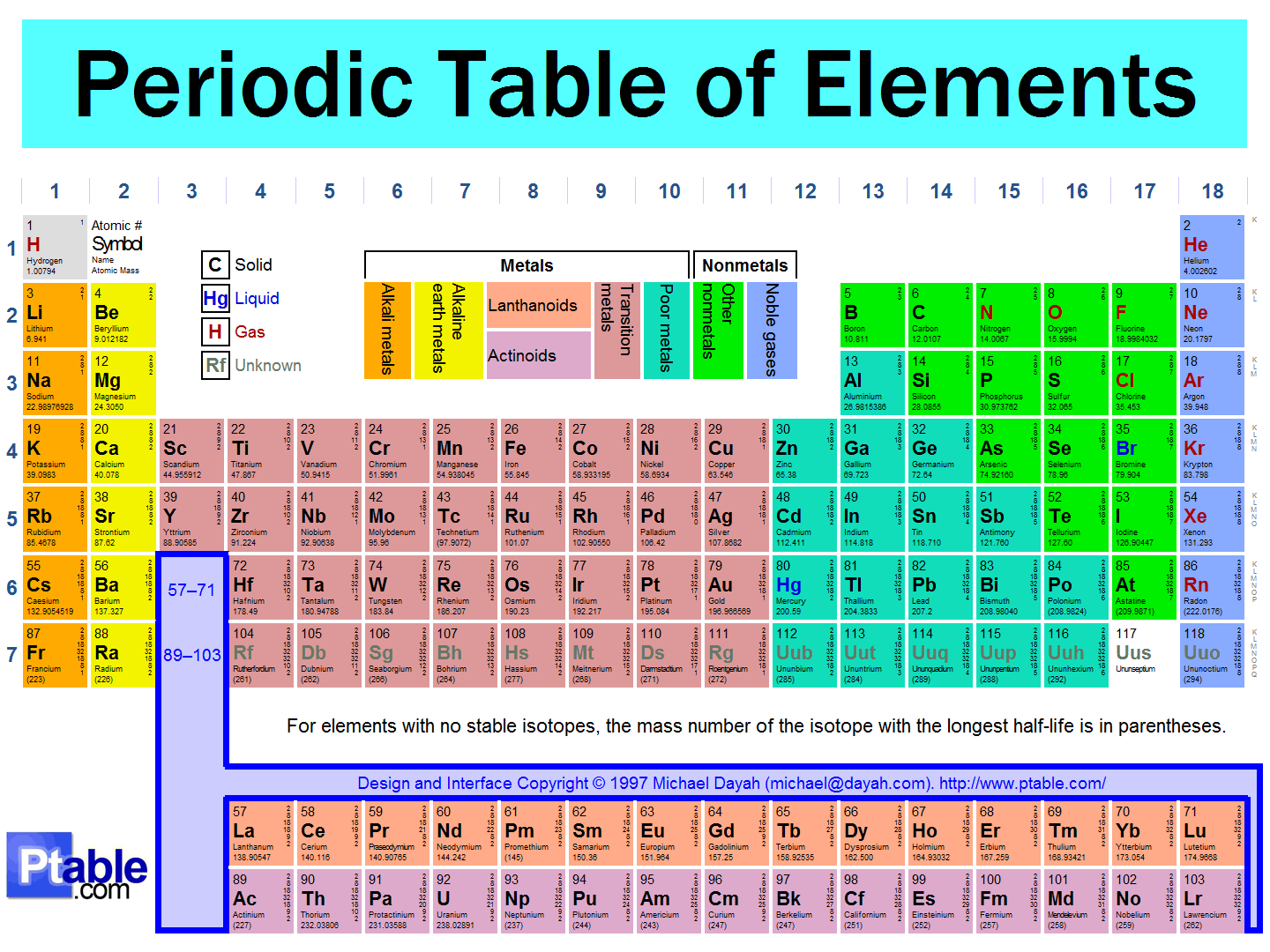
How many valence electrons does Phosphorus have?

a)

31

b)

5

c)

15

d)

4

21.

USE THE PERIODIC TABLE

Find the element that has 3 Valence Electrons and 2 energy levels.

a)

Magnesium - Mg

b)

Lithium - Li

c)

Aluminum - Al

d)

Boron - B

22.

USE THE PERIODIC TABLE

Find the element that has 5 Valence Electrons and 4 energy levels.

a)

Arsenic - As

b)

Selenium - Se

c)

Calcium - Ca

d)

Vanadium - V

23.
Elements in the same column of the periodic table always have the same # of _______ as one another.
a)
Protons
b)
Neutrons
c)
Electrons
d)
Valence Electrons
24.

What is the goal of the Lewis Dot Structure?

a)

To determine the electron position.

b)

To show the element's valence electrons & bonding capabilities.

c)

To find the atomic mass of an element.

d)

To search for the number of electrons in an individual atom.

25.

Which elements have the most similar chemical properties?

a)

boron and carbon

b)

oxygen and sulfur

c)

aluminum and bromine

d)

argon and silicon

26.

When trying to identify an unknown element, a scientist determines what other elements reacts with chemically. Which property of the unknown element determines the other element it reacts with?

a)

The total number of neutrons in the unknown element

b)

The total number of particles in the nucleus of the unknown element

c)

The number of protons in the nucleus of the unknown element

d)

The number of valence electrons in the unknown element

27.
Metals generally have the following properties EXCEPT for being:
a)
Shiny
b)
Non-conductors
c)
Malleable
d)
Reactive with HCl/CuCl2
28.
Nonmetals do NOT have which of the following characteristics:
a)
Shiny
b)
Brittle
c)
Non-conductor
d)
Non-reactive with HCl/CuCl2
29.
Which of the following is a physical property?
a)
Flammability
b)
Reactivity with H2O2
c)
Color
d)
Toxicity
30.

nonmetals are found in the_________the periodic table

a)

left side

b)

right side

c)

the zigzag line

d)

i don't know😫😫😫

31.

metals are good conductors of

a)

heat

b)

electricty

c)

both heat and electricity

d)

i don't know😥😥

32.

nonmetals are found in the_________the periodic table

a)

left side

b)

right side

c)

the zigzag line

d)

i don't know😫😫😫

33.

__________ can be hammered i different shapes

a)

nonmetals

b)

metalloids

c)

metal

34.
Which of the following is NOT a characteristic of most metals?
a)
Brittle
b)
Good conductor
c)
Ductile
d)
Malleable
35.

Which element is more reactive, Li or N?

a)

Li is more reactive because it has fewer protons

b)

N is more reactive because it has more electrons

c)

Li is more reactive because it has fewer valence electrons

d)

N is more reactive because it has more protons

36.
If the population of a certain predator increases, there is often _______ its prey
a)
a decrease the population of
b)
an increase of the population of 
c)
great news for its prey of
d)
no  impact found on
37.
Any thing or organism that regulates the size of a population of another organism is known as __________.
a)
a limiting measure
b)
a limiting factor
c)
factorization
d)
materialization of precipitation
38.
If a disease destroying barley plants in a field swept through an ecosystem, what would happen to the barley eating bird population in the the field ?
a)
The bird population would stay the same
b)
The bird population would infinitely increase
c)
The bird population would decrease
39.
What would happen if the population of hawks suddenly increased? How would it affect the other organisms in the ecosystem?
a)
The snakes would decrease due to more hawks eating them
b)
All of the population of organisms would increase
c)
The biotic factors in the ecosystem would increase
d)
The hawks predators would decrease
40.

How many neutrons does K have?

a)

19

b)

39

c)

20

d)

unknown

41.

How many protons are in Sulfur and Oxygen combined?

a)

24

b)

48

c)

16

d)

56

42.

The vertical (up and down) columns in the Periodic Table are called

a)

groups

b)

towers

c)

periods

d)

atomic numbers

43.
Sodium (Na) is found in period 
a)
3
b)
2
c)
4
d)
1
44.
Sodium (Na) is found in group 
a)
1
b)
2
c)
3
d)
4
45.

The horizontal (side to side) rows in the Periodic Table are called

a)

groups

b)

families

c)

periods

d)

atomic numbers

46.

where are the metaloids found

a)

far left, vertical

b)

stair step/diagonal

c)

far right horizontal

d)

at the bottom

47.

what group number are the noble gases

a)

17

b)

18

c)

14

d)

15

48.

What do the vertical columns on the periodic table tell us?

a)

The number of orbitals

b)

The number of valence electrons (electrons on the outer most shell)

49.

What do the horizontal rows on the periodic table tell us?

a)

The number of orbitals

b)

The number of valence electrons (the electrons on the outer most shell)

50.

What does the number of proton tell us?

a)

electrons

b)

atomic number

c)

atomic mass

d)

neutrons

51.

What group and period does this element belong in? *

a)

period 1 and group 3

b)

period 3 and group 1

c)

period 2 and group 3

d)

period 3 and group 2

52.

How many valence electrons does the element have?

a)

1

b)

2

c)

3

d)

4

53.
Each column in the periodic table is called a 
a)
period
b)
group
c)
cluster
d)
unit
54.
A proton is....
a)
A negatively charged subatomic particle
b)
A positively charged subatomic particle
c)
A neutrally charged subatomic particle
d)
The only subatomic particle located in the nucleus
55.
A neutron has a charge of
a)
+2
b)
No charge
c)
-1
d)
+1