
 Worksheets
Direct Current
Total questions: 75
Worksheet time: 1hrs 19mins
The nucleus of an atom contains protons and?
Electrons
Neutrons
Protons
Both Protons and Neutrons
Which of the materials is not a good conductor?
Copper
Silver
Aluminum
Rubber
Electricity is:
Flowing electrons
Still electrons
voltage x wattage
amps x watts

what type of device is this?
it is a transistor
it is a diode
it is an amplifier
it is a power supply

What is this?
a capacitor
a resistor
a coil
an amplifier


Our 9 volt batteries have this type of current
variable
indirect
alternating
direct

The red wire coming from the battery is the
neutral wire
positive wire
negative wire

What does this schematic symbol represent?
Capacitor
Lamp
Resistor
Battery

What does this schematic symbol represent?
Lamp
Wire
Switch
Resistor
Series circuit
Components connected one after another(1 path of flow)
Components connected side by side
Components connected in a short circuit
Components connected in perpendicular
PCB stands for...
Portable Circuit Board
Printed Carbon Board
Printed Circuit Build
Printed Circuit Board

Identify the electronic symbol.
capacitor
electrolytic capacitor
battery
resistor

Identify the electronic symbol.
Diode
Photodiode
Reflective diode
Light Emitting Diode

Identify the electronic symbol.
NPN transistor
Transistor
PNP transistor
Bipolar transistor

What is the following symbol represent?
Wire
Resistor
Battery
Switch

What does this symbol show
Battery
Power Supply
Connected Wires
Wires that Cross but don't connect

What does this symbol show
Battery
Power Supply
Connected Wires
Wires that Cross but don't connect

What symbol is this?
Thermistor
Fixed Resistor
Potentiometer
Transistor
Which equation defines Ohm's Law?
V=IV
R=VI
I=VR
V=IR

This is an example of
Series circuit
Parallel circuit
Voltmeter
Resistor circuit

This is an example of
Voltmeter circuit
Series circuit
Parallel circuit
Resistor
Direct current (DC) has electrons that
Respond to large amounts of current
Move in both directions
Move in one direction (negative to positive)
Become negative once they pass through a bulb

The current at Lamp A, B and C is
Different across all three lamps
The total current divided by 3
The same at all three lamps
Greater at lamp A and then less at lamp C

This is an example of a _______ circuit
open
series
parallel
square

This is an example of a ______ circuit
Series
Parallel
Open
Dihexihedral
The amount of energy used to move one coulomb of electrons through the circuit is its
current
voltage
resistance
The amount of "push" available to move electrons is _____
Current
Resistance
Voltage
Static Electricity
The opposition to electron movement
Voltage
Static electricity
current
Resistance

If you add another bulb in parallel,_____
The bulbs get brighter
The bulbs get dimmer
The bulb brightness stays the same
All the bulbs will go out

If the top bulb goes out,
All the bulbs go out
The other bulbs get dimmer
There is no effect on the other bulbs
The other bulbs get brighter
Devices in a parallel circuit receive
equal current but different voltage
equal voltage but different current
equal voltage and equal current
different voltage and different current
Devices in a series circuit receive
Equal current but different voltage
Equal voltage but different current
Equal voltage and equal current
different voltage and different current
Which of the following has the greatest resistance?
long, thin wires
Short, thick wires
long, thick wires
short, thin wires
lowing has the least resistance?
Long, thin wires
Short, thick wires
Long, thick wires
Short, thin wires
The wattage value for any resistor is equal to ____.
I X R
E/R
I X E
I/R
This circuit has only one path for current to flow
series
parallel
combination
split
The formula E2/R
Voltage
Current
Power
Resistance
The formula I2 * R is used to find what?
Current
Voltage
Resistance
Power
__________ remains the same in a series circuit.
Resistance
Voltage
Current
Power
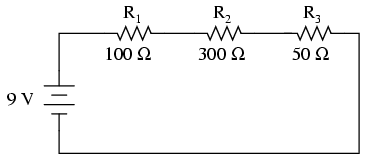


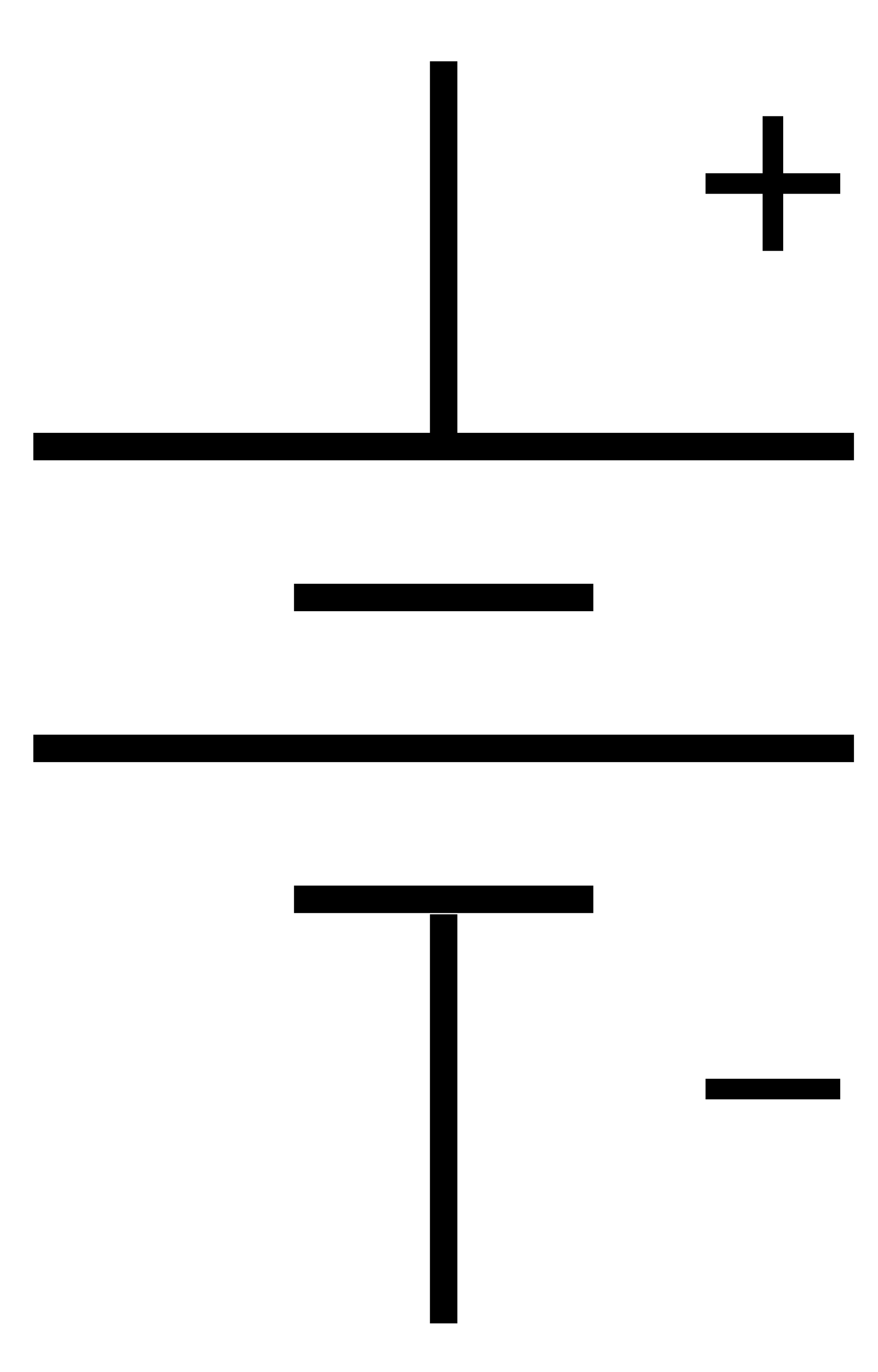
When more light bulbs are added they all remain bright.


Y = OFF
Y = OFF
Y = ON
Y = ON


Battery
Capacitor
Resistor
Inductor
...... is just a coil of wire.
resistor
inductor
capacitor
transistor

When 3 capacitors are arranged in series , the equivalent capacitance C is
Ceq = C1 + C2 + C3
1/Ceq = 1/C1 + 1/C2 + 1/C3
Ceq = QV1 + QV2 + QV3
Ceq = CR1 + CR2 + CR3
When 3 capacitors are arranged in parallel , the equivalent capacitance is
Ceq = C1 + C2 + C3
Ceq = 1/C1 + 1/C2 + 1/C3
C = QV1 + QV2 + QV3
1/Ceq = 1/C1 + 1/C2 + 1/C3
Capacitor stores _______________
Charge
Voltage
Energy
Money.. Lots of money
Charge is measured in_________
Coulombs
Farads
Hz
Volts
Capacitance is measured in___________
Coulombs
Farads
Hz
Volts

