
Font size
 Worksheets
Xylem & Phloem
Total questions: 36
Worksheet time: 24mins
What is it called when water sticks to water?
Cohesion
Adhesion
Capillary Action
Xylem

When the forces of cohesion and adhesion work together, water can move up the plant against the force of gravity by....
Phototropism
Geotropism
Photosynthesis
Capillary Action
water movement through cellulose cell wall without entering protoplast of root cells is called
symplast pathway
vacuolar pathway
apoplast pathway
cellulose pathway
How does water enter a plant?
through the stomata
through the roots
by active transport in root hair cells
by osmosis in root hair cells
How do mineral ions enter a plant?
by osmosis in root hair cells
by active transport in root hair cells
through the stomata
through the roots
Xylem tubes are made of...
Dead cells
Living cells
Phloem tubes are made of...
Dead cells
Living cells
Xylem tubes transport..
Water
Mineral ions
Food substances (e.g. sucrose)
Phloem tubes transport..
Water
Mineral ions
Food substances (e.g. sucrose)
Phloem tubes transport substances in which direction?
Up
Up and down
Xylem tubes transport substances in which direction?
Up
Up and down
Which process are the phloem tubes part of?
Translocation
Transpiration
Which process are the xylem tubes part of?
Translocation
Transpiration
Select which of the following statements are true for phloem.
Bi-directional movement (up and down stem).
Elongated, tubular shape with thin walled sieve tubes.
Transportation of feed and nutrients.
Occupy the centre of the vascular bundle.
Water and mineral transport from roots to aerial parts of the plant.

Recall which of the following form part of the phloem.
Sieve-tube elements
Trachieds
Vessels
Companion cells
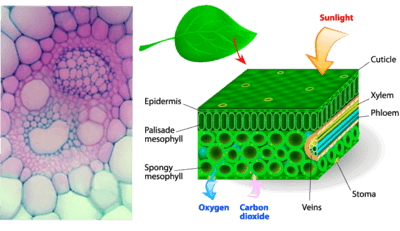
Recall that the movement of food in the phloem is called.
Translocation
Transpiration stream
Evaporation
Respiration
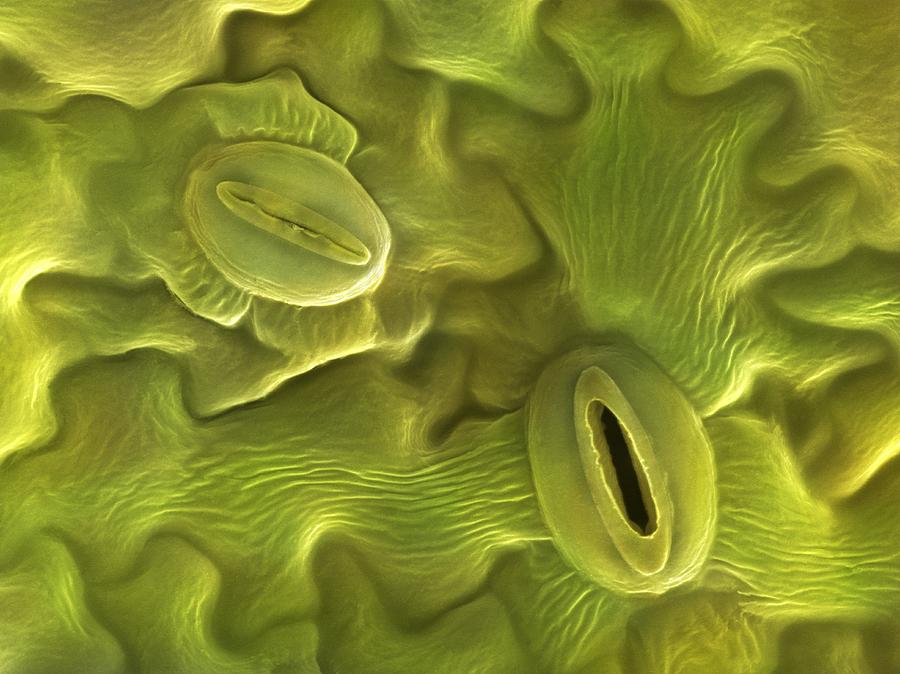

Which statement describes the phloem transport system of plants?
It transports sugar and is lignified
It transports sugar and is not lignified
It transports water and is lignified
Choose the two statements that indicate what would be happening in the plant when stomata are open.
Guard cells are turgid
Guard cells are plasmolysed
Transpiration increase
Transpiration decrease

Why glucose converted to sucrose before translocation occur?
Sucrose is large molecule
Sucrose is non-reducing sugar
Sucrose is reducing sugar
Sucrose is insolluble in water
What is the important of companion cell between source and sieve tube?
Provide glucose for active transport
Provide ATP for active transport
Provide ATP for passive transport
Provide glucose for passive transport
What happen to the osmotic pressure in sieve tube due to high concentration of sucrose?
Increase
Decrease
No change
During translocation, which of the below is NOT correct about hydrostatic pressure in the sieve tube.
Hydrostatic pressure in source is higher than in sink
Hydrostatic pressure in source is lower than in sink
Hydrostatic pressure push the fluid from region with high hydrostatic pressure to lower hydrostatic presure.
Hydrostatic pressure increase due to low osmotic pressure in sieve tube
Structure of phloem consists all below, except?
Sieve tube element
Tracheids
Companion cell
Sieve plate
Which of the following allows transport of substances from a sieve element cell to a companion cell?
sieve plate
plasmodesmata
cell wall
pits
The pressure flow model for phloem translocation states..
that sink strength drives transport in the pholem
that transport in treachery elements is pressure dependent
the water potential gradient in the sieve elements drives transport
the pressure gradient between the sieve elements at the source and the sink drives phloem transport
In an apple tree, it is expected that the sugars produced by the tree would flow from (i)____________ to (ii)__________________.
Choose the option that would correctly fill in the terms in the sentence above.
(i) a leaf (ii) a growing apple
(i) the trunk (ii) a leaf
(i) the roots (ii) a growing shoot
(i) a growing shoot (ii) a leaf

