wayground logo

Free Printable Worksheets

Font size

S
M
L
XL
Worksheets

Ancient Greece Unit Review

Total questions: 80

Worksheet time: 1hrs 20mins

Name
Class
Date
1.
According to the ancient Greek's belief, where did most of their major gods live?
a)
In caves deep underground
b)
In the sea
c)
On Mount Olympus
d)
At Delphi on Mount Parnassus
2.
Ancient Greek culture continues to influence modern:
a)
warfare
b)
music
c)
computer technology
d)
architecture, literature, and drama
3.
What feature if Greek geography encouraged a spirit of independence among its early Greeks?
a)
many peninsulas 
b)
lack of good soil
c)
long coastlines
d)
mountain ranges
4.
Which of the following statements best explains why direct democracy worked in ancient Athens?
a)
The council controlled the work of the assembly
b)
People were paid to take part in government
c)
city-states's populations was small
d)
Free people could vote and hold office
5.
According to the Venn Diagram, how was Sparta differ from Athens?
a)
Sparta citizens had a smaller vote
b)
Sparta had a smaller council
c)
Sparta council had less power
d)
Women were citizens in Sparta
6.
Which statement describes the relationship between Greece's geography and connection to the sea?
a)
The mountains on the mainland forced most Greeks to live along the coast. 
b)
Greece's mountains left little soil for farming, so Greek's went oversea to find food. 
c)
The first Greeks settled on islands
d)
Greece's summers forced many Greeks to give up farming and start fishing
7.
The Greeks were the first to create this form of government.
a)
Republic
b)
Oligarchy
c)
Monarchy
d)
Democracy
8.
Another word for city-state is
a)
polis
b)
country
c)
village
d)
capital
9.
What type of government has a king or queen that holds all the power?
a)
Monarchy
b)
Dictatorship
c)
Direct Democracy
d)
Republic
10.
In Athens, who could vote?
a)
Foreigners
b)
Citizen Adult Males
c)
Citizen Adult Females
d)
Everybody
11.
Is this statement about Sparta, Athens or both of them:  Worship the Greek god and goddesses.
a)
Sparta 
b)
Athens
c)
Both
12.
Because traveling by land in Greece was difficult, what happened as a result?
a)
The Greeks became expert shipbuilders
b)
The Greeks learned how to climb mountains
c)
The Greeks gave up trying to travel
d)
The Greeks took up farming
13.
Who is credited with creating the world’s first democracy?
a)
India
b)
Sumer
c)
Egypt
d)
Athens
14.
Which of the following best describes a representative democracy?
a)
Citizens elect officials to make the laws
b)
All citizens help make the laws
c)
All men, women, and children can vote
d)
Citizens act as judges and lawmakers
15.
What is one prominent feature of Greek architecture?
a)
Sundial
b)
Carved wood
c)
Statues
d)
Columns
16.
Two kings led the government of Sparta. This is an example of what type of government where a
few wealthy people rule?
a)
Democracy
b)
Oligarchy
c)
Anarchy
d)
Tyranny
17.
What did the Athenians value?
a)
Love and friendship
b)
A good army
c)
An organized farm
d)
Wisdom and knowledge
18.
What was the name of the war between Sparta and Athens that lasted 27 years?
a)
Peloponnesian War
b)
War between the States
c)
War of Northern Aggression
d)
Sparta-Athens-Asia conflict
19.
Who were considered citizens in the democracy in Athens?
a)
All men and women
b)
All men
c)
All men born in Athens
d)
All men and women born in Athens
20.
What is the difference between a Direct Democracy and a Representative Democracy?
a)
Direct Democracy has elected officials to lead the country; Representative Democracy everyone has
equal power.
b)
Direct Democracy is when all citizens have equal voting rights; Representative Democracy is when
citizens make all laws, attend assembly and act as judges.
c)
Direct Democracy is when all citizens have equal voting rights; Representative Democracy is when
citizens vote for someone to represent them at assembly.
d)
There is no difference in Direct Democracy and Representative Democracy
21.
What did the Greeks do to appease their gods?
a)
They tore down all of the statues of humans.
b)
They built statues of gods and hung them in the center of the agora.
c)
They built temples and offered sacrifices to the gods and goddesses
d)
They refused to worship the gods and goddesses.
22.
The ruler of all the Greek gods was... 
a)
Poseidon.
b)
Ares.  
c)
Zeus.
d)
Athena.  
23.

Greek has many _________that are like mini countries.

a)

counties

b)

city-states

c)

provinces

d)

parishes

24.

The games held every four years at a festival to honor Zeus were called

a)

Goodwill Games

b)

Marathons

c)

Olympics

d)

Triathlons

25.
A militaristic city-state where boys were trained from an early age to fight.
a)
Athens
b)
Delphi
c)
Corinth
d)
Sparta
26.
Athenian society DID NOT consider educated women as equal to men. 

For instance, women COULD NOT participate in political activities or own property, and they were always under the care of a male family member.
a)
True
b)
False
27.
Even in a democracy like Athens, slavery WAS common.
Most Athenian households had at least one enslaved person. 
a)
True
b)
False
28.

Valued the military

a)

Athens

b)

Sparta

c)

Aristotle

d)

Peloponnesian

29.

Where was culture BORN?

a)

Greece

b)

Europe

c)

Fertile Crescent

d)

Rome

30.

Slaves had SOME rights in....

a)

Sparta

b)

Athens

c)

neither

31.

The Greeks believed in Jesus.

a)

True

b)

False

c)

Only on Sundays

32.

The Greek city-states were all dependent on each other and were all under the same government.

a)

true

b)

false

33.

How did geography influence Greece?

a)

Mountains hindered communication, unification, & caused growth of independent city-states

b)

Sea ports encouraged trade

c)

poor farmland led to few crops encouraged them to colonize

d)

All of the other answers are the influences of geography on Greece

34.

What type of art were the Greeks most known for producing?

a)

Landscape paintings

b)

Realistic sculptures

c)

Stained glass

d)

Portrait paintings

35.
Which goddess was the Parthenon dedicated to?
a)
Athena
b)
Hera
c)
Pandora
d)
Persephone
36.
What was the Parthenon made out of?
a)
Wood
b)
Marble
c)
Bricks
d)
Gold
37.
What was the statue of Athena in the Parthenon made of?
a)
Bronze
b)
Wood and Ivory
c)
Gold
d)
Silver
38.
What caused the center of the Parthenon to be blown out?
a)
An explosion
b)
A bomb
c)
A natural disaster
d)
An earthquake
39.
What were the three styles of Greek columns called?
a)
Pandora, Achilles, and Zeus
b)
Doric, Zeus, and Hera
c)
Doric, Ionic, and Corinthian
d)
Ionic, Corinthian, and Polyphemus
40.

Where were the Olympics held in the Ancient Games?

a)

Olympia

b)

Crete

c)

Russia

d)

China

41.

Who could compete in Ancient Greece?

a)

Women

b)

Men from Any Country

c)

Slaves

d)

Greek Men Only

42.

When were the first Olympic Games?

a)

775 BCE

b)

777 BCE

c)

776 BCE

d)

773 BCE

43.

In which way were the Olympics originally held?

a)

A Festival to Honor Apollo

b)

As a Religious Festival

c)

A Fun Way to Compete in Sports

d)

As A Food Festival

44.

The winner of the Ancient Greece Games received which of the following?

a)

A gold medal

b)

The elimination of their taxes for the next 5 years

c)

A crown of Olive leaves, made from the sacred tree of Zeus

d)

A crown of Olive leaves, made from the sacred tree of Poseidon

45.

The Pankration was an event held in Ancient Greece. Select all the following that are true about this event:

a)

It was a mixed martial art between boxing and wrestling.

b)

The Pankration had many rules and restrictions that had to be followed when fighting.

c)

Individuals who fought were covered in oil.

d)

To surrender, individuals had to raise their index finger. Many times, they died before they were able to do this.

46.

One of the main similarities between the Ancient Greece Olympics and the Olympics today is that...

a)

The Olympics are held every four years.

b)

Each time the Olympics are held, they are located in a different nation.

c)

Competitors only come from one area of the world.

d)

Women can not compete in the Olympics.

47.

Women were able to compete in the Olympics in Ancient Greece.

a)

True

b)

False

48.
Stories that portray Greek Gods and goddesses are called 
a)
essays
b)
fables
c)
histories
d)
myths
49.
Helots were 
a)
citizens
b)
oligarchs
c)
slaves
d)
merchants
50.
The Spartans conquered their neighbors and forced them to become 
a)
helots
b)
colonists
c)
soldiers
d)
tyrants
51.
Spartan boys lived in military houses called
a)
acropolises 
b)
agoras
c)
barracks
d)
stoas
52.

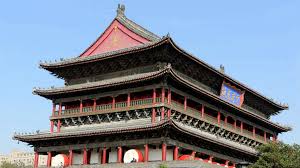
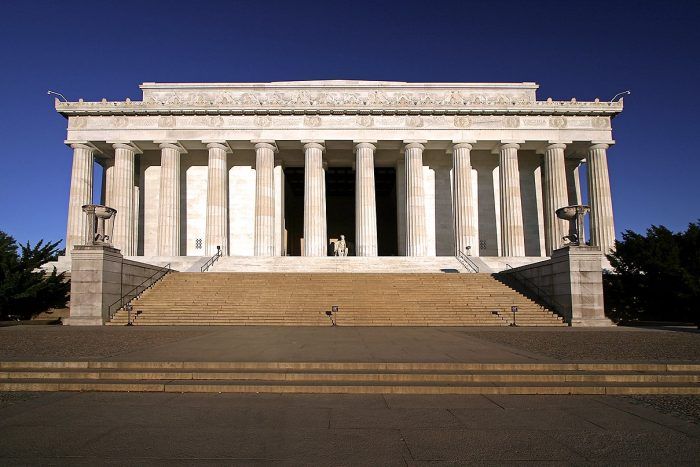
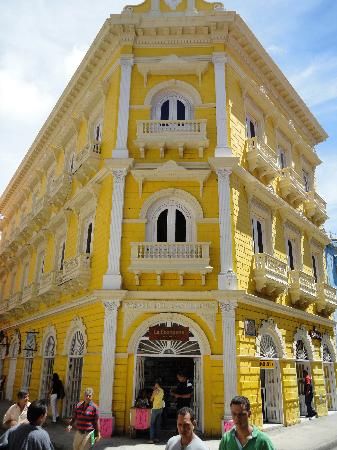
Which would be an example of Greek architecture?
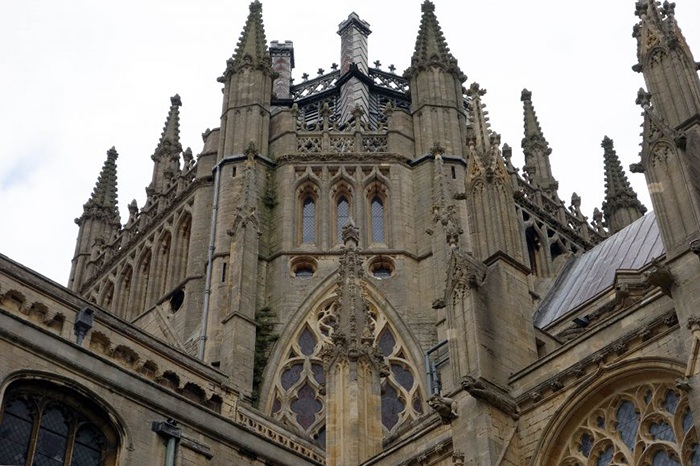
a)
b)
c)
d)
53.

Who is the Greek god of the seas?

a)

Zeus

b)

Hades

c)

Poseidon

d)

Hermes

54.

Which Greek god/goddess were twins?

a)

Aphrodite and Athena

b)

Apollo and Artemis

c)

Ares and Athena

d)

Zeus and Hades

55.
A myth is...
a)
a traditional story that explains the practices or beliefs of a people, or something in the natural world
b)
a government by the people
c)
an absolute ruler unrestrained by law
d)
a story meant to teach a lesson
56.
Which continent is Greece located on?
a)
Antarctica
b)
North America
c)
Europe
d)
South America
57.

In what way was Greek mythology unique from other early religions?

a)

Had no temples or places of worship

b)

Provided no understanding about the world 


c)

Celebrated gods that had human traits


d)

Preached the belief in one god

58.

This type of Greek column is known as:

a)

Doric

b)

Ionic

c)

Corinthian

d)

Hellenistic

59.

Classical civilizations like Greece and Persia differed from the very early river civilizations because they used:

a)

gold and silver coins

b)

writing systems

c)

complex tools

d)

slaves

60.
The city-state where boys, at the age of 7, would start hardy soldier training
a)
Athens
b)
Sparta
c)
Delphi
d)
Olympia
61.
What contributions did the Ancient Greeks have to our modern society?
a)
Art & Architecture
b)
Literature & Drama
c)
Science & Mathematics
d)
All of the contributions mentioned
62.
Which of Zeuses sisters got married to him?
a)
Hera
b)
Hestia
c)
Demeter
63.
Which of Zeus brothers ruled the underground?
a)
Hades
b)
Poseidon
64.
What was Zeuses fathers/mothers name?
a)
Cornus/Rhea
b)
Rhea/Cornus
c)
Cornus/Heta
65.
What was Zeuses Roman name?
a)
Jupiter
b)
Jona
c)
June
d)
Juno
66.
Apollo is the god of what?
a)
Music,poetry,light,prophecy,medicine
b)
war,battle,beauty
67.

Goddess of fertility, agriculture, grain, and harvest

a)

Demeter

b)

Psyche

c)

Pandora

d)

Hestia

68.

god of seas, earthquakes, and horses

a)

Hephaestus

b)

Apollo

c)

Dionysus

d)

Poseidon

69.

goddess of war, wisdom, and craft

a)

Athena

b)

Artemis

c)

Pandora

d)

Persephone

70.

god of war

a)

Ares

b)

Zeus

c)

Hephaestus

d)

Hades

71.

goddess of the hunt and wild animals

a)

Athena

b)

Pandora

c)

Psyche

d)

Artemis

72.

messenger of the gods

a)

Hermes

b)

Hephaestus

c)

Dionysus

d)

Poseidon

73.

goddess of love and beauty

a)

Aphrodite

b)

Psyche

c)

Artemis

d)

Hera

74.
Which gender was more valued in a Greek family? Why?
a)
Females - They did household activities.
b)
Males - They became warriors. 
c)
Females - They taught the children in the home. 
d)
Males - They could become citizens of the city state. 
75.
What was the purpose of education in Ancient Greece?
a)
To create males that could join the military. 
b)
To create good citizens that were able to run the government.
c)
To create females that knew how to do household chores.
d)
To create people who believed in the Greek gods. 
76.
What did the greeks believe about the color of their skin?
a)
Pale skin was more beautiful because it was a sign of wealth.
b)
Tan skin was beautiful. 
77.
How was a groom chosen for his bride?
a)
The mother of the bride chose the groom. 
b)
The bride chose the groom. 
c)
The groom's family chose the bride.
d)
The bride's father chose the groom. 
78.
How old were the bride and groom?
a)
The groom was 30 and the bride was 14 or 15. 
b)
The bride was 25 and the groom was 30. 
c)
The bride was 30 and the groom was 30. 
d)
The bride was 20 and the groom was 25. 
79.

Which sentence best describes education in Sparta?

a)

Children did not learn to read.

b)

Children studied sculpture and painting.

c)

Both boys and girls got military training.

d)

Both boys and girls learned to cook and clean.

80.

Athens had a _______________ democracy, while the United States has a _______________ democracy.

a)

good; bad

b)

direct; representative

c)

small; big

d)

representative; direct