
NEW
Font size
 Worksheets
Natural Selection
Total questions: 38
Worksheet time: 43mins
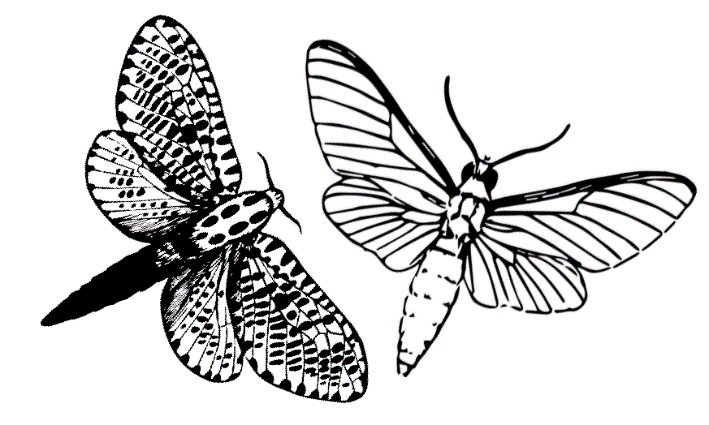
According to natural selection, light colored tree trunks would favor
light colored moths
dark colored moths
red colored moths
red and light colored moths
Genetic diversity in a species makes long term survival of some members
impossible
improvable
more likely
less likely
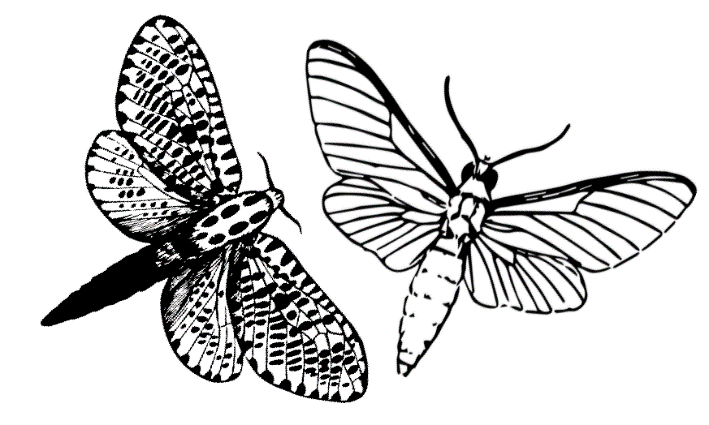
A physical trait favored by an environmental change can be called an
adaptation
extinction
possibility
mutation
Natural Selection is driven by a change in the environment and survival of the
Earth
Fastest
Fittest
Biggest
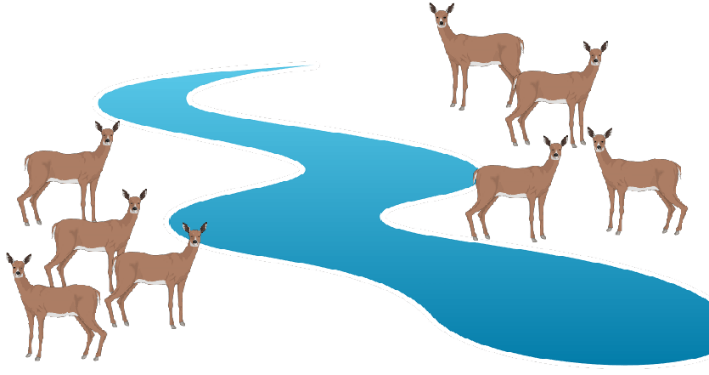
Two populations of the same species are separated by land barriers like rivers or mountains.
geographical isolation
temporal isolation
adaptive ratiation
behavioral isolaton
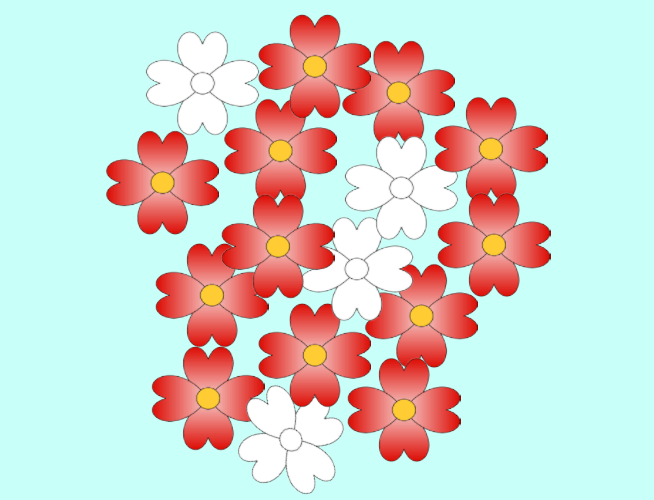
The frequency that single genes (alleles) for a trait appear in a population.
Genome
Gene frequency
Genetic Drift
Population Frequency
Darwin observed many finch species on the Galapagos Islands. To explain these observations, he
proposed that each species evolved from the same common ancestor, which was a finch species
that migrated to the islands from the mainland. What additional evidence did Darwin use to support
his explanation?
The finch populations were very numerous, and different species often bred with one another.
The finch species lived in different habitats on different islands, which isolated them from one another.
The finch species were distributed evenly among all of the islands, but did not interbreed.
The beaks of the finches were identical, allowing them to eat the same foods on any of the islands.
A population of rabbits grows rapidly from one year to the next. Then one year, a disease strikes approximately one fourth of the adult rabbits. The disease remains with the population in the years that follow.
As explained by Darwin’s theory, which of these conditions allows the rabbit population to evolve by natural selection?
The disease affects adult and juvenile rabbits equally.
The disease reduces the ability of the rabbits to reproduce.
Some rabbits are resistant to the disease, and they pass the resistance to their offspring.
No rabbits are resistant to the disease, and all die when the disease strikes them.
Which of the following is a situation that could cause evolutionary change that is NOT due to natural selection?
A volcano erupts and kills many individuals in a population.
A mutation produces sea stars that are less visible to predators.
An insecticide is sprayed in a community to combat mosquitoes.
Cattle are treated with antibiotics to prevent the spread of infections.

The graphs below show the changes in crab color at one beach.
Which of the following is most likely to have caused the change in the distribution?
A new predator arrived that preferred dark-tan crabs.
A new predator arrived that preferred light-tan crabs.
A change in beach color made medium-tan crabs the least visible to predators.
A change in beach color made medium-tan crabs the most visible to predators.

The figure shows how natural selection of a single-trait gene affects lizard survival.
Which of the following most likely causes the changes in allele distribution?
The allele for light gray coloration disappears from the population. This may be because light gray lizards are more visible to predators and therefore they might be less likely to survive and reproduce.
The allele for black coloration decreases fitness and becomes less common. This may be because black coloration keeps the lizards cool during hot summer temperatures.
Medium gray coloration in lizards appears to be a neutral mutant allele that allows the lizards to hide better from predators. This leads to increases in phenotype and allele frequency of gray coloration.
Because black and medium gray lizards are less visible to predators, these alleles are neutral to natural selection and therefore will not disappear from the population of lizards.
Which of the following best illustrates natural selection?
An organism with favorable genetic variations will tend to survive and breed successfully.
A population monopolizes all of the resources in its habitat, forcing other species to migrate.
A community whose members work together utilizing all existing resources and migratory routes.
The largest organisms in a species receive the only breeding opportunities.
Which of the following is NOT part of the that mechanisms of natural selection?
Organisms produce more offspring than can survive.
Disease and natural disaster will limit population growth.
Species today descended with modifications from ancestral species.
Organisms with advantages will survive and reproduce.

What is the most likely explanation of the data shown below?
There has been a drought in the area that is affecting all life forms.
The population of natural predators of the moths has gotten smaller.
The moths are living in an environment with light trees.
The moths are living in an environment with dark trees.

Which of the following statements best describes what will most likely occur to the moth populations in the image above?
The light moths will be captured by predators more easily than the dark moths, and the population of dark moths will rise.
The light moths will be captured by predators more easily than the dark moths, and the population of light moths will rise.
The dark moths will be captured by predators more easily than the light moths, and the dark moths will probably go extinct.
The light moths will change their wing color to match that of the dark moths.

The pair of population graphs below display the results of two different five-year hunting cycles, one on light trees and one on dark trees. The population of light-colored moths is shown by the light gray dots, and the population of dark moths is shown by the dark gray dots. How do these results demonstrate natural selection?
The moth populations shown here demonstrate random fluctuations over time that are not explained by tree color.
On light trees, individual moths tried to become lighter in color to match the tree background. On dark trees, individual moths tried to become darker in color.
The moths that were the same color as their background were more likely to survive and reproduce. Over time, the populations of these well-adapted moths increased.
Small particles of tree bark became embedded in the moth’s wings, causing the moths to become darker on the dark trees and lighter on the light trees. These acquired traits were then passed down to the next generation of moths, causing the populations to change color over time.
Suppose a certain species of insect lives in the lush green canopy of the rain forest. Some of the insects are bright green in color, and some are bright yellow. Assume there is a natural predator of the insect in the area. What do you expect to happen to the populations of the green and the yellow insects over time?
The green insect population will increase and the yellow insect population will decrease.
The green insect population will decrease and the yellow insect population will increase.
Both insect populations will remain constant over time.
Both insect populations will increase over time.
Genetic mutations are the direct cause of which of the following?
Aliens
Super heroes
Variations
8th grade behaviors

If Easter eggs were living species of organisms, their different colors would be considered:
Adaptations
Variations
Different species
Extinct species

What animal is camouflaged in this picture?
Skunk
Squirrel
Owl
Snake

Where are hereditary traits stored in all organisms?
In the blood
In the brain
In the DNA
In the heart
Why might it be helpful for a species to have a lot of variations?
They can't be seen by predators
If the environment changes, they might be better able to adapt
It is helpful in asexual reproduction
They don't recognize each other

If a sick person takes an antibiotic but it doesn't kill all of the bacteria causing the sickness, what might explain this?
Variations in the bacteria allowed some organisms to be less affected by the antibiotic?
Bacteria cannot be killed by antibiotics
You cannot cure a bacterial infection
Bacteria do not cause sicknesses

Changes in inherited characteristics can cause a species to change into a new one. This change over time is called?
Graduation
Selective Breeding
Revolution
Evolution

Emus are found in Australia, Ostriches are found in Africa. They evolved separately to fill similar niches. This is a prime example of
Geographic isolation
Psuedoevolution
Pangea
Continental drift
Another term for Natural Selection is:
Breeding
Commensulism
Communism
Survival of the fittest
A species could go extinct if:
food becomes more plentiful.
members of the species have adaptations to enhance survival.
the environment changes drastically and no one can adapt.
there is less competition for resources.
Natural selection occurs during the lifetime of a single organism.
True
False

What type of environment do you think this data was collected from?
forest with primarily white-bark trees
forest with primarily dark-bark trees
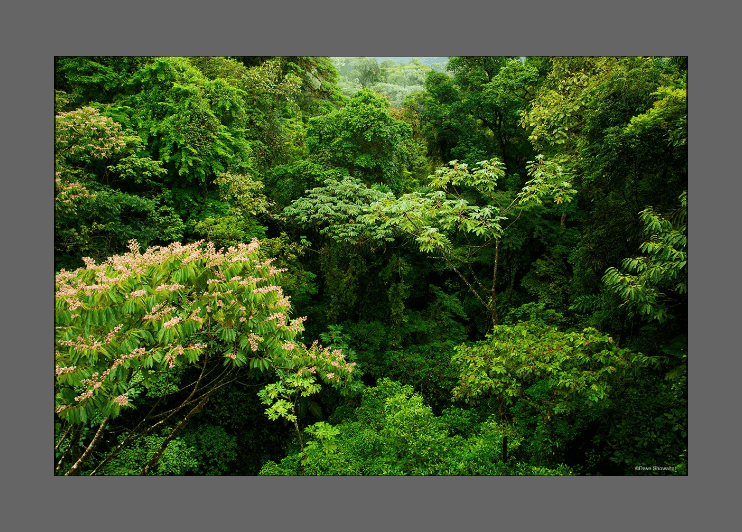
A yellow morph and green morph of an insect lives in the rainforest canopy. You would expect:
the green population to increase and the yellow to decrease
both populations should stay the same
both populations will increase
the green population to decrease and the yellow to increaseThis is a wrong answer
TRUE or FALSE: Natural selection will still occur if each individual has the same exact traits
TRUE
FALSE
How do you "win" at natural selection?
survive
go extinct
survive & reproduce

Due to pollution, a pond becomes darker over time. Which trait variation became more common?
light fish
dark fish

