wayground logo

Free Printable Worksheets

NEW

Font size

S
M
L
XL
Worksheets

ecology kremer

Total questions: 71

Worksheet time: 1hrs 2mins

Name
Class
Date
1.

Which of the following photosynthesize?

a)

producers

b)

consumers

c)

decomposers

d)

none of the above

2.

What do most plants need for photosynthesis to occur?

a)

carbon dioxide, water, and sunlight

b)

oxygen, water, and sunlight

c)

oxygen, carbon dioxide, and water

d)

food, water, and sunlight

3.

The category of decomposers includes:

a)

fungi and bacteria

b)

fungi and plants

c)

animals and plants

d)

none of the above

4.

A food web shows the flow of ____ through an ecosystem.

a)

consumers

b)

energy

c)

populations

d)

none of the above

5.

Ronnie decides to release her pet mouse into the woods behind her house. The possible tradeoffs of her decision include: A. her mouse may die in its new habitat B. she may have introduced a new species into the woods C. both A and B D. there are no trade-offs associated with her decision

a)

a

b)

b

c)

c

d)

d

6.

Decomposers:

a)

convert the sun’s energy into energy stored as food

b)

convert the sun’s energy into energy stored as food

c)

eat other living organisms for energy

d)

break down dead and waste matter

7.

Which of the following may affect the size of a fish population? A. availability of oxygen B. pollution C. both A and B D. none of the above

a)

a

b)

b

c)

c

d)

d

8.

Which of these processes requires the direct input of sunlight to occur?

a)

photosynthesis

b)

decomposition

c)

population fluctuation

d)

predation

9.

A new species of fish has been introduced into Lake Hiawatha. This fish eats minnows, a smaller fish that already live in the lake. What is most likely to happen to the population of minnows in Lake Hiawatha?

a)

it will increase

b)

it will decrease

c)

it will stay the same

d)

it will first increase, then decrease.

10.

A new species of fish has been introduced into Lake Hiawatha. This fish eats minnows, a smaller fish that already live in the lake. What is most likely to happen to the population of the new species of fish in Lake Hiawatha?

a)

it will increase

b)

it will decrease

c)

it will stay the same

d)

it will first decrease, then increase

11.

A new species of fish has been introduced into Lake Hiawatha. This fish eats minnows, a smaller fish that already live in the lake. The new species of fish has added another ____ to the lake.

a)

producer

b)

decomposer

c)

consumer

d)

none of the above

12.

A new species of fish has been introduced into Lake Hiawatha. This fish eats minnows, a smaller fish that already live in the lake. The introduction of this new species of fish into Lake Hiawatha provides an example of:

a)

competition

b)

population fluctuation

c)

predation

d)

a trade-off

13.

You decide you no longer want your exotic pet frog. The best way to deal with your unwanted frog is to:

a)

leave it near a local pond

b)

return it to the pet store

c)

let it go free in your backyard

d)

all of the above are good options

14.

Which statement best describes an important difference between plants and animals?

a)

Plants get food from the soil while animals get food by eating other organisms.

b)

Animals are alive but plants are not

c)

Plants use carbon dioxide from the air and water to make their own food while animals get food by eating other organisms.

d)

Animals are made of cells but plants are not.

15.

Which of the following is NOT an example of a producer

a)

rose bush

b)

grasshopper

c)

apple tree

d)

wheat

16.

In order to survive, most organisms have specific requirements related to:

a)

warmth

b)

space

c)

light

d)

all of the above

17.

The role of producers in an ecosystem is to:

a)

convert the sun’s energy into energy stored as food

b)

convert other organisms into energy

c)

eat other living organisms for energy

d)

break down dead and waste matter

18.

Relationships in ecosystems are best represented by:

a)

chains

b)

webs

c)

ribbons

d)

circles

19.

The word “ecosystem” refers to:

a)

the physical environment

b)

living organisms

c)

living organisms and the physical environment

d)

living organisms in the laboratory

20.

Which of the following statements is TRUE? A. you can always predict what will happen when you release a new species into the wild B. new species will always add to the biodiversity of an area C. both A and B D. none of the above

a)

a

b)

b

c)

c

d)

d

21.

The main reason some introduced species survive and overpopulate an area is that:

a)

) there are few natural predators in the area

b)

there is not enough food for other organisms

c)

most organisms can survive in new habitats

d)

people feed them

22.

Which of the following is a population?

a)

all of the animals in the same phylum

b)

all of the garden snails that live in a specific garden

c)

all of the species of plants and animals that live in a forest

d)

none of the above

23.

Every organism requires a certain amount of water, oxygen, and food. The natural environment that meets the needs of an organism is called its ____.

a)

ecosystem

b)

population

c)

substrate

d)

habitat

24.

Which Biome has the most average rainfall every year

a)

freshwater

b)

Desert

c)

Tundra

d)

Tropical rainforest

25.

What is a characteristic of the marine Biome

a)

includes oceans, and coral reefs

b)

includes lakes and rivers

c)

contains raccoons

d)

contains cedar trees

26.

What is a threat of the Tundra Biome

a)

clearcut logging

b)

Oil, gas, and mining industries can disrupt

c)

commercial fishing

d)

clear cutting

27.

What phyla are Vertebrates classified as?

a)

flatworms

b)

arthropods

c)

cnidaria

d)

chordates

28.

an animal of a large group distinguished by the possession of a backbone or spinal column, including mammals, birds, reptiles, amphibians, and fishes is known as a

a)

invertebrate

b)

vertebrate

c)

amphibian

d)

annelid

29.
The living part of an ecosystem
a)
Biotic
b)
Abiotic
c)
Mother Earth
d)
Flowers
30.
The non-living part of an ecosystem
a)
Ocean
b)
Lava Flow
c)
Birds
d)
Abiotic
31.
The study of how living things interact with one another and with their environment.
a)
Biology
b)
Lithology
c)
Ecology
d)
Farmacology
32.
Which one is NOT an example of a decomposer?
a)
mushroom
b)
leaves
c)
mold
d)
worm
33.
Examples of a producer
a)
frog
b)
algae
c)
worm
d)
mouse
34.
Example of a decomposer
a)
fungus
b)
mouse
c)
plants
d)
frogs
35.
A tree is a ....
a)
composer
b)
decomposer
c)
producer
36.
What is a herbivore?
a)
an animal that gets energy from eating other animals
b)
an organism that gets energy from eating only plants
c)
an animal that gets energy by eating both plants and other animals
d)
an animal that eats only herbs
37.
What is a carnivore?
a)
an animal that gets energy by eating other animals
b)
An animal that gets energy by eating only plants
c)
an animal that gets energy by eating both plants and animals
d)
an animal that makes its own energy through photosynthesis
38.
An animal that gets energy from eating both plants and animals is a 
a)
herbivore
b)
carnivore
c)
omnivore
d)
autotroph
39.
The shrew provides energy for the _______?
a)
cricket
b)
grasshopper
c)
frog
d)
snake
40.
Which of the following is a herbivore?
a)
cricket
b)
frog
c)
hawk
d)
shrew
41.
Where do all life forms get their energy?
a)
Earth's Core
b)
Water
c)
Plants
d)
The Sun
42.
What is this called?
a)
Food Web
b)
Food Chain
c)
Abiotic Factors
43.
What is this called?
a)
Food Web
b)
Food Chain
c)
Abiotic Factors
44.
All food chains begin with a ____________.
a)
primary consumer
b)
secondary consumer
c)
producers
d)
scavengers
45.
All food chains begin with a ____________.
a)
primary consumer
b)
secondary consumer
c)
producers
d)
scavengers
46.
An animal that eats other animals is a....
a)
carnivore
b)
omnivore
c)
herbivore
d)
decomposer
47.
The image provided is an example of a:
a)
Producer
b)
Heterotroph
c)
Consumer
d)
Decomposer
48.
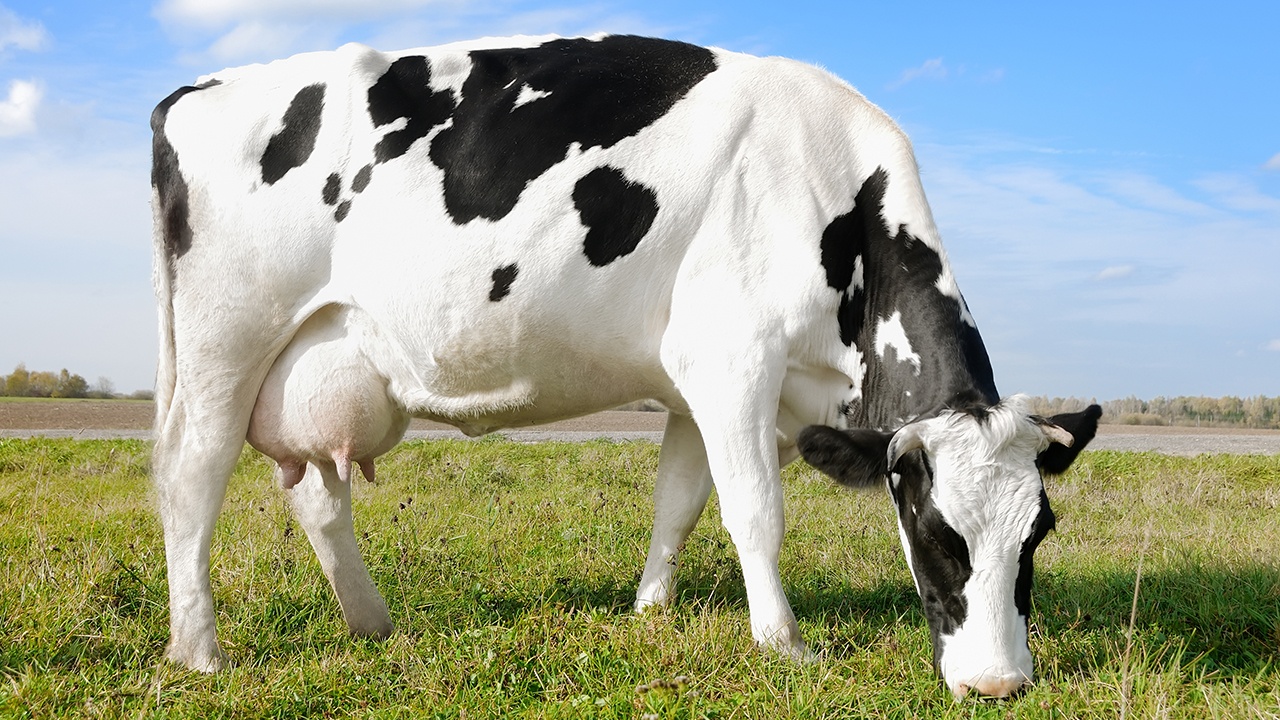
The image provided is an example of a(n):
a)
Autotroph
b)
Carnivore
c)
Herbivore
d)
Decomposer
49.
What may happen if the snowshoe hare was removed from the food web pictured?
a)
The insects in the habitat would increase.
b)
The shrew population would decrease due to being only hawk food source.
c)
The willow tree population would decrease.
d)
Foxes would dies due to no food source. 
50.
In the energy pyramid here, how much of the energy in the producers gets passed to the herbivores?
a)
10%
b)
20%
c)
80%
d)
90%
51.
Which of the following leads to a decrease in biodiversity?
a)
protection of ecosystems
b)
pollution control
c)
selective cutting
d)
introduction of exotic or invasive species
52.
The rabbit in this food web would be considered a:
a)
Decomposer
b)
Producer
c)
Secondary Consumer
d)
Primary Consumer
53.
What is the term for each step in the transfer of energy and matter within a biological community?
a)
energy path
b)
food web
c)
trophic level
d)
food pyramid
54.
The amount of energy that usually transfers from one trophic level to the next...
a)
10%
b)
20%
c)
80%
d)
50%
55.
The nonliving aspects of an ecosystem.
a)
Abiotic factors
b)
Biotic factors
56.
As you move upward, from level to level, in an energy pyramid, energy _____.
a)
increases
b)
decreases
c)
stays the same
d)
increases exponentially
57.
The animal species shown above would most likely be found wild in which of the following biomes?
a)
grassland
b)
temperate forest
c)
tropical rainforest
d)
arctic tundra
58.
The taiga biome that covers most of Alaska is pictured above.  Which of the following only lists biotic factors that can be found in this ecosystem?
a)
freezing temperatures, low precipitation, bogs, and acidic soil
b)
owls, poor soils, moss, and caribou
c)
moss, aspen trees, weasels, and raccoons
d)
birch trees, short summers, lichen ground cover, and bears
59.
A farmer plants two species of grass with similar nutrient needs on the same small plot of land.  What kind of interaction will most likely occur between the two species?
a)
parasitism
b)
competition
c)
commensalism
d)
mutualism
60.
Grazing cows disturb the grass and cause insects to fly around the cows as they eat. In turn, birds swoop in and eat the insects. This type of feeding relationship is an example of
a)
commensalism.
b)
mutualism.
c)
parasitism.
d)
predation.
61.
In a simple food chain, small fish eat algae; bigger fish eat the smaller fish; bears eat the bigger fish. 
Using the above scenario, which of these would have the largest amount of energy?
a)
algae
b)
bears
c)
big fish
d)
small fish
62.
Members of a species in a defined area
a)
Ecosystem
b)
community
c)
biodiversity
d)
population
63.

Which one is not a consumer?

a)

anemone

b)

bear

c)

shark

d)

vulture

64.
What are the Abiotic factors in this image? 
a)
water, sunlight, dirt, air
b)
birds and plants
c)
birds, water, dirt
d)
plants, water
65.
relationship in which two species live closely together
a)
resource
b)
mutualism
c)
succession
d)
symbiosis
66.
A living relationship between two species in which one organism is harmed is called...
a)
mutualism
b)
commensalism
c)
parasitism
d)
niche
67.
symbiotic relationship in which both organisms benefit
a)
competition
b)
Mutualism
c)
nitrogen fixation
d)
energy pyramid
68.
which symbiosis is this 
a)
parasitism 
b)
mutualism
c)
commensalism
d)
nonalism 
69.

The largest population an area can support is the areas

a)

Limiting Factor

b)

Birth Rate

c)

Death Rate

d)

Carrying Capacity

70.

What would happen if a drought occurs and kills off most of the grass?

a)

populations of all levels of consumers would decrease

b)

primary consumers would have to adapt to eating each other

c)

primary consumer would die then 2nd consumers would eat them

d)

only population of the 2nd & higher consumers would decline

71.

What is the job of the decomposers?

a)

They are necessary part of the diet of most consumers.

b)

Convert plant material into a form that 1st consumers use

c)

make resources by breaking down waste materials

d)

extract energy from sunlight