
 Worksheets
Civics Q3 Review
Total questions: 53
Worksheet time: 36mins
Basic liberties and rights of citizens
Federalism
Individual Rights
Limited Government
republicanism
The Judicial Branch does what?
Interprets the laws
Makes the laws
Enforces the laws
The Legislative Branch does what?
Makes the laws
Interprets the laws
Enforces the laws
This amendment provides for freedom from self-incrimination and freedom from being tried for the same crime twice. Its due process clause is often referenced, and appears again in the 14th amendment.
3rd
6th
10th
5th
What are the TWO types of court systems in the U.S.? (Select TWO answers)
Federal
Universal
State
International
What is the job of an appellate court?
to automatically overturn the original ruling
to select cases for the Supreme Court
to uphold the original ruling no matter what
to review an original case for a mistake
Who appoints Supreme Court Justices?
The Vice President
The Speaker of the House
Congress
The President
What are the TWO reasons it's difficult to get a case all the way to the Supreme Court?
has to go through the appeals process first
has to affect at least 5 different states
has to wait for a period of 5 years while the Justices review the case
the Supreme Court gets to choose their cases
The Supreme Court has the power of Judicial Review. What is Judicial Review?
when the Supreme Court decides if a law is unconstitutional or not
when the Supreme Court creates a new law
when the Supreme Court enforces the laws of the Legislative Branch
when the Supreme Court vetoes a Bill from Congress


Who are the leaders of the executive departments who advise the president?
President
Legislative Branch
Parliament
Cabinet
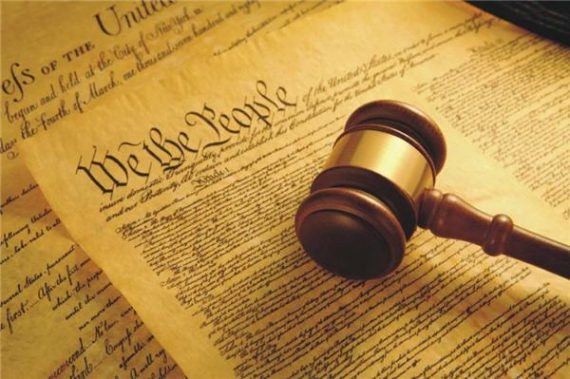
What is it called when the U.S. Supreme Court decides whether something is legal or illegal (unconstitutional)?
supreme court review
due process
segregation
judicial review

Suspects cannot be questioned (interrogated) until they are informed of their rights (right to remain silent, right to an attorney, etc.)
Brown v Board of Education
Miranda v Arizona
Tinker v Des Moines
Bush v Gore
Established the Supreme Courts power of “Judicial Review” to see if laws are Constitutional / Unconstitutional. (Judicial Branch interprets the laws)
Marbury v Madison
Hazelwood v Kuhlmeier
In Re Gault
District of Columbia v Heller
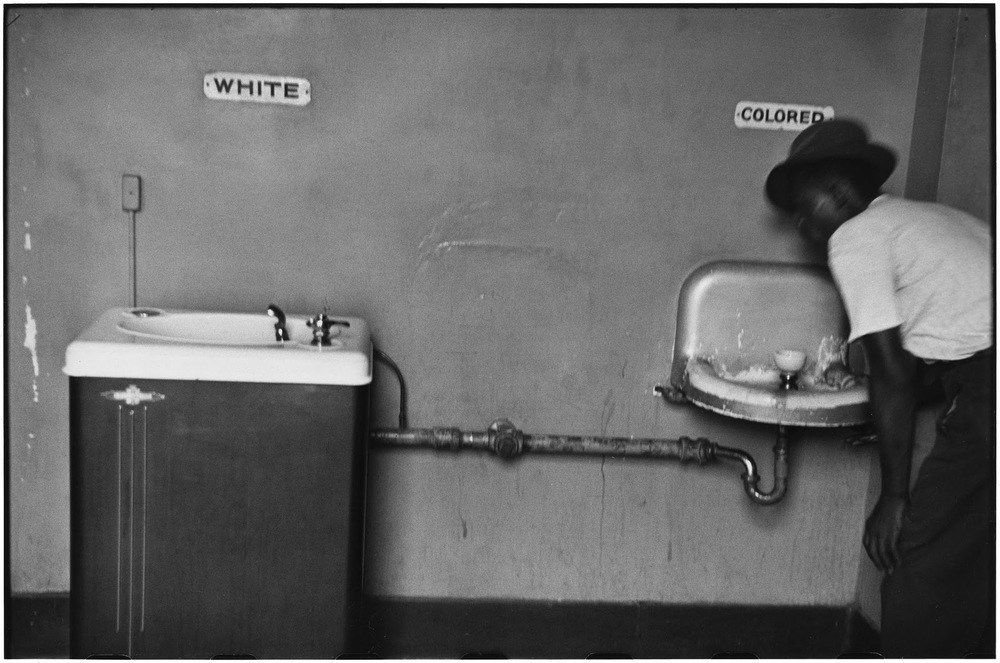
Established “Separate but Equal”, which provided separate public facilities for both whites and blacks as long as they were equal.
District of Columbia v Heller
In Re Gault
Brown v Board of Education
Plessy v Ferguson
A person accused of a crime no matter how poor has the right to an attorney during trial. Enforces the 6th Amendment.
Tinker v Des Moines
Gideon v Wainwright
Miranda v Arizona
United States v Nixon
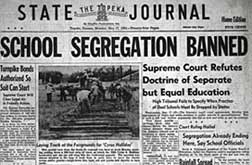
Ruled that “Separate but Equal” was Unconstitutional.
Hazelwood v Kuhlmeier
Marbury v Madison
Plessy v Ferguson
Brown v Board of Education
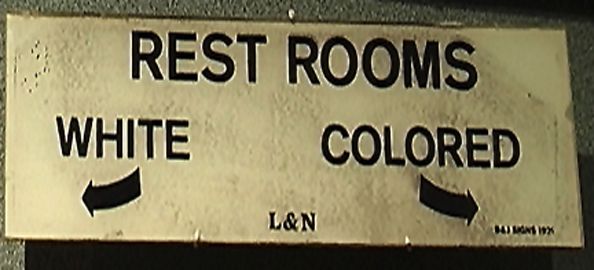
Legal or social separation of races.
Segregation
Lobbying
Boycotting
Freedom of speech, press, petition, religion, and assembly.
Amendment 1
Amendment 2
Amendment 3
Amendment 4
Right to bear Arms
Amendment 5
Amendment 8
Amendment 2
Amendment 4
No search and seizure of people, property, or homes unless a warrant is issued with probable cause.
Amendment 19
Amendment 4
Amendment 7
Amendment 10
A person cannot be tried or act as a witness against oneself and cannot be tried for the same crime twice.
Amendment 4
Amendment 18
Amendment 5
Amendment 21
The right to a public and speedy trial by a jury of their peers.
Amendment 7
Amendment 6
Amendment 8
Amendment 15
Which Amendments were passed as a result of the Civil War
13-15
1-10
18-21
The 13th Amendment ended which practice in the United States
Slavery
Women's Suffrage
Poll Tax
Government Tyranny
Which Amendments are known as the Bill of Rights
1-10
13-15
18-21
11-19
Which amendment guarantees citizenship to a person born in the United States?
Amendment 13
Amendment 19
Amendment 14
Amendment 1
Which Amendment states voting cannot be discriminated against based on a person's race or background?
Amendment 13
Amendment 19
Amendment 9
Amendment 15
How many Amendments are there to the Constitution?
26
30
27
28
It is difficult to amend the constitution because the framers wanted to make sure _____.
changes were only made when absolutely necessary
no one ever changed the Constitution
hardly anyone got a say
the President got all the say
What is the amount of votes needed in Congress for the proposal of an amendment?
1/4 of congress
2/9 of congress
3/4 of congress
2/3 of congress
What is the amount of states needed to ratify an amendment?
3/4 of states
2/3 of states
1/16 of states
11/50 of states

