Wayground logo

Free Printable Worksheets

Font size

S
M
L
XL
Worksheets

.3 Unit 7 Chemical Reactions Review

Total questions: 82

Worksheet time: 2hrs 40mins
Name
Class
Date
1.
Identify Gallium Sulfate
a)
GaSO4
b)
Ga2(SO4)3
c)
Ga3(SO4)2
d)
Ga2SO4
2.
What is the name of K3PO4?
a)
Tripotassium Phosphate
b)
Tripotassium Phosphite
c)
Potassium phosphide
d)
Potassium phosphate
3.
What is the name of Al(NO3)3?
a)
Aluminum trinitrate
b)
Monoaluminum nitrate
c)
Aluminum (III) nitrate
d)
Aluminum Nitrate
4.
What is the name of Mg(OH)2?
a)
Magnesium Hydride
b)
Magnesium Dihydride
c)
Magnesium Dihydroxide
d)
Magnesium Hydroxide
5.
The substances listed on the right side of a chemical equation are the
a)
Yields
b)
Reactants
c)
Products
d)
Precipitates
6.
The substances listed on the left side of a chemical equation are the
a)
Products
b)
Coefficients
c)
Precipitates
d)
Reactants
7.
In chemical reactions, what does the principle of conservation of mass mean?
a)
Matter is not created or destroyed.
b)
The total mass of the reactants is greater than the total mass of the products.
c)
The total mass of the reactants is less than the total mass of the products.
d)
Matter is not changed.
8.
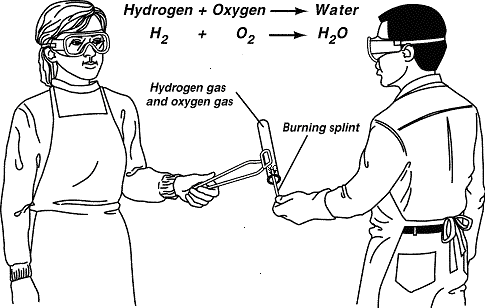
Identify the reactant(s) and product(s) of the reaction.
a)
All three are reactants and none are products.
b)
Hydrogen and water are the reactants, and oxygen is the product.
c)
Water and oxygen are the reactants, and hydrogen is the product.
d)
Hydrogen and oxygen are the reactants, and water is the product.
9.
How many Oxygen (O) atoms are in 2C2HO8Cl2
a)
2
b)
16
c)
8
d)
5
10.
How many Hydrogen (H) atoms are in NH3O5
a)
3
b)
4
c)
5
d)
1
11.
Which is the Law of Conservation of Matter?
a)
matter cannot be created or destroyed, it only changes form
b)
matter can be created but it cannot be destroyed, it never changes form
c)
matter can be destroyed but it cannot be created, it usually just changes form
d)
matter is an unproven theory created by Hans Geiger
12.
How many molecules of Carbon are in the following formula? 3C2H6
a)
3
b)
6
c)
12
d)
18
13.
Which of the following shows the correct way to balance the chemical equation?
Fe + O2 -> Fe2O3
a)
4Fe + 3O2 -> 2Fe2O3
b)
2 Fe + 3O2 -> Fe2O6
c)
4 Fe + O6 -> 2Fe2O3
d)
None of the options are correctly balanced.
14.
Which of the following reactions is balanced?
a)
2CH4 + O2 -> CO2 + H2O
b)
CH4 + 2O2 -> CO2 + H2O
c)
CH4 + 2O2 -> CO2 + 2H2O
d)
None of the chemical equations are balanced.
15.
Balance this equation...
HgO --> Hg + O2
a)
It is balanced 
b)
2HgO --> Hg + O2
c)
2HgO --> 2Hg + O2
d)
I don't know...Oh well!
16.
How many HCl molecules do you need to balance this equation? 
Mg +  __HCl --->  MgCl2 + H2
a)
1
b)
2
c)
3
d)
4
17.
Balance this equation.
_CF4 + _Br2 -- _CBr4 + _F2
a)
2,1,2,1
b)
1,2,2,1
c)
1,2,1,2
d)
2,2,2,2
18.
Which coefficients balance this equation:
NH3  +  O2 ---->   NO  + H2O
a)
2,3,5,6
b)
5,5,4,6
c)
4,6,4,5
d)
4,5,4,6
19.
Balance this equation.
_CH4 + _O2 --> _CO2 + _H2O
a)
1,2,1,1
b)
2,1,2,1
c)
1,2,1,2
d)
0,2,0,2
20.
The red numbers in the image below represent ________
a)
subscripts
b)
coefficients
c)
I don't know, and don't want to try
d)
None of the answers are correct
21.
The blue numbers in the image below represent ________
a)
I don't know, and don't want to try
b)
coefficients
c)
subscripts
d)
none of the answers are correct
22.
Sodium reacts with chlorine to produce sodium chloride.
a)
NaCl(s) → Cl(g) + Na(s)
b)
Na(s) + CO2(g) → NaCO2(s)
c)
2Na(s) + Cl2(g) → 2NaCl(s)
d)
Na(s) + Cl(g) → NaCl
23.
Mg + N2 --> Mg3N2
a)
Synthesis (combination)
b)
Decomposition
c)
Single replacement
d)
Combustion
24.

Which is the correct chemical equation for the following: Solid Zn reacts with silver (I) chloride to produce Zinc (II) chloride and silver metal

a)

Zn + AgCl → ZnCl2 + Ag

b)

ZnCl2 + Ag → Zn + AgCl

c)

ZnCl2 + Ag2 → Zn + AgCl

d)

Zn2Cl + Ag → Zn + AgCl

25.

Which is the correct chemical equation for the following: Barium Chloride combined with sodium sulfide yields barium sulfide and sodium chloride

a)

BaCl + NaS → BaS+ NaCl

b)

BaCl2 + Na2S → BaS+ NaCl

c)

BaS+ NaCl → BaCl + NaS

d)

BaCl2 + Na2S → BaS+ NaCl2

26.
What type of reaction occurs between an element and a compound?
Zn + 2HCl --> ZnCl2 + H2
a)
Synthesis
b)
Decomposition
c)
Single Replacement
d)
Double Replacement
27.
What kind of reaction is this:
2H2 + O2 --> 2H2O
a)
Synthesis
b)
Decomposition
c)
Single Replacement
d)
Double Replacement
28.
What kind of reaction is this:
4Fe  +  3O2 →   2Fe2O3 
a)
Synthesis
b)
Decomposition
c)
Single Replacement 
d)
Double Replacement
29.
What kind of reaction is this:
2H2O2 →2 H2O + O2
a)
Synthesis
b)
Decomposition
c)
Single Replacement 
d)
Combustion
30.
What kind of reaction is this:
2C3H7OH +9O2 -> 6CO2 + 8H2O
a)
Double Replacement
b)
Combustion
c)
Single Replacement
d)
Decomposition
31.
What kind of reaction is this:
Fe + CuSO4 -> Cu + FeSO4
a)
Double Replacement
b)
Decompostion
c)
Single Replacement
d)
Combustion
32.
The reaction below is an example of?
AgNO3 + NaCl 
→ AgCl + NaNO3
a)
Single Replacement
b)
Double Replacement
c)
Decomposition
d)
Combustion
33.
What kind of reaction is this:
 CaCO3 + Ag2SO4 → CaSO4 + Ag2CO3 
a)
Decomposition
b)
Single Replacement
c)
Double Replacement
d)
Combustion
34.
An element plus additional element reacts to form one product is an example of which type of chemical reaction? 
a)
combustion
b)
decomposition 
c)
synthesis 
d)
single replacement
35.
Which type of reaction takes place in the presence of oxygen and produces carbon dioxide and water?
a)
double replacement 
b)
decomposition 
c)
combustion 
d)
single replacement
36.
Which type of reaction can be recognized by the general pattern?
A + BC--> AC + B
a)
Decomposition
b)
Combustion
c)
Single Replacement
d)
Double Replacement
37.
Which type of reaction involves one element and one compound reacting?
a)
Single Replacement
b)
Double Replacement
c)
Combustion
d)
Synthesis
38.
What type of reaction is illustrated below?
2HI --> H2  +  I2
a)
synthesis
b)
decomposition
c)
single replacement
d)
double replacement
39.
A change that alters the physical properties of a substance without changing its composition.
a)
Physical Change
b)
Chemical Change
40.
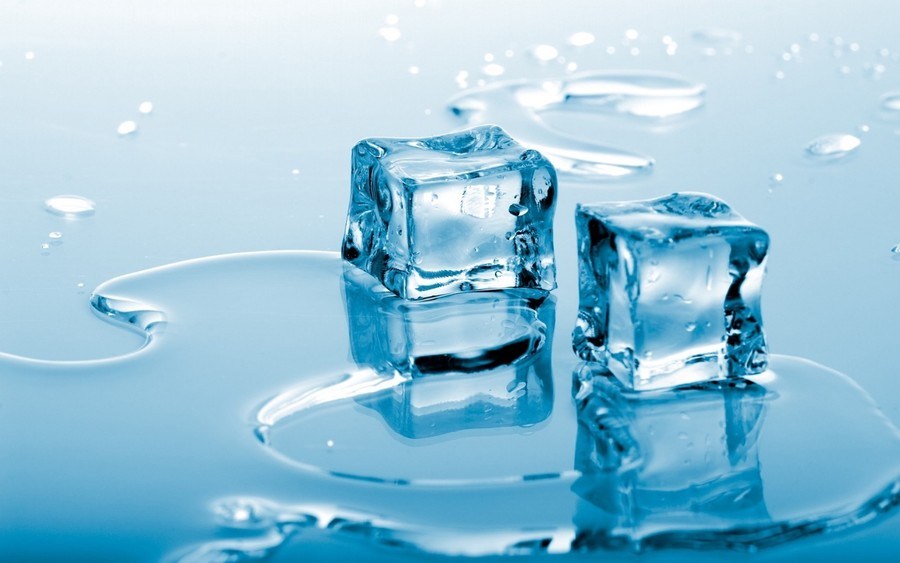
Water freezing into ice is an example of a...
a)
Physical Change
b)
Chemical Change
41.
Any change in the state of matter of a substance is a...
a)
Physical Change
b)
Chemical Change
42.
A change in matter that forms one or more new substances with new chemical properties is a/an...
a)
Physical Change
b)
Chemical Change
43.
Which of the following indicates a chemical change?
a)
Change in state of matter
b)
Temperature change
c)
Change in size 
d)
Change in shape
44.
A solid substance that forms when 2 liquid solutions are combined?
a)
Sublimation
b)
Precipitate
c)
Condensation
d)
Freezing
45.
Which of the following indicates a PHYSICAL change?
a)
Change in temperature
b)
Change in shape
c)
Formation of a precipitate
d)
Change in color
46.
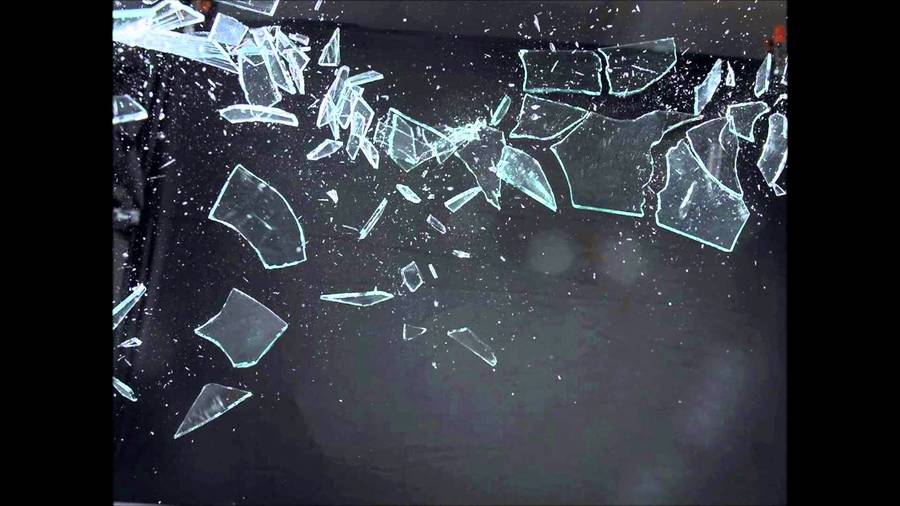
Chemical or Physical?  Glass breaking into tiny shards
a)
Chemical Change
b)
Physical Change
47.
Physical or Chemical Change?  Iron rusts
a)
Physical Change
b)
Chemical Change
48.
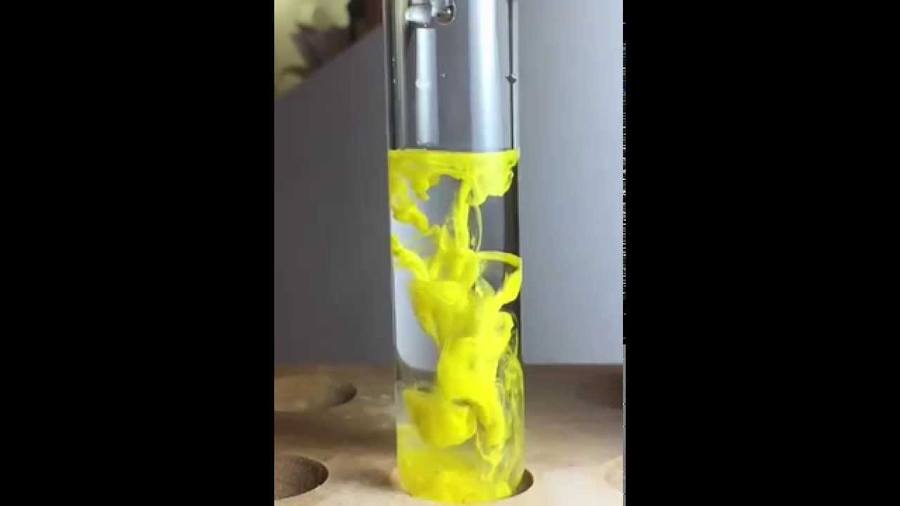
Physical or Chemical Change? 
a)
Physical Change
b)
Chemical Change
49.
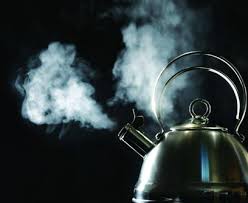
Physical or Chemical Change?
a)
Physical Change
b)
Chemical Change
50.
Physical or Chemical Change?  Cutting an orange into wedges.
a)
Physical Change
b)
Chemical Change
51.
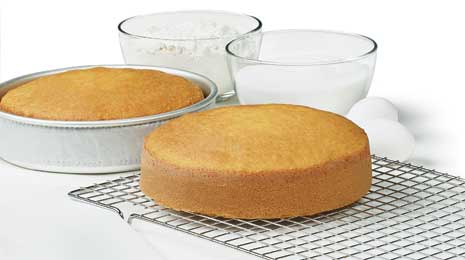
Physical or Chemical Change?  Baking a cake.
a)
Chemical Change
b)
Physical Change
52.
Physical or Chemical Change?  Logs burning in a campfire.
a)
Physical Change
b)
Chemical Change
53.
Physical or Chemical Change?  Sodium metal burning in water.
a)
Physical Change
b)
Chemical Change
54.
Physical or Chemical Change?  Making a paper airplane.
a)
Physical Change
b)
Chemical Change
55.
Which of the following is a sign that a chemical reaction has occurred?
a)
change in shape
b)
melting
c)
formation of a gas
d)
dissolving
56.
Is melting butter for popcorn a chemical or physical change?
a)
chemical
b)
physical
57.
Which of the following is NOT an example of a physical change?
a)
crumpled paper
b)
pencil sharpening
c)
shrunken clothing
d)
rust
58.
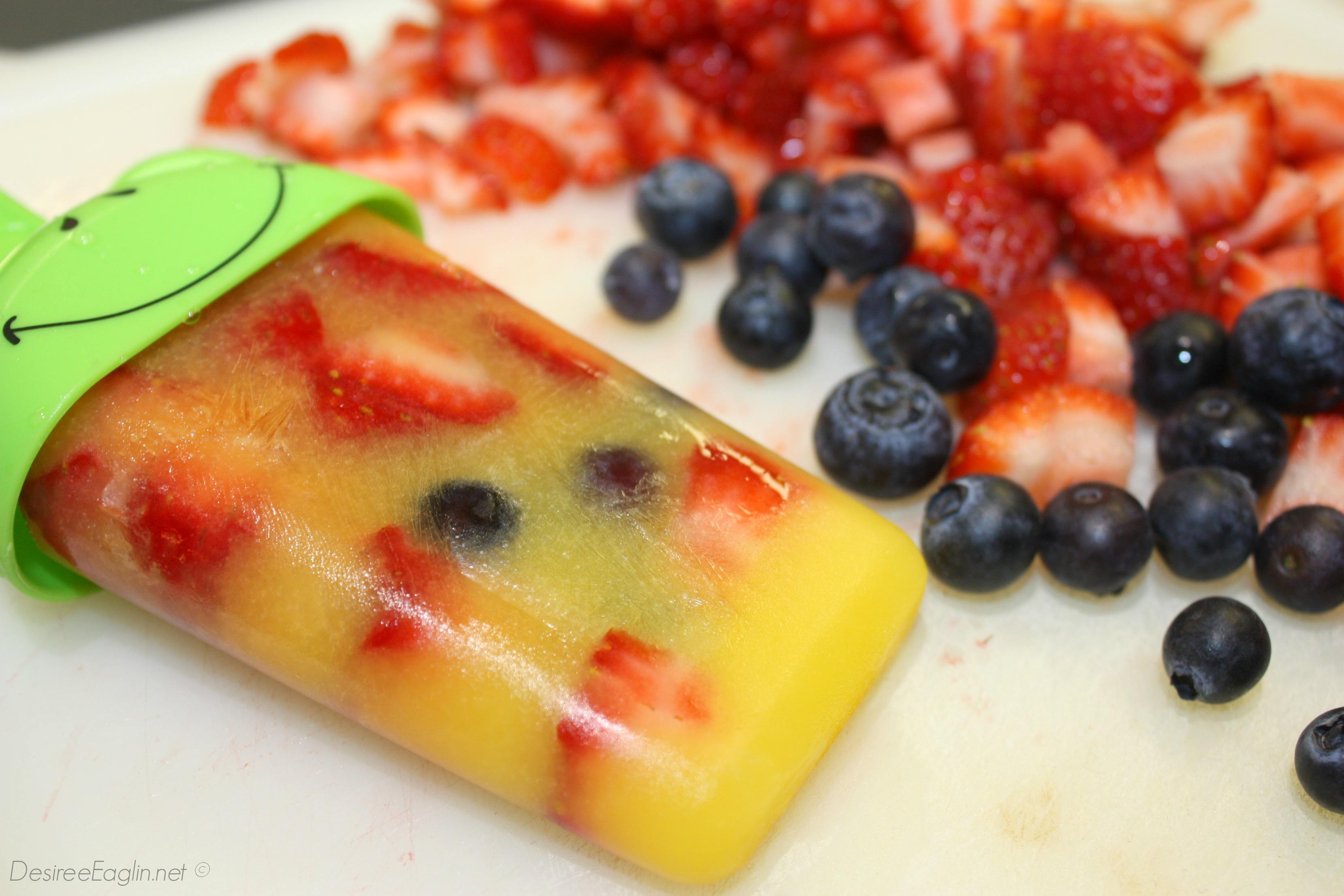
Freezing Juice?
a)
Physical Change
b)
Chemical Change
59.
A change where one or more new substances are created.
a)
Physical Change 
b)
Chemical Change 
60.
Fizzing, foaming, and burning are all examples of
a)
Chemical change
b)
Physical change
61.
Rust on an iron bar is an example of chemical change.
a)
True 
b)
False
62.
When you break a cracker into pieces it is a...
a)
Chemical change
b)
Physical change
63.
A mixture is the result of a physical change because...
a)
The parts can be separated
b)
A new substance is made
c)
There is a chemical reaction
d)
One part of the mixture disappears
64.
Which of these is a result of a chemical change?
a)
A mixture
b)
A solution
c)
A new substance
d)
Melting or freezing
65.
A student places a piece of a potato into a container of hydrogen peroxide. One observation the student makes is that bubbles form around the potato. The presence of bubbles might indicate the formation of a new substance because bubbles - 
a)
could show that a gas is forming
b)
always rise to the top of a liquid. 
c)
are almost always perfectly spherical.
d)
usually burst after a few minutes.
66.
Hydrogen peroxide breaks down to form water and oxygen gas. Which observation is evidence that a chemical reaction has occurred?
a)
The mass of the solution remains the same.
b)
 Phase changes are observed.
c)
 The color of the solution remains clear.
d)
The temperature of the solution increases. 
67.
A clear liquid from a flask is poured into another clear liquid in a beaker. Which of the following results of this procedure would indicate a new substance was formed?
a)
The level of the substance in the beaker is higher after the other liquid is added.
b)
A yellow solid forms and then settles to the bottom of the beaker.
c)
Small white crystals are left behind in the flask that held the first liquid.
68.
Which of the following is an example that includes evidence of a chemical reaction?
a)
A sample of zinc is placed in water and it settles to the bottom
b)
A solid block of ice is heated and it completely melts into a liquid. 
c)
Sugar that is burned gives off an odor and turns brown and then black.
d)
A tomato is placed into a blender and chopped up into smaller pieces.
69.
Based on the activity series, will this reaction occur?
Br2 (l) + KI (aq) →
a)
Yes
b)
No
70.
Based on the activity series, will this reaction occur?
Au (s) + HCl (l) →
a)
Yes
b)
No
71.
Based on the activity series, will this reaction occur?
Cd (s) + HCl (aq) →
a)
Yes
b)
No
72.

Which metal is more reactive than calcium?

a)

magnesium

b)

potassium

c)

silver

d)

aluminum

73.
What will be the result if a less reactive metal is added in a solution with more reactive metal compound?
a)
vigorous reaction
b)
fizzing gas produced
c)
burns moderately
d)
no reaction
74.
Predict the products for the this reaction:
K + HCl --> 
a)
KCl + H2
b)
KHCl 
c)
KH + Cl2
d)
KCl + H
75.
What are the correct formulas and coefficients for the products of the following single-replacement reaction?
Mg + Al(OH)3 →
a)
No Reaction
b)
Al + Mg(OH)3
c)
2 Al + 3 Mg(OH)2
d)
3 Al + MgOH3
76.
If an element is diatomic it should have a subscript of___
a)
2, always
b)
2, only when it is by itself
c)
it shouldn't have a subscript, it should have a coefficent
77.
 Predict the product(s):  H2O -->
a)
H and O
b)
H2 and O2
c)
H and OH
78.

What are the predicted products of this reaction? Copper (II) is the form used in this reaction.


Cu+ AgNO3-->

a)

Cu(NO3)2+Ag

b)

CuNO3 + Ag

c)

CuAg+NO3

d)

Cu+ AgNO3

79.

Predict the products of the following reaction. No need to balance.


Ca(OH)2 + HNO3 -->

a)

Ca(NO3)2 + H2O

b)

H2Ca + (OH)(NO3)

c)

CaNO3 + H2O

d)

CaH + NO3OH

80.

Predict the products of the following reaction. No need to balance.


ZnCl2 + H2S -->

a)

ZnS + HCl

b)

ZnS + H2Cl2

c)

SZn + ClH

d)

H2Zn + Cl2S

81.

Predict the products of the following reaction. No need to balance.


F2 + KBr →

a)

FBr + K

b)

KF + Br

c)

KF2 + Br2

d)

KF + Br2

82.

Predict the products of the following reaction. No need to balance. Iron (III) is the form used in this equation.


Fe + O2 →

a)

Fe2O3

b)

FeO

c)

Fe3O2

d)

Fe3O