
 Worksheets
Civics Mid Semester Review
Total questions: 101
Worksheet time: 2hrs 2mins


What type of democracy does the united states have?
Direct
Autocratic
Judicial
Representative
everyone will have a say, but someone will cast the vote for the whole group
direct democracy
representative democracy
What notable document in the United States contains wording similar to the Petition of Right?
The Declaration of Independence
The Magna Carta
The Colonial Charter
The Constitution
What was the first rule contained in the Petition of rights?
No tax could be levied without the Parliament's consent
The crown must respect all laws
Habeas corpus
No quartering of soldiers in civil homes
The English Bill of Rights was passed by the
Parliament of England
The 13 American Colonies
The Pope
Scotland
The English Bill of Rights
Created separation of powers
Enhanced the democratic election
Limited the powers of the king and queen
All the answers are correct
What king and queen signed the Bill of Rights before being sworn in?
James and Helen
William and Mary
Catherine and Henry
Edward and Margaret

Montesquieu, wanting to protect the people and limit government from getting too powerful, said there should be _________ and _________ in place.
law and order
checks and balances
checks and lawyers
scales and balances


Which is the best summary of the "Three-Fifths Compromise?"
Congress was given two houses.
A line was drawn dividing future free and slave states.
Each slave was counted as less that one free person.
A tougher runaway slave law was enacted.
Which is the best summary of the Great Compromise?
Congress was given two houses.
A line was drawn dividing future free and slave states.
Each slave was counted as more than one free person.
A tougher runaway slave law was enacted.
One of the major issues debated at the Constitutional Convention in Philadelphia was -
proposing a new strategy to proceed with the abolition of slavery
creating a plan for representation of both large and small states
whether or not to remain neutral in the French Revolution
if Missouri should be allowed to join the country as a free state
Northern and Southern delegates vehemently argued on how slaves should be counted as population for representation purposes, the result of this debate was the -
Three-fifths compromise
Great Compromise
Virginia and Kentucky Resolutions
Missouri Compromise
The main cause for many of the rules in the Articles of Confederation was that the delegates at the Continental Congress...
did not want to give the states too much power because they'd proven they were willing to rebel against a government.
wanted to create a government that was identical to England's government.
were concerned about giving the central government too much power because the King had used his power unfairly.
wanted to unify the states together, which included creating one army and one type of currency.


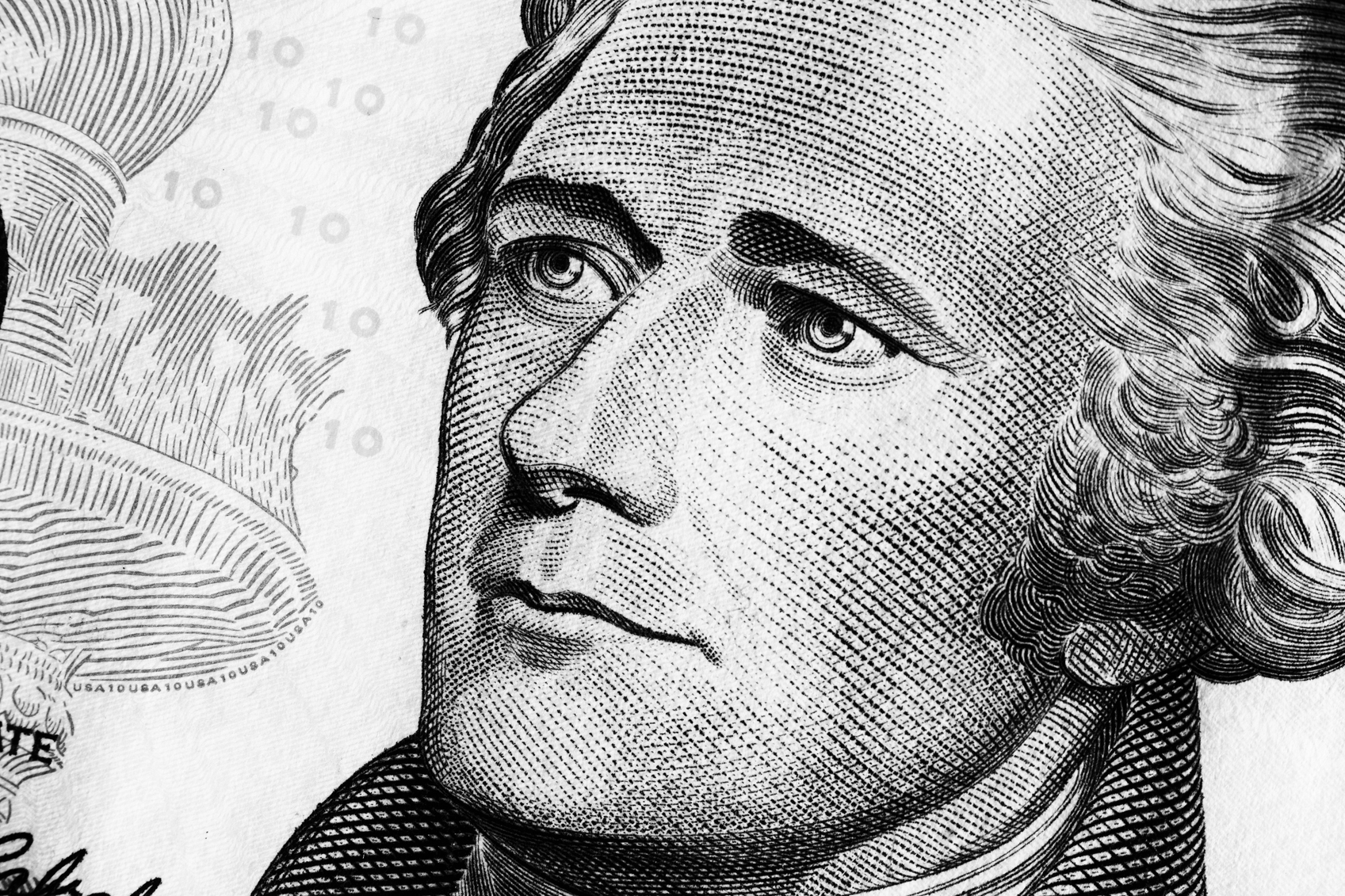
Who is known as the leader of the Federalists?
Alexander Hamilton
John Adams
Patrick Henry
Benjamin Franklin

The ___________ are for the ratification (approval) of the U.S Constitution.
Federalists
Anti-Federalists
Whiggs
Representatives
The ___________ are NOT for the ratification (approval) of the U.S Constitution.
Anti-Federalists.
Federalists.
Whiggs.
Supreme Court Justices.
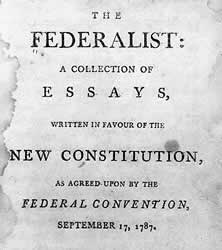
The "Federalist Papers" were written to:
Explain and convince the people into supporting the new U.S Constitution.
spark a new revolution among the American people against their government.
oppose a strong centralized government.
create a new monarchy.
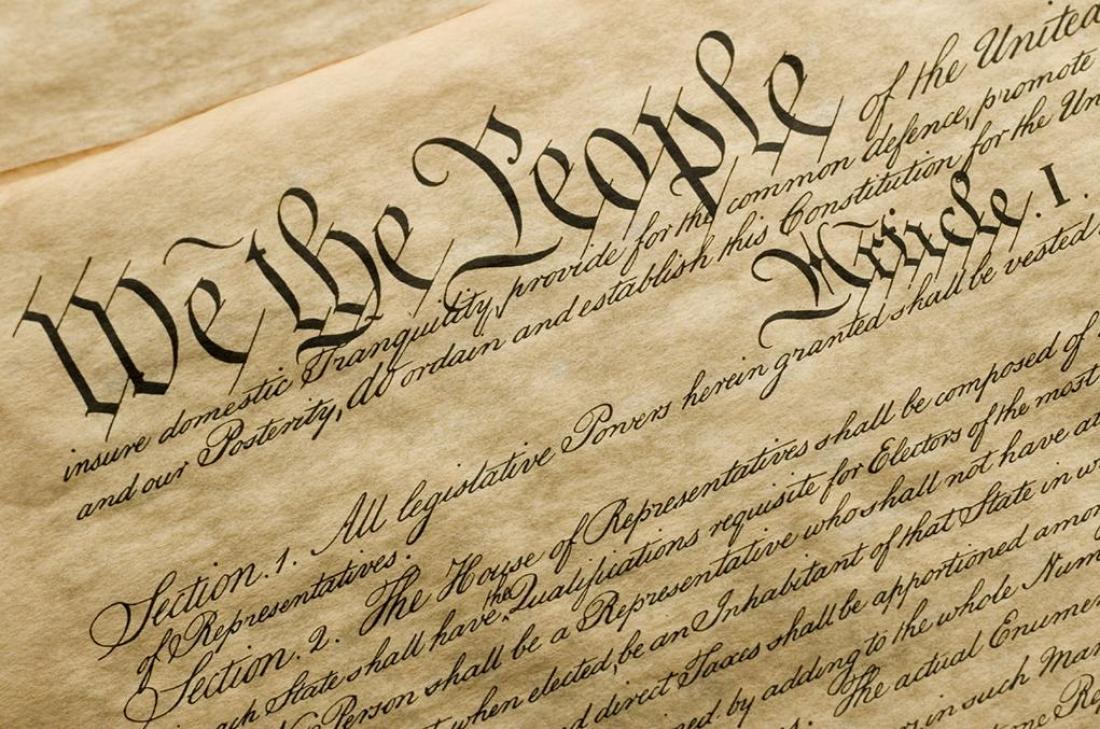
How did the Federalists and Anti-Federalists "compromise" to ratify (approve) the U.S Constitution?
The added the Bill of Rights (First 10 Amendments)
They outlawed cruel and unusual punishment.
Ensured due process of the law.
The Federalists threatened the Anti-Federalists to war.
The Delegates (Representatives) who signed the U.S Constitution are known as:
Free Masons.
leaders of the New U.S.
Founding Fathers.
Anti-Federalists.


5th Amendment
No self-incrimination
No double jeopardy
Due process
The right to a jury trial in civil cases involving more than $20
No cruel and unusual punishment
No excessive bail
The right to a fair, speedy and public trial in criminal cases.
The right to a lawyer.
6th Amendment
No self-incrimination
No double jeopardy
Due process
The right to a jury trial in civil cases involving more than $20
No cruel and unusual punishment
No excessive bail
The right to a fair, speedy and public trial in criminal cases.
The right to a lawyer.
7th Amendment
No self-incrimination
No double jeopardy
Due process
The right to a jury trial in civil cases involving more than $20
No cruel and unusual punishment
No excessive bail
The right to a fair, speedy and public trial in criminal cases.
The right to a lawyer.
8th Amendment
No self-incrimination
No double jeopardy
Due process
The right to a jury trial in civil cases involving more than $20
No cruel and unusual punishment
No excessive bail
The right to a fair, speedy and public trial in criminal cases.
The right to a lawyer.



