
 Worksheets
The Industrial Revolution
Total questions: 99
Worksheet time: 56mins

In which country did the Industrial Revolution begin?
The United States
England
France
Germany

What impact did the Agricultural Revolution have on the population of England?
The population increased a little.
The population declined steeply.
The population increased dramatically.
The population stayed the same.

Who designed the first efficient steam engine?
James Hargreaves
John Kay
Richard Arkwright
James Watt


Who wrote Wealth of Nations and supported Laissez-Faire economics?
Adam Smith
David Ricardo
Thomas Malthus
John Wesley

Who wrote the Communist Manifesto?
Charles Darwin
Adam Smith
Karl Marx
Alfred Nobel

Which statement about the early years of the Industrial Revolution is true?
Children were not allowed to work in the mines during the Industrial Revolution
Work conditions improved quickly
There were no labor laws that prevented children from working
Children were allowed to work but they were treated fairly.

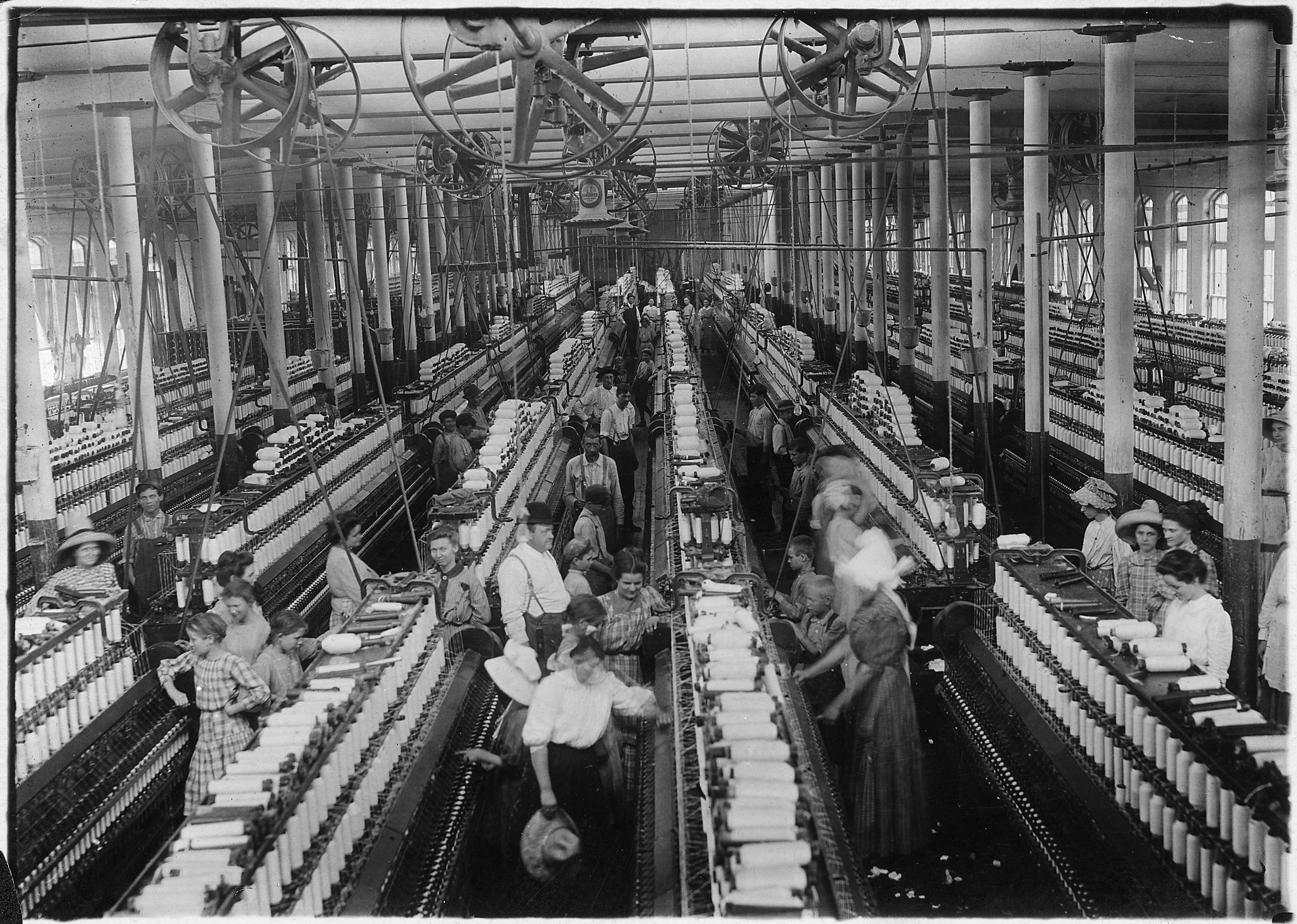


True or False? The Industrial Revolution is related with the British Enclosure Movement.
False
True
The Industrial Revolution brought about the demise of what?
British Enclosure Movement
The Congress of Vienna
Cottage Industry
Which of the following was not a change in life during the Industrial Revolution ?
Population increase
Improved transportation
Increased education
Middle class destroyed
Who developed the smallpox vaccination?
Edward Jenner
Louis Pasteur
James Watt
James Hargreaves
Who discovered bacteria?
Louis Pasteur
James Watt
James Hargreaves
Eli Whitney
Who created the steam engine?
Eli Whitney
Edward Jenner
James Watt
James Hargreaves
Who developed the process for making steel?
James Watt
Andrew Carnegie
Louis Pasteur
Henry Bessemer
True or False? The cotton gin decreased the need for slave labor.
False
True
Who developed the spinning jenny?
Jim Valvano
John Smith
James Hargreaves
James Watt
Who wrote WEALTH OF NATIONS and was influential in spreading capitalism?
Adam Smith
Karl Marx
Groucho Marx
George Washington
_______ is an economic system where individuals control factors of production rather than government.
Marxism
Capitalism
Communism
Socialism
_______ is an economic/political system where government owns means of production & operates all business
Hinduism
Humanism
Communism
Capitalism
Karl Marx advocated for...
Capitalism
Protestantism
Catholicism
Communism
What is it called when workers refuse to work in order to get something they want?
Strike
Union
Quittage
Sorriness
What is the term used for negotiations between unions and employers?
Striking
Collective bargaining
Lobbying
Stunting
What is the term used for trying to influence voting or legislators or officials?
Striking
Makin' a deal
Lobbying
Collective bargaining

Which conclusion about the 19th century is best supported by this table?
Asia had the most natural resources for development.
The United States developed the largest colonial empire.
Western Europe was the most heavily industrialized area.
France experienced the greatest industrial growth.
What was one result of the British enclosure movement?
More people moved to cities.
There was less production of coal.
More foreigners bought farmland.
There were fewer factory owners.
Edward Jenner's innovation helped to -
improve public health
enable mass production
increase energy output
allow faster transportation

Which phrase best completes this list?
Religious uniformity
Business regulation
Technological innovations
Military alliances
How did the Industrial Revolution improve the standard of living in England?
By protecting industries from foreign competition
By discovering new sources of raw materials
By increasing the production of affordable goods
By giving government more power to regulate business
Who believed that governments should NOT interfere with a free market economy?
Karl Marx
Adam Smith
Vladimir Lenin
Adolf Hitler

Which phrase best completes this diagram?
Causes of Mercantilism
Results of Capitalism
Theories of Classicism
Principles of Communism
Which statement best describes the effects of the Industrial Revolution on families?
family-based cottage industries were weakened.
Families returned to a primary focus on domestic goods.
Families struggled to share responsibilities in the household.
Families were hired as a group in local industries.
Improving economic status for workers through collective bargaining was the primary reason for the formation of -
labor unions
associations of journeymen
secret fraternal organizations
craft guilds

Which phrase best completes this list?
Technological advances
Religious uniformity
Business regulation
Military alliances
Karl Marx wrote two books, Das Capital and --
Communist Manifesto
The Wealth of Nations
The Spirit of Laws
The Social Contract

Which concept is best described by this list?
Urbanization
Laissez-faire
Enclosure movement
Competition
What is Laissez-faire economics?
Government stays out of business
Colonies are only source of wealth
The wealthy are taxed higher
Government controls the economy
During the 19th century, which change led to an increase in the use of child labor?
the public welfare system
development of factories
The expansion of large cities
The rise of wages for artisans
Which industry was the first to become industrialized?
Steel
Textile
Shipbuilding
Mining
The Bessemer process was created to produce-
steel
explosions
cotton
electricity
One effect of the enclosure movement was the-
growth of small farms
increased factory output
decline in farming output
increased farming efficiency
The Industrial Revolution brought about the demise of what?
British Enclosure Movement
The Congress of Vienna
Cottage Industry

What is this a picture of?
Former Cottage Industry
Enclosure Movement
Queen Elizabeth's land
Abandoned property
Form of socialism advocated by Karl Marx; creation of a class-less society
Communism
Social Democracy
Urbanism
Utilitarianism
Money or wealth used to invest in business or enterprise
Tenement
Entrepreneur
Capital
Urbanization
The process of taking over and consolidating land formerly shared by peasant farmers.
Tenement
Proletariat
Enclosures
Urbanization
a person who assumes financial risk in the hope of making profit
Entrepeneur
Proletariat
Socialist
Utilitarian
A workers organization
Labor Union
Enclosure
Capital
Tenement
Farms, Factories, Railways, and other large businesses that produce and distribute goods
Turnpike
Urbanization
Means of Production
Enclosure
Melt in order go get pure metal away from its waste matter
Incinerate
Capital
Smelt
Mine
What economic system uses the idea of Lassiez-faire as its roots?
Socialism
Capitalism
Communism
None of the above
True or False, Karl Marx was the main founder of the Capitalism economic system?
True
False
All of these countries currently practice or have practices communism except which one?
Russia
India
Cuba
China
What were working hours so long for factory workers?
The owners wanted to produce as much product as possible to make more money
The owners didn't like the workers at all
As punishment for those who disobeyed
They liked their jobs so much
True or False, Urbanization caused overcrowding and horribly dirty living and working conditions.
True
False

A place where people and machines join together to mass produce goods.
Cartel
Corporation
Factory
Urbanization
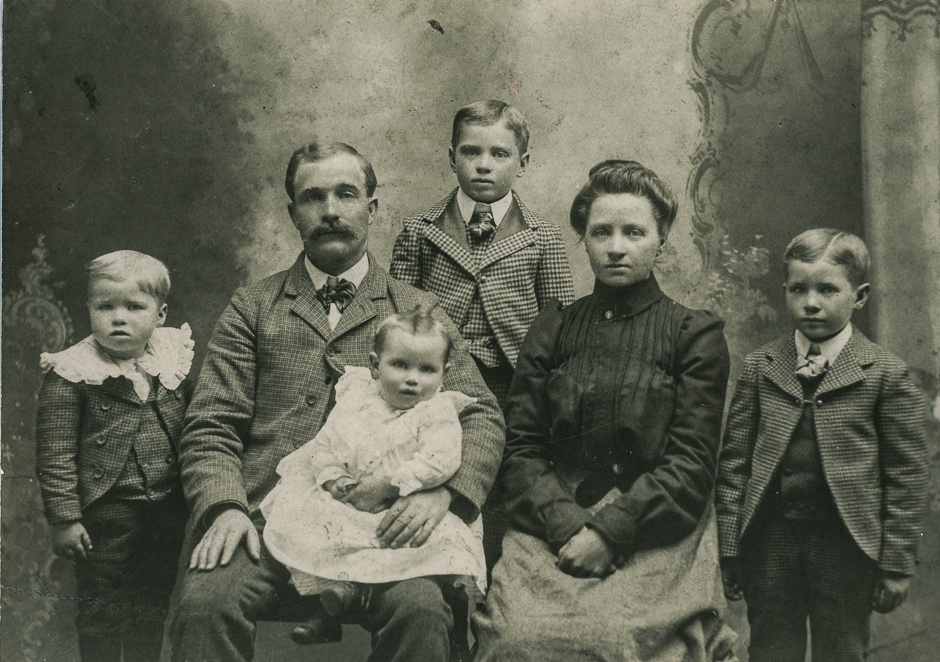
The Industrial revolution created a new ____________ class.
Upper
Poor
Lower
Middle
Germ theory, which was discovered by medics during the Industrial Revolution showed
how diseases are caused.
people how dirty their foods was.
how the circulatory system worked.
how diseases were harmful.
What is one way that the Industrial Revolution still negatively affects us all today?
Factory work is still incredibly dangerous and refuse to change.
Greenhouse gases from burning coal has led to climate change.
Children still work in factories in Europe and parts of the US.
Smallpox is still a disease that affects a lot of people.
Which of the following is an example of the free enterprise system?
A fisherman buys a boat and uses it to catch fish which he then sells to people at the price he chooses
A husband purchases roses for his wife for her birthday
A factory owner is required by law to pay his employees $20 every day
A farmer is asked by the government to plant 10 acres of corn to provide food for soldiers during a war
The purpose of a capitalist society is to -
Use money to keep good politicians in power
Create equality among all social classes
Prevent one company from taking over a certain industry, like railroads
Use money to make more money
Adam Smith compared the forces of supply and demand in a free market to
the foundation of a house
a revolving wheel
a hammer and nail
an invisible hand
Who wrote the pamphlet The Communist Manifesto in 1848?
Adam Smith and David Hume
Karl Marx and Friedrich Engels
George Bernard Shaw
Batman and Robin
All of the following are communist beliefs EXCEPT:
need for revolution
class conflict as driving force in history
strong belief in nationalism
inevitability of capitalism's demise
The "second industrial revolution" from 1850 to 1900 featured all of the following EXCEPT
steel
computers
chemicals
electricity

In what two locations did the Industrial Revolution first transform agrarian, handicraft economies into industrial, urban ones?
America and Asia
Europe and Africa
Europe and Asia
Europe and America

How were textiles made BEFORE the Industrial Revolution?
On large cotton plantations, with slave weavers
In factories, with water-powered looms
At home, in the "cottage industry"
By organized Medieval Guilds, in trading towns

Which important people were respected by English society and funded by wealthy patrons?
Writers and Artists
Factory workers
Engineers and Inventors
Bourgeoisie
Who was responsible for developing motorized flight
Thomas Edison
The Wright Brothers
Alexander Graham Bell
Samuel Morse

