wayground logo

Free Printable Worksheets

NEW

Font size

S
M
L
XL
Worksheets

Chemistry

Total questions: 35

Worksheet time: 34mins

Name
Class
Date
1.
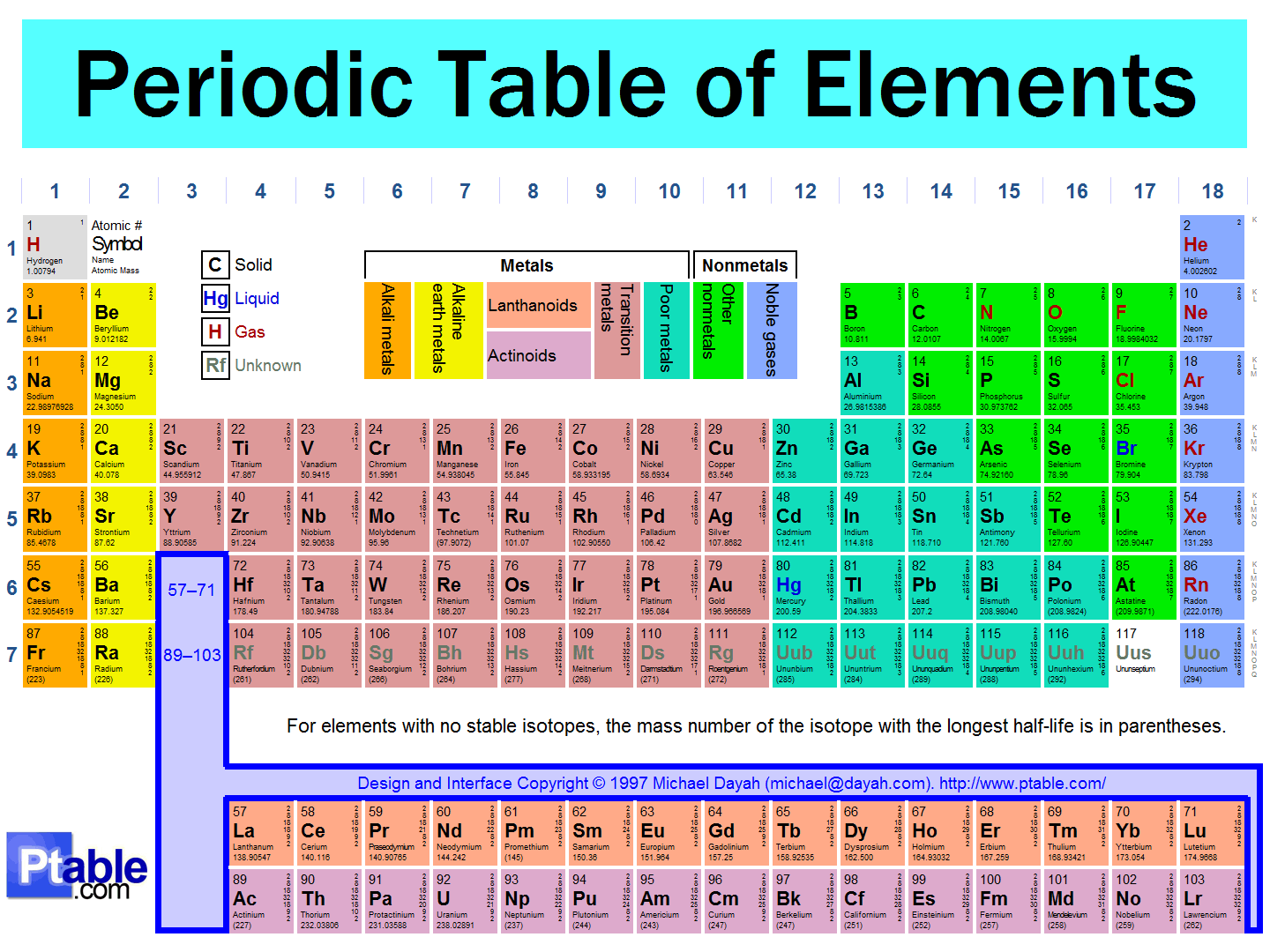
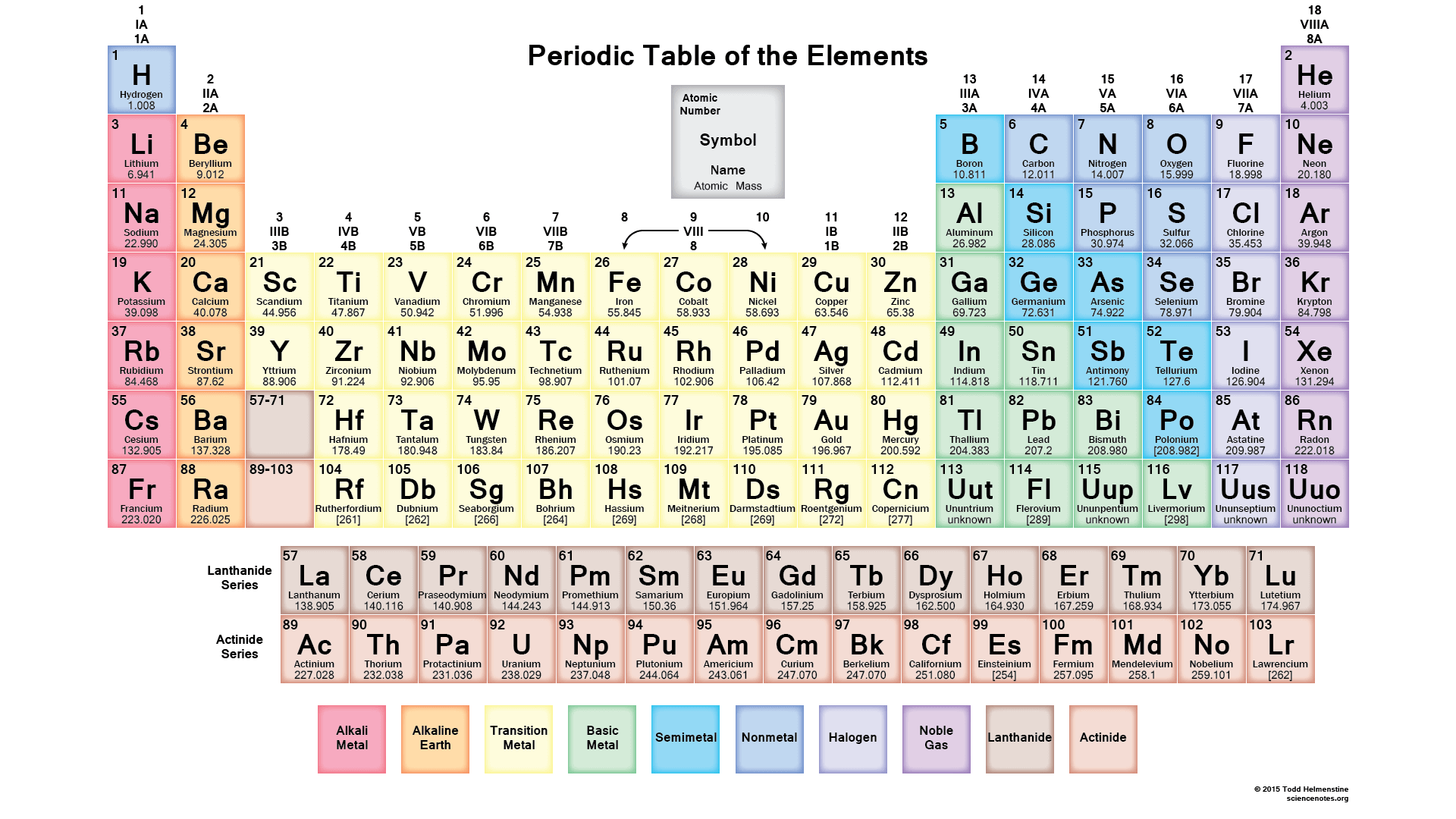
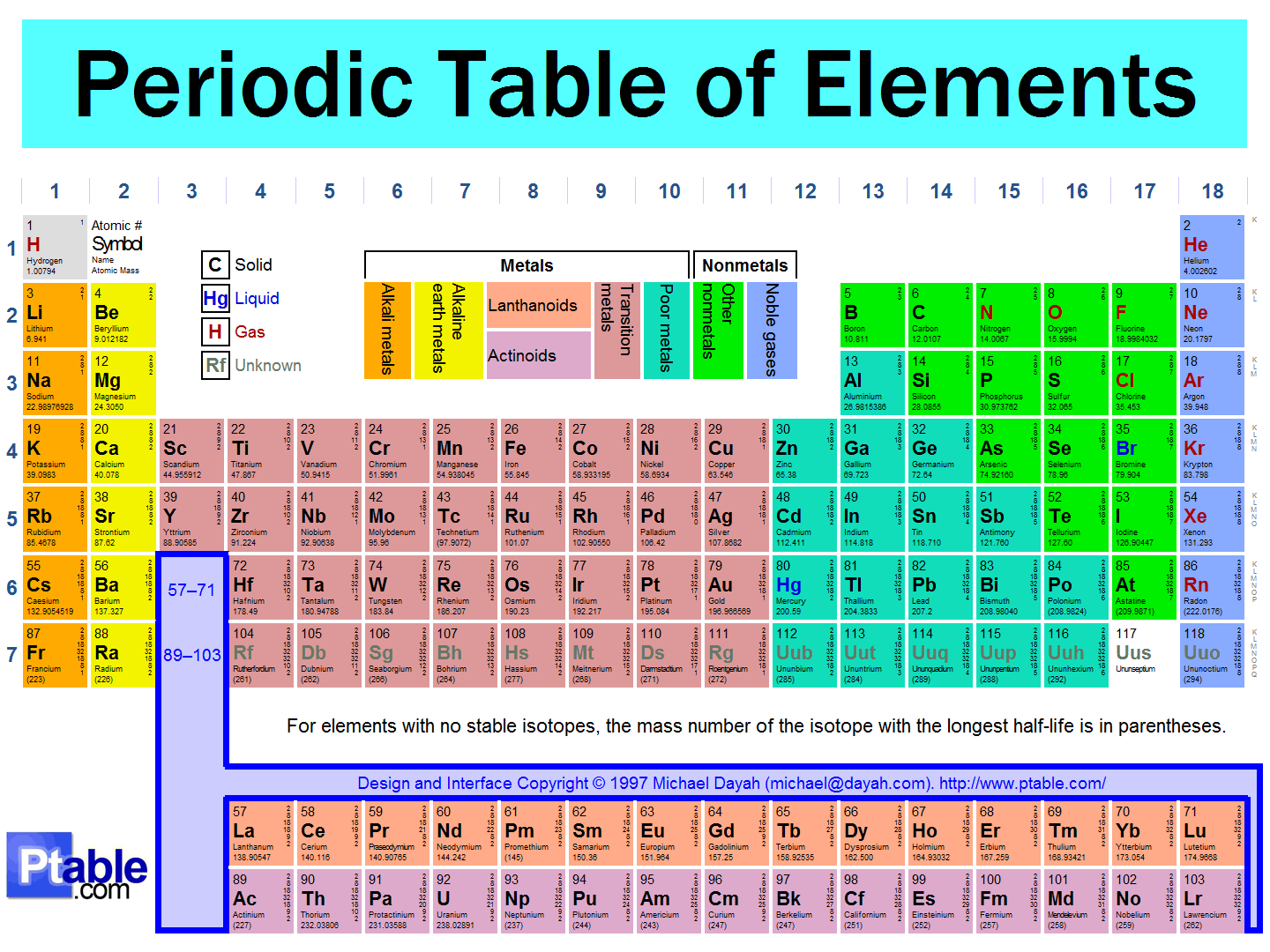
The group number tells us how many _________ there are in an element.
a)
groups
b)
valence electrons
c)
energy levels
d)
chemicals
2.
The ________________ tells you how many energy levels are used in an element.
a)
group number
b)
atom
c)
protons
d)
period number
3.
How many valence electrons do elements in group 17 have in their outer energy level?
a)
7
b)
17
c)
1
d)
0
4.
Which particle does not contribute mass to the atom?
a)
Proton
b)
Neutron
c)
Electron
d)
Nucleus
5.
Which particle contributes the negative charge to the atom?
a)
proton
b)
electron
c)
neutron
d)
nucleus
6.

Water is a heterogenous mixture?

a)

true

b)

false

7.
Most of the mass in an atom is made up of _____________________?
a)
protons and electrons
b)
protons and neutrons
c)
neutrons and electrons
d)
electrons and quarks
8.

Dry ice is solid carbon dioxide, or CO2. Dry ice may be used as a cooling agent and contains two oxygen atoms bonded to a carbon atom. Dry ice is a ___________________ .

a)

pure substance

b)

mixture

9.

Cake batter is a substance that may contain flour, eggs and sugars mixed by hand or with an electric mixer. Cake batter is a ___________________ .

a)

pure substance

b)

mixture

10.

What two types of matter are pure substances?

a)

elements and solutions

b)

compounds and mixtures

c)

elements and compounds

d)

mixtures and solutions

11.

Mixtures that have the same composition throughout are...

a)

heterogeneous

b)

homogeneous

c)

elements

d)

pure substances

12.

Chex mix contains pretzels, rye chips and chex cereal. It is an example of a(n)

a)

solution/ homogeneous mixture

b)

heterogeneous mixture

c)

element

d)

compound

13.
Provides evidence that a chemical reaction has occurred. 
a)
dissolving 
b)
melting
c)
formation of a gas
d)
bending
14.
___________________ are the elements are compounds that leave (are formed in) a chemical
reaction.
a)
Polymers
b)
Bonds
c)
Reactants
d)
Products
15.

Increasing the temperature of a reactant in a chemical reaction will _____________.

a)

decrease the rate of the reaction

b)

stop the reaction from happening

c)

increase the rate of the reaction

d)

have no effect on the rate of the reacion

16.
What is the Law of Conservation of mass?
a)
Mass is created in a chemical reaction
b)
Mass is created in a physical change
c)
New chemicals formed from a chemical reaction have a larger overall mass than the original reactants
d)
Mass is never created or destroyed
17.
If a reaction starts with a total 75g of reactants it should produce 
a)
a total of 40g of products
b)
a total of 75g of products
c)
a total of 180 g of products
d)
None of the above
18.
12g of Carbon react with 16g of Oxygen, how much carbon monoxide (CO) is formed? 
a)
28 g
b)
4g
c)
30g
d)
12g
19.

What are the products of the chemical reaction pictured?

a)

CH4 and CO2

b)

CH4 and O2

c)

CO2 and H2O

d)

O2 and H2O

20.
What is the left part of a chemical equation called?
H2 + O → H2O
a)
Reactants
b)
Products 
c)
Yields 
d)
Chemical Equation 
21.

The vertical (up and down) columns in the Periodic Table are called

a)

groups

b)

towers

c)

periods

d)

atomic numbers

22.
The Modern Periodic Table of Elements is arranged by
a)
atomic mass
b)
atomic number
c)
valence electrons
d)
number of isotopes
23.
Sodium (Na) is found in group 
a)
1
b)
2
c)
3
d)
4
24.
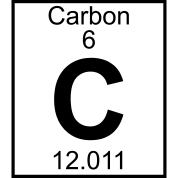
What does the atomic mass tell you? 
a)
Basically,the number of electrons and protons
b)
The number of neutrons
c)
Basically, the number of protons and neutrons
d)
The number of protons.
25.
What does 12.011 represent?
a)
atomic mass
b)
atomic number
c)
element name
d)
chemical symbol 
26.

The horizontal (side to side) rows in the Periodic Table are called

a)

groups

b)

families

c)

periods

d)

atomic numbers

27.

When you neutralize acid with a base you create

a)

a Salt and water

b)

You can not neutralize acid with a base

c)

You create carbon dioxide

d)

A moderate sized explosion

28.

A substance with a ph of higher that 7.5 is a?

a)

Home dog doggity

b)

Base

c)

Acid

d)

Salt

29.

A substance with a ph of lower than 7 is a

a)

Acid

b)

True OG

c)

Base

d)

Salt

30.

When found in food, acids often taste ________.

a)

Sour

b)

Bitter

c)

Salty

d)

Slippery

31.

When found in food, bases often taste _______.

a)

Sour

b)

Bitter

c)

Salty

d)

Soggy

32.

Many cleaning solutions are bases. Which of the following is a common property among basic solutions?

a)

slippery feel

b)

white color

c)

salty taste

d)

sour taste

33.

Pure water (H2O) has a pH of 7 and would be classified as...

a)

a base

b)

a neutral substance

c)

both an acid and a base

d)

an acid

34.
Most of the mass of an atom is found it its _____.
a)
electron cloud
b)
nucleus
c)
atomic number
d)
empty space
35.
Which is an electron?
a)
A
b)
B
c)
C