
 Worksheets
Q3 review
Total questions: 216
Worksheet time: 5hrs 13mins


Select the correct functions of the cardio-vascular system
Transport of nutrients
Regulation of temperature
Regulation of breathing
Clotting of wounds
Identify the incorrect element of the cardio-vascular system
Heart
Lungs
Blood
Blood Vessels
How many blood vessel types are there
1
2
3
4
Identify the vessel which enables diffusion of oxygen in to the working muscle
Artery
Capillary
Vein
Alveoli
Arteries carry blood to the heart
True
False
The pulmonary artery takes blood away from the heart to the lungs, the blood in this artery is...
...oxygenated
...deoxygenated
During exercise _______________ blood travels to the working muscles
Oxygenated
Deoxygenated
Red
Blue
Select the vessel which has a thick muscular wall and small lumen
Artery
Vein
Capillary
Alveoli
The internal diameter of a blood vessel is called...
...the blood passage way
...the inside of the vessel
...the measurement of a vessel
...the lumen
Vascular shunting involves the process of...
Vaso-constriction which directs blood to resting muscles
Vaso-dilation thus reducing the lumen diameter
Vaso-constrction that reduces blood flow to working muscles
Vaso-dilation which increases the blood flow to working muscles
The heart has how many chambers
2
4
5
6
The right atrium contains deoxygenated blood from the body
True
False
Select the correct name for the structure which separates the right and left side of the heart
Septum
Ventricle
Valve
Aorta
There are three valves located in the heart, what is the function of each valve
To prevent oxygenated and deoxygenated blood from mixing
To stop oxygenated blood from becoming cold
To stop air entering the heart
To prevent the back-flow of blood
Select the correct parts of the heart
Aorta
Tricuspid Valve
Bicuspid Valve
Superior Vena Cava
Semi-lunar Valve


Your body responds to pathogens by generating a fever. This is used to fight off the bacteria and is an example of what kind of feedback?
Positive
Negative
Neutral
Constructive
Which of the following is not apart of your body’s first line of defense?
Skin
Mucus
Stomach Acid
Antibodies
Example of 3rd line of defense.
T cells and B cells reacting to pathogens
Phagocytes white blood cells engulfing pathogens
Stomach acid killing pathogens
Mucus catching pathogens


The diagram below shows a cell in the human body engulfing a bacterial cell.
The cell labeled X is most likely a
red blood cell
white blood cell
liver cell
nerve cell
Which pathogen is only one cell big?
virus
bacteria
fungus
parasite/protist


Some examples of external defenses are...
Skin
Mucus
Inflammation
Saliva
Sweat
Two __________ make up a gene.
chromosomes
alleles
eggs
sperm
This type of reproduction involves two parents.
Asexual reproduction
Sexual reproduction
Which answer choice is NOT a type of asexual reproduction?
budding
fragmentation
fertilization
binary fission
Which organisms reproduce by binary fission where one single cell splits into two identical cells?
starfish and flatworm
giraffe and zebra
bacteria and amoeba
spider plant and strawberry plant
Which type of reproduction produces an identical copy of the parent?
Sexual reproduction
Asexual reproduction
What is the purpose of MITOSIS?
to create sex cells
to kill off body cells
to repair or replace body cells
Which statement does NOT describe asexual reproduction?
takes a short amount of time
provides genetic variation - all offspring are different
no mate required in order to reproduce
provides no genetic variation - all offspring are the same
Which statement describes meiosis?
creates 4 unique cells from a parent cell
used for healing and growing
creates 2 identical daughter cells
In sexual reproduction, how much DNA is given by each parent?
10%
30%
100%
50%
Environmental conditions determine the reproductive success of a species because they possess...
an extra chromosome that allows them to survive
a trait that allows them an advantage in that environment

What part of the microscope is 3?
revolving nosepiece
body tube
objective lens
What part of the microscope is 7?
diaphragm
stage
base
What part of the microscope is 8?
diaphragm
base
light source
What part of the microscope is 9?
stage
body tube
ocular lens (eyepiece)
What part of the microscope is 10?
arm
stage
base
What part of the microscope is 11?
arm
stage
base
What part of the microscope is 12?
coarse adjustment knob
fine adjustment knob
revolving nosepiece
What part of the microscope is 13?
coarse adjustment knob
fine adjustment know
revolving nosepiece
What part of the microscope moves the stage up and down?
fine adjustment knob
coarse adjustment know
arm
What keeps a specimen slide in place?
arm
body tube
stage clips


After a cell goes through cytokinesis, it starts mitosis all over again.
Mitosis is a continuous process.


Mitosis is made up of 5 phases.


A insect like a water strider can skate along the top of a pond because:
covalent bonds result in water cohesion
hydrogen bonds result in water cohesion (surface tension)
low surface tension of water


Water travels up from the roots of a tree to the top because of
adhesion and cohesion
surface tension
specific heat capacity
density of water compared to ice


As you add drops of water to the surface of a coin, each drop sticks to the other water droplet because of ________________, and sticks to the penny because of ______________.
adhesion, cohesion
cohesion, adhesion
capillary action, specific heat
specific heat, capillary action


REVIEW: Why will salt form a solution with water but sand will not?
Salt is polar, while sand is non-polar
Salt is non-polar, while sand is polar
Salt and sand are polar
Sand is more coarse than salt
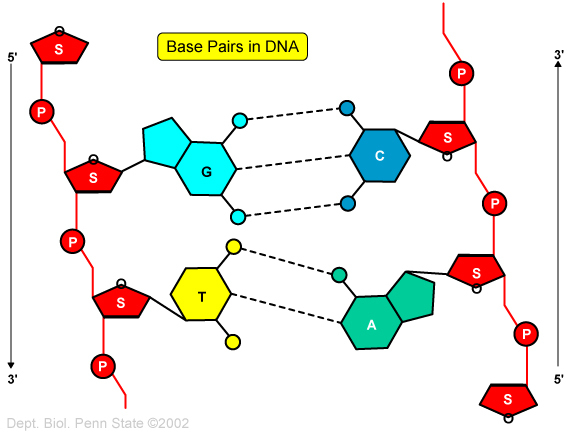
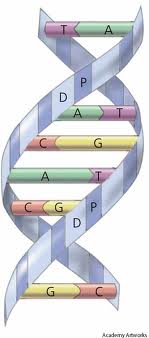
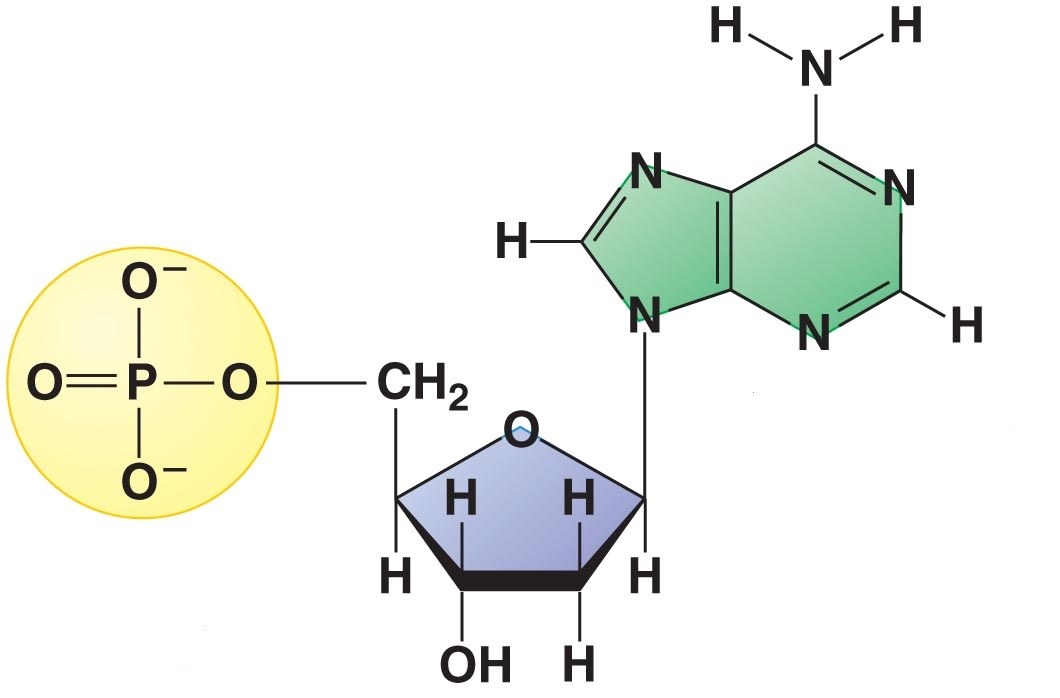
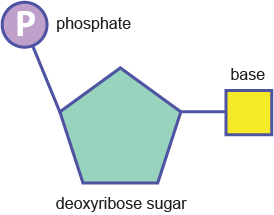
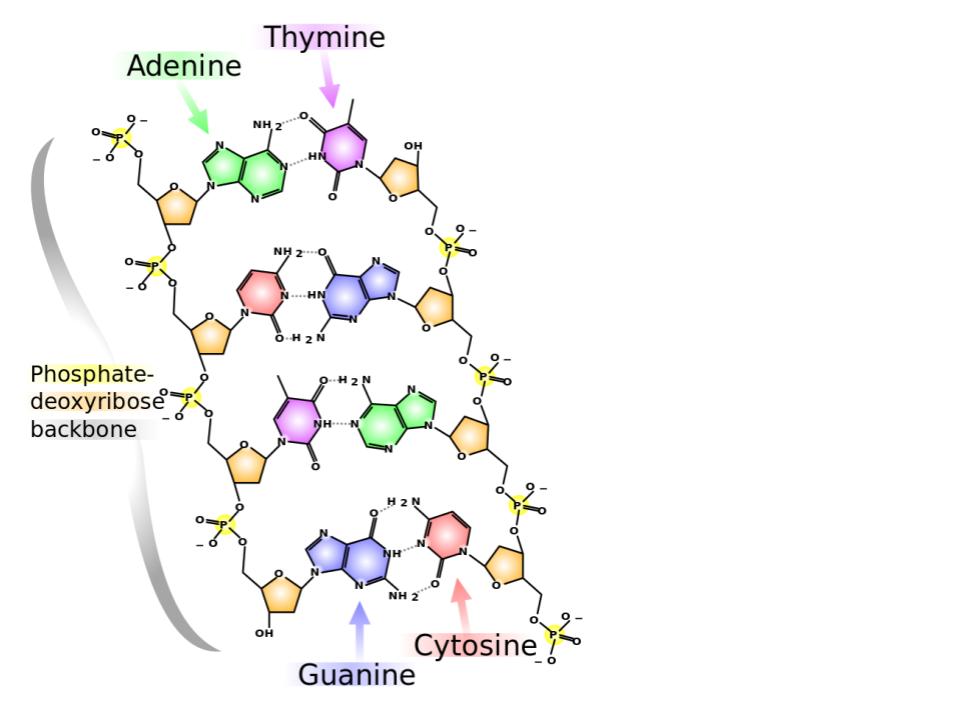
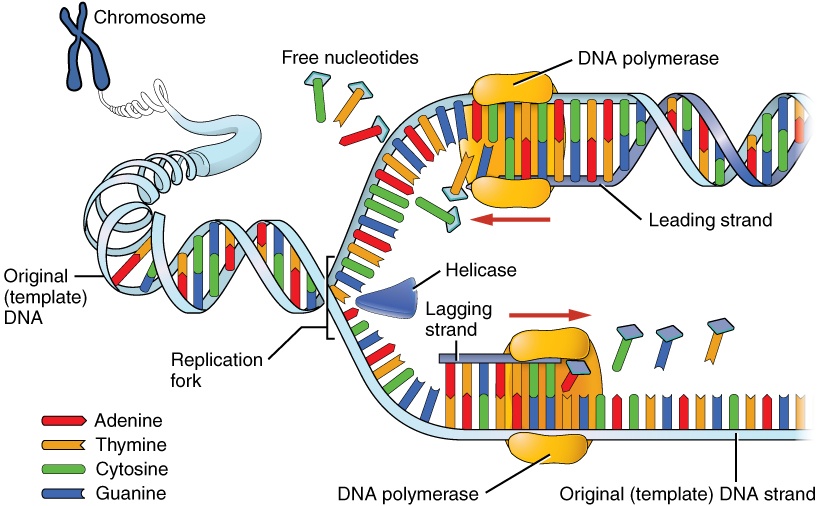
5'-ATGCCAT-3'


The steps of crossing over during meiosis are shown in the diagram. What is the significance of crossing over in Meiosis I?
Crossing over ensures that the four daughter cells produced at the end of Meiosis II have the original number of chromosomes in each cell.
Crossing over ensures that the two daughter cells produced at the end of Meiosis I have half the original number of chromosomes in each cell.
Crossing over ensures that the same combination of alleles remains in each of the four daughter cells at the end of Meiosis II.
Crossing over ensures that the chromosomes in the four daughter cells produced at the end of Meiosis II will have a different assortment of genes than the corresponding chromosomes in the original cell.
There are a total of _______ chromosomes in human sperm or egg cells.
2
23
46
92
There are _______ cells produced in meiosis.
2
4
1


Who is considered the "father" of modern genetics?
Einstein
Mendel
Disney
Washington


AA x aa

