
 Worksheets
Article III The Judicial Branch
Total questions: 60
Worksheet time: 30mins
Group of citizens who decide a case
Judge
Bench
Panel
Jury
What is the highest Court in the United States.
State Court
Federal Court
Supreme Court
District Court
The state or federal court that is the first to hear a civil or criminal case. This involves hearing arguments from both sides, and sometimes involves a jury.
Appellate Court
Trial Court
Supreme Court
Court Marshall
This kind of court case relates to the rights of citizens
Trial
Criminal
Civil
Supreme
In a _________________ case you are determining if someone is guilty or innocent.
Constitutional
Criminal
Civil
Appellate
The power of deciding what is constitutional is called---
Court of Appeals
Constitutional Court
Judicial Review
State Court
Who nominates new Supreme Court Justices?
Senate
House of Representatives
President
Vice President
Trial Court in the federal system is also known as
Supreme Court
Appellate Court
Bench Trial
District Court
The decision of a case
Appeal
Verdict
Litigation
Trial
Courts above Trial Court
Appellate
Supreme
District
Judge Judy
This court reviews the trial court's decision for errors
Appellate
Supreme
District
Jury
This court reviews an appellate court's decision for errors
Supreme
District
Trial
Bench
The name given to a group of judges who hear a case
Jury
Verdict
Panel
Bench
All courts have to follow a Supreme Court's decision
True
False
Put the following courts in order, Ranking from bottom to top
Supreme, Appellate, Trial
Trial, Supreme, Appellate
Appellate, Trial, Supreme
Trial, Appellate, Supreme
The Senate decides which cases the Supreme Court hears
True
False
Why do Federal Judges have life terms?
They're smart and deserve it
So we don't have too many judges
To keep them unbiased, and out of politics
Robes are expensive
The
trial process is listed below.
Step 1: Opening statement
Step 2: Presentation of evidence
Step 3: Closing statements
Step 4: Jury Deliberation
Step 5: ?
Choose the option that completes the trial process.
jury instructions
cross examination
verdict
investigation
The supreme court hears appeals where they review the ruling of a lower court, this is called...
No original jurisdiction
original jurisdiction
appeals jurisdiction through certiorari process
limited original jurisdiction
Courts of Appeals...
have 94 judicial districts
have nine justices
have 14 regional circuit courts
have no original jurisdiction
District Courts are the lowest level federal courts.
True
False
District Courts strictly hear original jurisdiction - original jurisdiction means the power to hear a case for the first time.
True
False
What is the meaning of original jurisdiction? (When you are sure write the definition in your notebook.)
the power to hear appeals
the power to overrule a judgement
the power to hear a case for the first time
the power to stop other courts from hearing a case
Which of Florida's Courts hear the bulk of appeals?
Supreme Court
District Courts of Appeal
Circuit Courts
County Courts
Which Florida Court has seven judges, that must be reelected by the voters?
Supreme Court
District Courts of Appeal
Circuit Courts
County Courts
In which of Florida's courts are the majority of jury trials heard?
Supreme Court
District Courts of Appeal
Circuit Courts
County Courts
Which Florida courts hear the majority of the cases?
Supreme Court
District Courts of Appeal
Circuit courts
County Courts
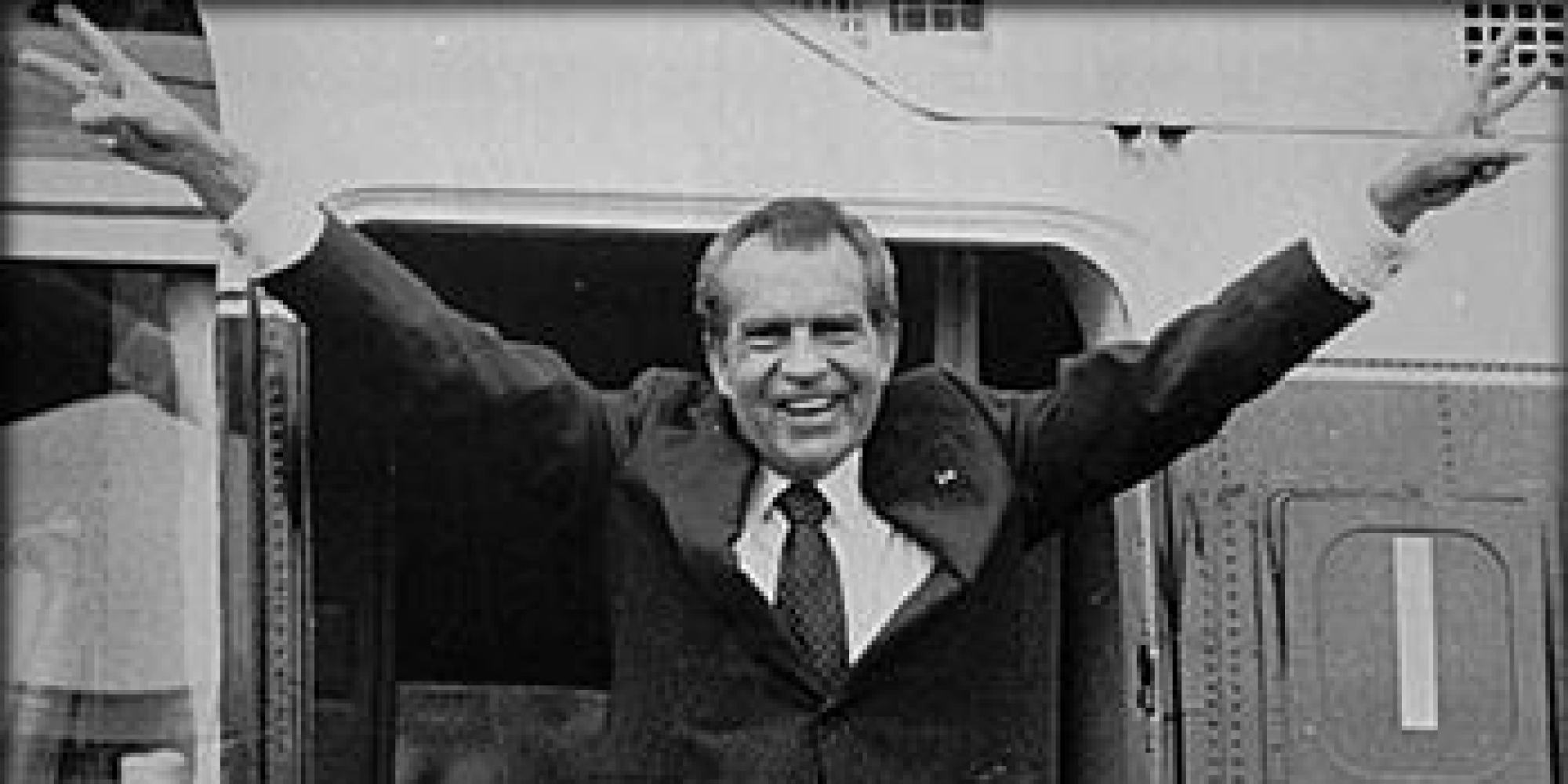
No one is above the law...not even the president.
Bush v. Gore
Marbury v. Madison
Miranda v. Arizona
U.S. v. Nixon
What is it called when the U.S. Supreme Court decides whether something is legal or illegal (unconstitutional)?
supreme court review
due process
segregation
judicial review
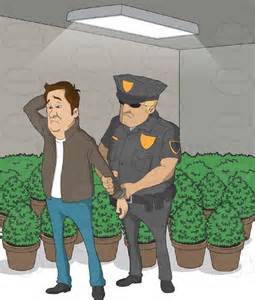
Suspects cannot be questioned (interrogated) until they are informed of their rights (right to remain silent, right to an attorney, etc.)
Brown v Board of Education
Miranda v Arizona
Tinker v Des Moines
Bush v Gore
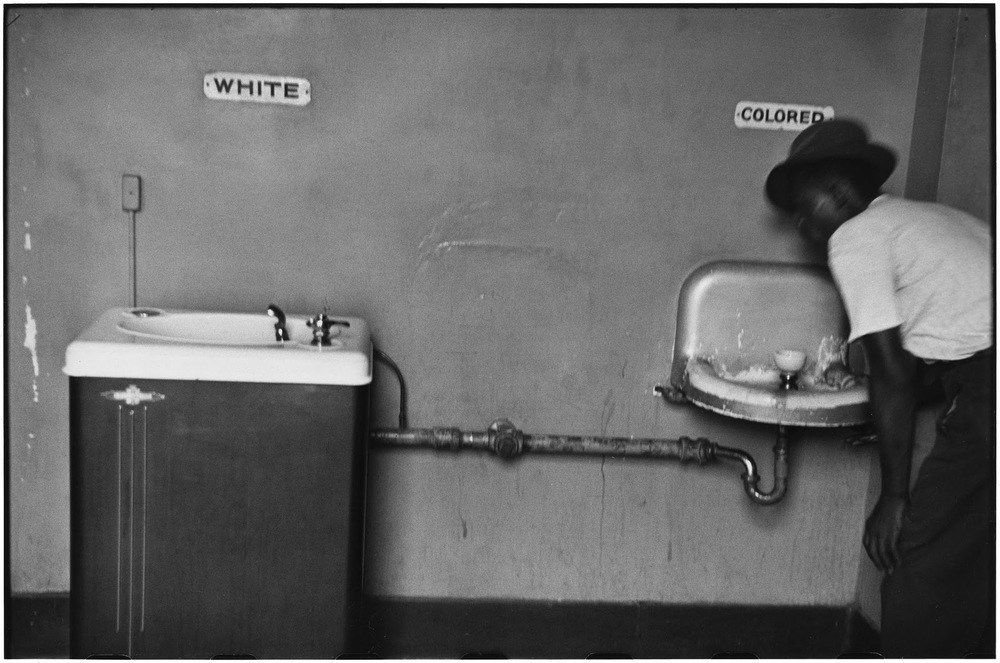
Established “Separate but Equal”, which provided separate public facilities for both whites and blacks as long as they were equal.
District of Columbia v Heller
In Re Gault
Brown v Board of Education
Plessy v Ferguson
A person accused of a crime no matter how poor has the right to an attorney during trial. Enforces the 6th Amendment.
Tinker v Des Moines
Gideon v Wainwright
Miranda v Arizona
United States v Nixon
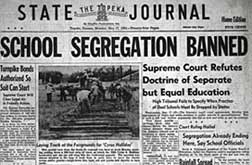
Ruled that “Separate but Equal” was Unconstitutional.
Hazelwood v Kuhlmeier
Marbury v Madison
Plessy v Ferguson
Brown v Board of Education
Juveniles are allowed to have “Due Process” rights. (right to a trial, right to an attorney, right to question witnesses, etc.)
District of Columbia v Heller
Tinker v Des Moines
In Re Gault
Miranda v Arizona
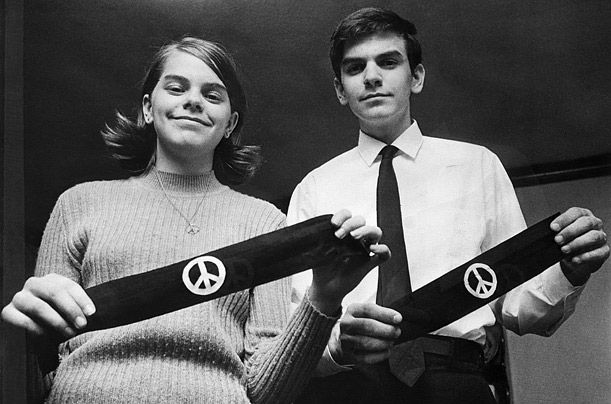
Students have the right to free speech at school as long it doesn’t disrupt school activities. (wearing black armbands in protest)
In Re Gault
District of Columbia v Heller
Hazelwood v Kuhlmeier
Tinker v Des Moines
Allowed for the censorship (blocking) of materials / stories written in school newspapers.
Plessy v Ferguson
Tinker v Des Moines
Marbury v Madison
Hazelwood v Kuhlmeier
Which constitutional principle is applied when police inform suspects of their rights?
due process of law
eminent domain
double jeopardy
trial by jury
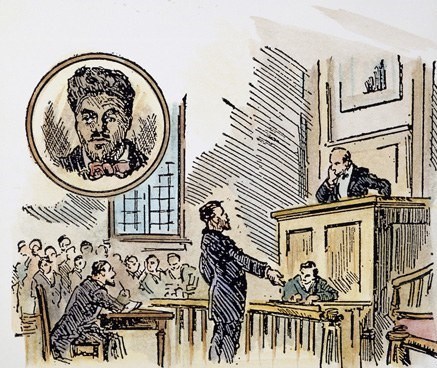
What was the Supreme Court's decision in the Dred Scott case?
That slavery diminished the national character.
That African American rights were protected by the Constitution.
That African Americans did not have the right to sue in federal court because they were not citizens
That slavery should be abolished by executive order
What is called when someone is being forced to testify against oneself?
self-incrimination
reflection
self-process
judicial review

