
 Worksheets
Rock
Total questions: 17
Worksheet time: 10mins
Name
Class
Date
1.
A rock deep within the Earth experiences extreme temperature and pressure. After a long period of time it becomes which rock?
a)
Magma
b)
Igneous
c)
Metamorphic
d)
Sedimentary
2.

This rock was formed when magma cooled very slowly inside the Earth. What specific type of rock is it?
a)
Intrusive Igneous Rock
b)
Extrusive Igneous Rock
c)
Foliated Metamorphic Rock
d)
Clastic Sedimentary Rock
3.

This rock formed when lava cooled very quickly on Earth's surface. What specific type of rock is it?
a)
Extrusive Igneous Rock
b)
Intrusive Igneous Rock
c)
Non-Foliated Metamorphic Rock
d)
Biochemical Sedimentary Rock
4.
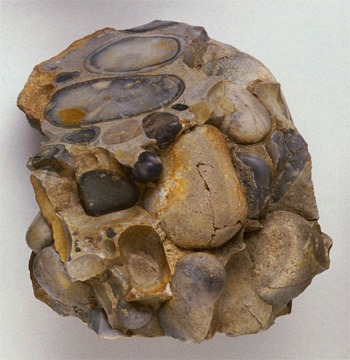
This rock was formed by smaller pieces of rock that settled at the bottom of a lake millions of years ago. What type of rock is this?
a)
Sedimentary
b)
Igneous
c)
Metamorphic
5.
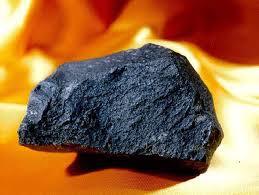
This rock was found near the mouth of a volcano. What type of rock is this?
a)
Sedimentary
b)
Igneous
c)
Metamorphic
6.

When sediments are pressed together tightly, this is called ____________.
a)
Compaction
b)
Cementation
c)
Weathering
d)
Erosion
7.

The process when rocks break into smaller pieces due to exposure to natural elements is called
a)
erosion
b)
weathering
c)
sediments
8.

This rock started as lava that cooled and then was heated and put under pressure over time. What type of rock is this?
a)
Sedimentar
b)
Igneous
c)
Metamorphic
9.

Each rock type can follow only one pathway of the rock cycle.
a)
True
b)
False
10.
What are the 3 major types of rocks?
a)
Igneous, Metamorphic, Sedimentary
b)
Metamorphic, Igneous, Cementation
c)
Brown, Red, Gray
d)
Streak, Hardness, Breakage
11.
The individual particles that make up a rock are known as _____
a)
Grains
b)
Textures
c)
Metamorphs
d)
Lava
12.
Two ways to describe types of igneous rocks are _____
a)
Extrusive and Intrusive
b)
Foliated and Non-Foliated
c)
Clastic and Biochemical
d)
Black and Gray
13.
Intrusive rocks
a)
Forms at earth's surface
b)
Has a fine-grained texture
c)
Form underground
14.
Extrusive rocks
a)
Forms underground
b)
Has a coarse-grained texture
c)
Cool quickly
15.
A slow cooling igneous rock will have _____ crystals
a)
large
b)
small
c)
average
d)
black
16.
What is the most common type of extrusive rock?
a)
basalt
b)
granite
c)
obsidian
d)
porphyry
17.

Coarse or Fine?
a)
coarse
b)
fine
100 %

