
 Worksheets
BIODIVERSITY
Total questions: 50
Worksheet time: 38mins
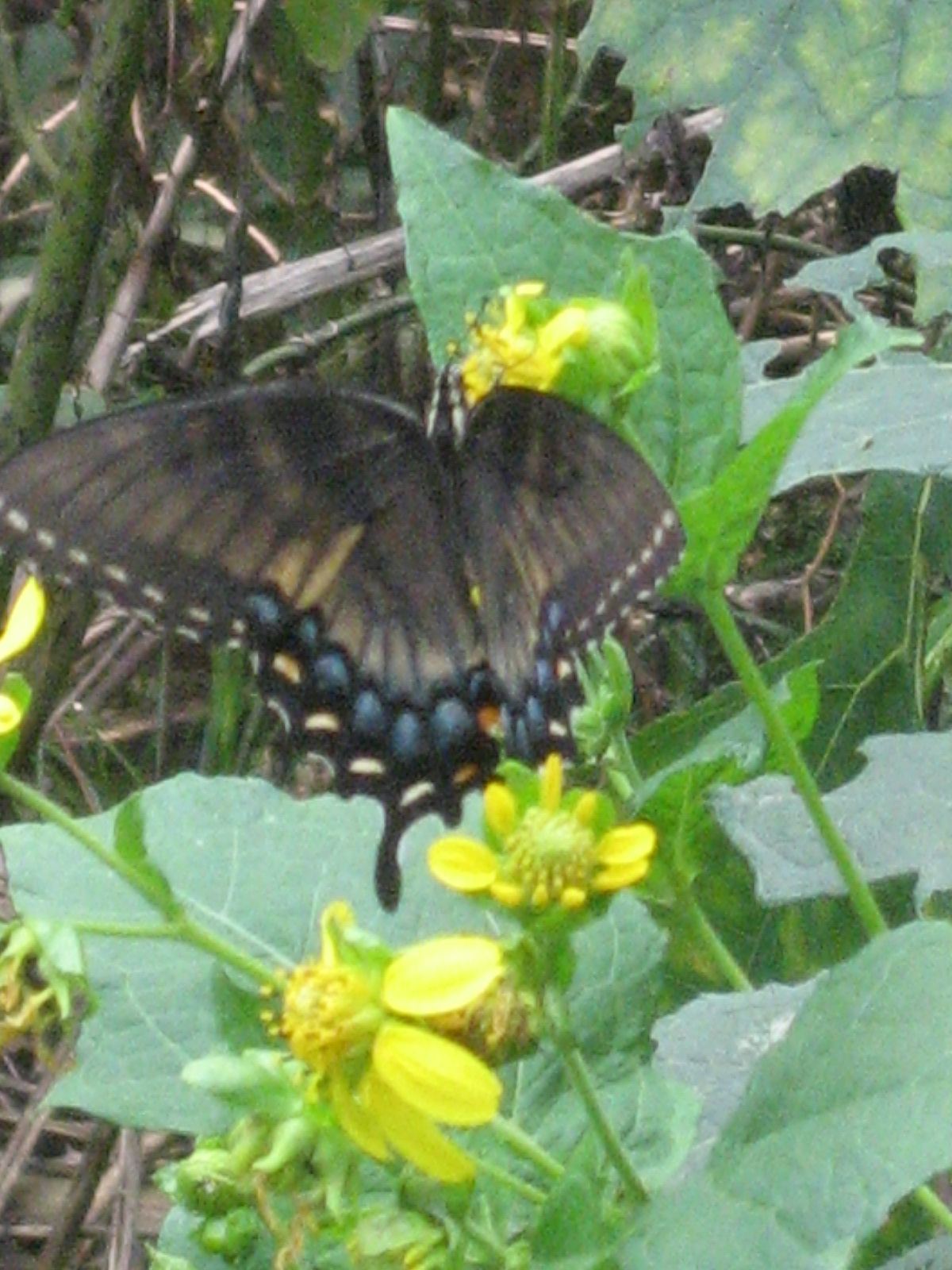
Ctenodiscus crispatus (Mud Starfish)

Which 2 organisms would be able to reproduce and produce fertile offspring?
2 organisms in the same class
2 organisms in the same family
2 organisms in the same genus
2 organisms in the same species
Which of the following statements show characteristics of Archaebacteria?
I. The cell walls do not contain peptidoglycan.
II. There are no membrane-enclosed organelles within their cytoplasm.
III. Their DNA consist of histone proteins.
IV. Their membrane lipid has unbranched hydrocarbon chain.
I, II and III
II, III and IV
I, II and IV
I, III and IV
Which of the following statements are TRUE about organisms in the Domain Bacteria?
I. Consist of bacteria and cyanobacteria
II. Some are photoautotrophs
III. Genetic material is a single stranded DNA
IV. Organelles are not present
I and II
I, II and III
I, II and IV
I, II, III and IV
All answers listed below are true about bacteria except
all are prokaryotes
all are harmful
all are unicellular
they do not have nucleus
What material is found in most bacterial cell walls?
Cellulose
Chitin
Peptidoglycan
Amylose
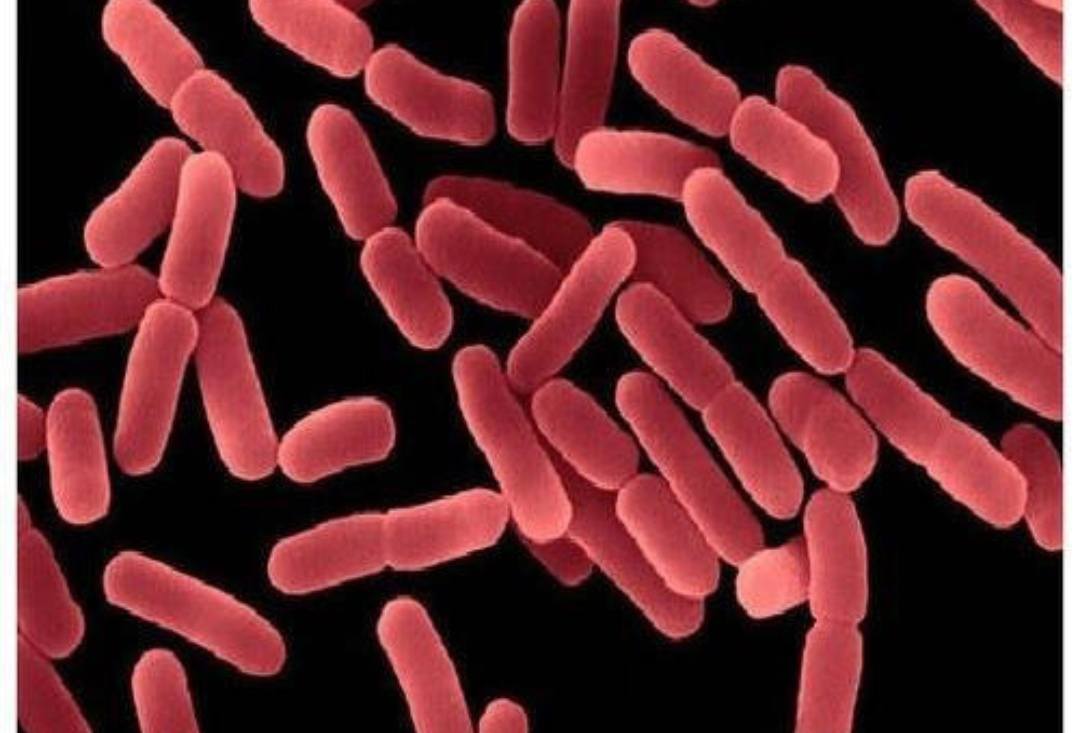
A rod-shaped bacteria is called
spiral
bacillus
coccus
vibrio
Bacteria and Archaebacteria are both prokaryotes. How do they differ to each other?
Bacteria inhabit extreme environment while Archaebacteria inhabit diverse environment.
Bacteria inhabit diverse environment while Archaebacteria inhabit extreme environment.
Both inhabit diverse environment.
Both inhabit extreme environment.

Non-vascular plants belongs to which group?
pteridophytes
bryophytes
gymnosperms
angiosperms
Which of these species belongs to bryophytes?
Polytrichum sp.
Dryopteris sp.
Pinus sp.
Hibiscus rosa-sinensis
Which of the following is the unique characteristics for Kingdom Plantae
cell wall consist of peptidoplycan
carbohydrate storage is glycogen
has alternation of generation
motile
Which of the following is NOT a characteristic of pteridophytes?
Sporophyte generation is dominant
Gametophyte generation is dominant
Produce spores
Has true roots, stems and leaves
Alternation of generations in plants refers to the alternation of
diploid and haploid stages
male and female stages
meiotic and mitotic stages
spore and seed stages
Angiosperms are the most successful terrestrial plants. Which of these features is unique to them and helps account for their success?
Dominant gametophytes
Fruits enclosing seeds
Embryos enclosed within seed coats
Sperm cells without flagella

This plant is classified under
Bryophytes
Pteridophytes
Gymnoperms
Angiosperms
Why Gymnosperms is more advance compared to Pteridophyes?
Vascular plants
Sporophyte generation is dominant
Produce seed
Has true roots, stems and leaves
All statements below is true about gymnosperms EXCEPT
heterosporous
seed does not enclosed within ovary
non-vascular plants
less dependent on water for fertilization
Which of the following is NOT a unique characteristic of Angiosperms?
Double fertilization
Formation of pollen tube
Seed is protected within ovary
Produce cone
Coelomate, exoskeleton and jointed appendages are characteristics of
Annelida
Arthropoda
Mollusca
Chordata
Pharyngeal slits, endoskeleton derived from mesoderm and ventral heart are characteristics for
Annelida
Chordata
Cnidaria
Nematoda
Which phylum and species that has these characteristics
Pseudocoelomate narrow body pointed at both ends Locomotion by contraction of longitudinal muscles Dioecious
Annelida - Pheretima sp
Nematoda - Achatina sp
Nematoda - Ascaris sp
Annelida - Asterias sp
Which of the following is not an arthropod characteristic?
Jointed appendages
Nonsegmented body
molting
exoskeleton
Which phylum is comprised of acoelomate, bilaterally symmetrical and tripoblastic organisms?
nematoda
chordata
porifera
platyhelminthes
Which of the following characteristics is found in all molluscs?
mantle
shell
visceral mass
muscular foot
Which of the following features could be used to distinguish between an earthworm (annelid) and a tapeworm (platyhelminth)?
segmentation
germ layer
body coelom
organization level
Which phylum and species that has these characteristics
- triploblastic
- acoelomate
- specialized excretion cells called flame cell
- has mouth but no anus
- hermphrodite
Platyhelminthes - Ascaris sp
Annelida - Brugia sp
Platyhelmintes - Taenia sp
Annelida - Pheretima sp
All chordates have _________ at some stage in their life cycle
myosin
pharyngeal gills
notochord
anus
dorsal hollow nerve cord
Unique characteristics of cnidaria are
triploblastic
exhibit dimorphism
have coelom
have specialized stinging cells, cnidocytes
consists of protective epidermis and gastrovascular cavity
Which phylum and species that has these characteristics
- bilateral symmetry
- have chaetae/ setae
- have paired of metanephridia
- coelomate
Annelida - Ascaris sp
Nematoda - Acatina sp
Arthropoda - Taenia sp
Annelida - Pheretima sp

This animal is classified under
Nematoda
Annelida
Chordata
Mollusca

