
 Worksheets
Taxonomy/Kingdoms S
Total questions: 11
Worksheet time: 3hrs 45mins
Dogs have many different names to describe them. For example, canine, puppy, dog, hound, etc. In science around the world we use a naming system called what to make it the same across the world? (Hint: two names)
binomial nomenclature
polynomial nomenclature
taxonomy
none of the above

Which organisms are most closely related?
A and B
B and C
C and A
not enough info given

Which level of taxonomy shows the closest relationship between 2 organisms?
kingdom
class
domain
species
The first part of a scientific name is an organism's _______________ and the second part is its ________________.
(Hint: Most specific groups)
species, genus
phylum, order
class, spices
genus, species
What is the importance of using the same taxonomic system to the scientific
community?
To have many different common names for one species.
To organize species cells, tissues, organs, and organ systems.
To have a universal scientific naming system.
To analyze species genetic information.
I can be either a heterotroph or an autotroph-
I am mostly unicellular
I am the "Junk Drawer" kingdom
The only thing for sure about me is that I have a nucleus in my cells...
I am Kingdom ____________ .
Plantae
Protista
Animalia
Fungi
There are many different species of big cats around the world. Why is having a scientific name for each species of an organism important?
to prevent existing named organisms from having their name changed as they become extinct
to keep the classification system from being altered as new organisms are discovered
to allow organisms to be placed in many classification levels at the same time
to standardize the naming and organization of organism to avoid confusion between scientist across the world
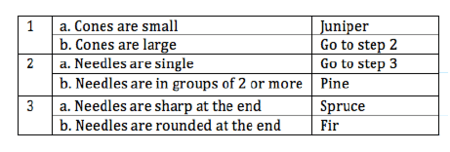
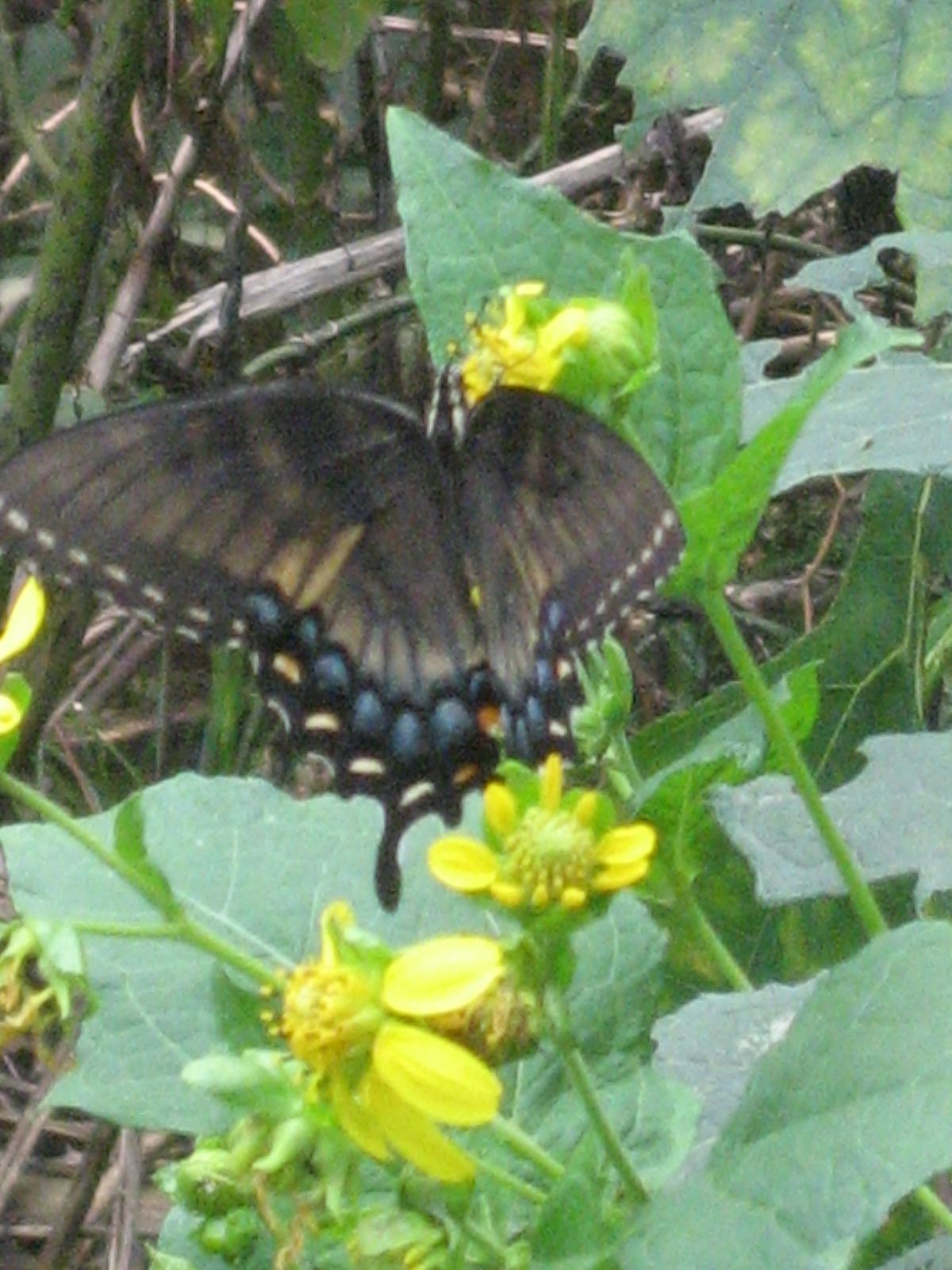
The 8 levels of classification, most broad to most specific.
Genus, Family, Domain, Order, Class, Phylum, Kingdom, Species
Species, Domain, Kingdom, Genus, Phylum, Family, Class, Order
Domain, Kingdom, Phylum, Class, Order, Family, Genus, Species
Order, Kingdom, Species, Domain, Phylum, Family, Class, Genus

