
 Worksheets
iGCSE ECON - The Labour Market
Total questions: 10
Worksheet time: 5mins
The demand for labour is a 'derived demand', meaning that ...
the demand for labour is dependent on the supply of the inputs in the production process
the demand for labour is completely independent of the demand for the product
the demand for labour is dependent upon the demand for whatever the labour produces
the demand for labour is greater than the demand for the product that the labour makes
If the demand for McDonald's hamburgers rose, which of the following diagrams would display the likely impact on the demand for McDonald's workers
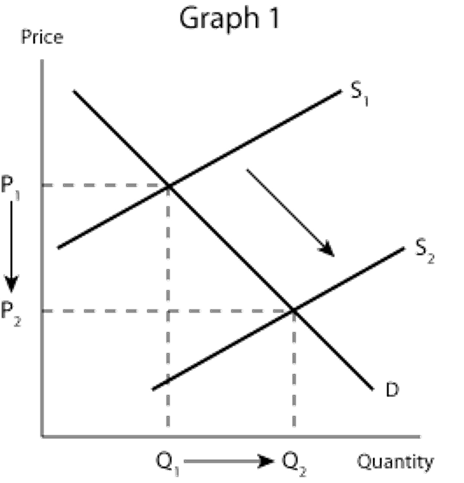
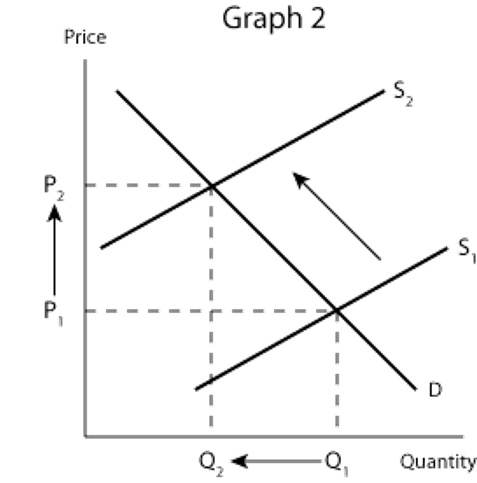
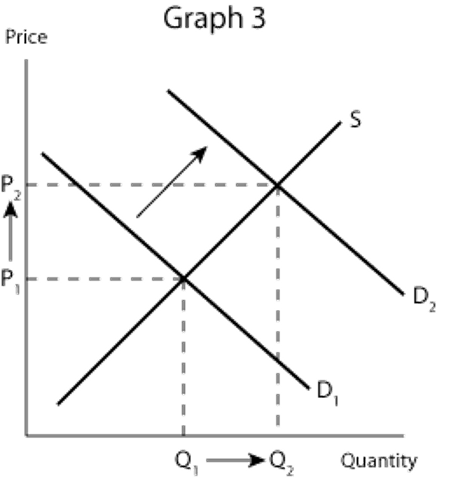
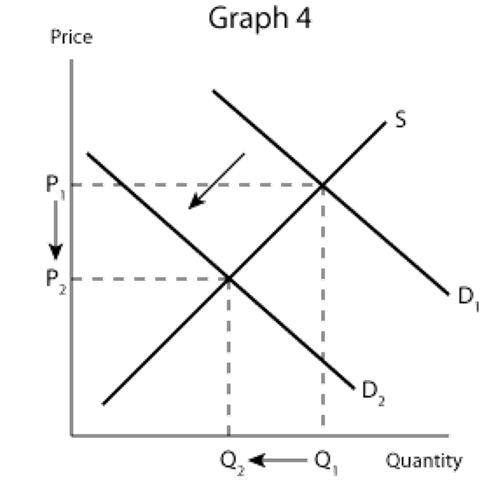
Several factors affect the demand for labour, including all of the following EXCEPT:
The age distribution of the labour market
Availability of substitutes
Productivity of labour
Other employment costs
In relatively low-skilled jobs, we are likely to see a labour supply curve such as which of the following:


The main reason why the supply curve for labour is upward sloping is because ...
... as the wage rate falls, an increasing number of people are prepared to work
... as the wage rate rises, an increasing number of people are prepared to work
... as the wage rate falls, an increasing number of people believe they can do the job
... as the wage rate rises, fewer people feel they can do the job
When dealing with employment, the dependency ratio can be defined as ...
number of dependents / working population
working population / number of dependents over the age of 65
entire population / working population
working population / unemployed population
All of the following are likely to increase the supply of labour EXCEPT:
an increase in migration
an increase in the retirement age
an increase in the school leaving age
an increase in the female working population
The main aims of trade unions are to do all of the following EXCEPT:
negotiate pay and working conditions for its members
provide legal protection for its members
pressure government to pass legislation
provide regular pay cheques and bonuses to its members
Throughout the world, in many countries the power of trade unions has been reduced by government laws such as ...
not allowing businesses to ever sue striking workers
increasing the ability of workers to engage in "secondary picketing"
making 'closed shops' illegal
allowing businesses to strike so long as a quarter of their members agreed
Which of the following will cause wage rates to rise in a labour market?
an increase in the supply of labour
an increase in the demand for labour
an increase in supply and a fall in demand for labour
a fall in the demand for labour

