
 Worksheets
Water Resources
Total questions: 36
Worksheet time: 19mins
Water on the surface of Earth can form lakes or rivers, these are termed ____.
fresh water
infiltration
surface water
groundwater
A lack of water and/or clean water in an area is called ____.
water scarcity
water footprint
As rock becomes more porous...
The more water it can hold
The less water it can hold
The porosity of rock does not determine how much water it can hold
What would be the best definition of permeability?
Percentage of the total volume of a rock or sediment that consists of open spaces
The ability of a rock or sediment to let fluids pass through open spaces or pores
The inability of a rock or sediment to let fluids pass through open spaces or pores
The level below which the ground is saturated with water
The size of an aquifer’s recharge zone is affected by the _________________ of the surface above the aquifer.
Permeability
Porosity
Water table
Desalinization
All are ways human lives are impacted because of changing water resources. Which of the following is an example of a POSITIVE impact?
Dried up rivers/seas can mean that people lose fishing jobs
Dust storms from the newly dried area can impact breathing and air quality
Dried up rivers/seas can mean loss of farmland and income
Water is able to reach farms and towns further away from a river, opening up more places for people to live
True or false: The two major rivers that were connected to the Aral Sea in 1960 are still connected to the Aral Sea today.
True
False
Why don't the 2 rivers reach (dump into) the Aral Sea anymore?
Irrigation to help water the very dry region
Building of a long canal
Both reasons
True or false: Besides for farming, water can be used for generating electricity
True
False
What is irrigation?
the growing of crops and the rearing of animals to provide food, wool, and other products.
supplying water to land or crops to help growth, typically by means of channels.
the generation of electricity using flowing water (typically from a reservoir held behind a dam or other barrier)
Choose all that apply:
Ground water is
fresh
salt water
beneath the surface of the land
frozen all the time
A reservoir is
what you do when you want to have dinner at a fancy place
how you say "see you soon" in french
someone who is shy
a place on Earth where water is stored
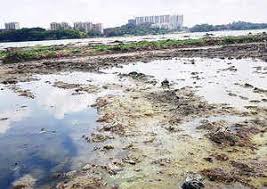
Type of aquatic ecosystem that was once viewed as wasteland and drained by the government
estuaries
coral reefs
open ocean
wetlands
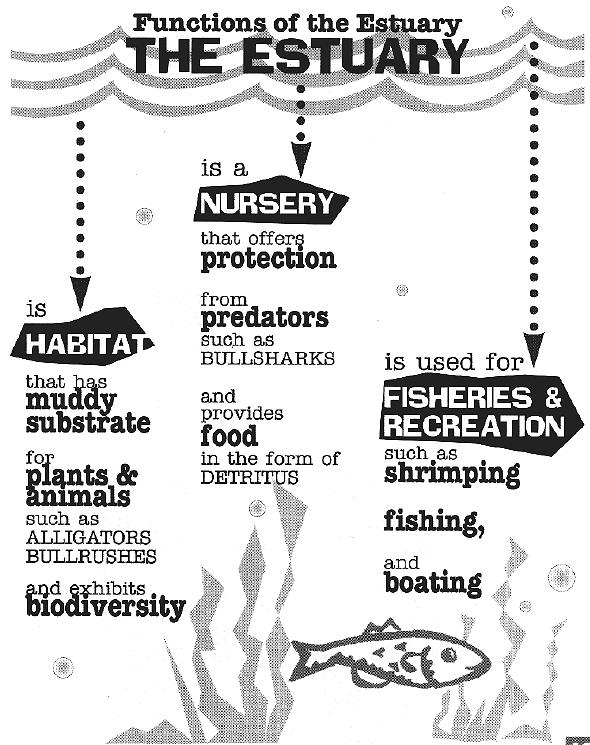
Aquatic ecosystem that serves as a nursery for many species and suffers from pollution from city harbors like the Chesapeake Bay
estuaries
coral reefs
open ocean
wetlands
Requires maximum level of contaminants (MCLs) to meet safety regulations for community tap water supplies
Clean Water Act
Kyoto Protocol
Montreal Protocol
Safe Drinking Water Act
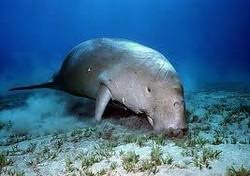
An area where there are cold waters, low oxygen levels, and bottom-dwelling organisms.
benthic zone
littoral zone
limnetic zone
photic zone
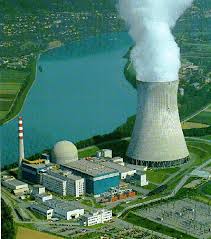
The primary use for water in industry
aquaculture
cooling nuclear power plants
hydroponics
the food and drink industry
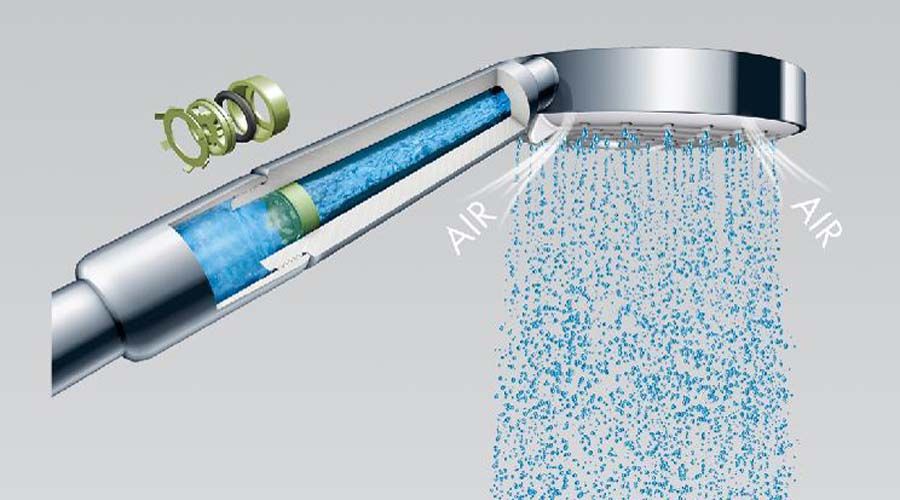
A family of five recently replaced its 7-gallon-per-minute showerheads with water-saving 3-gallon-per-minute showerheads. Each member of the family averages 10 minutes in the shower per day. How many fewer gallons of water will the family use each day with the new showerheads?
40 gallons per day
200 gallons per day
1,000 gallons per day
2,100 gallons per day
Why do water sources need to be conserved?
We have an unlimited amount of fresh water.
Pollution reduces the amount of usable water.
Because we need to save it for the whales

What is the relationship between groundwater and surface water?
Surface water is found in lakes directly above underground water sources.
Groundwater filters through the soil to form surface water.
There is no relationship between surface and groundwater; they form independently.
Surface water percolates through the soil to form groundwater.
Many areas of the world without adequate fresh water have become habitable because:
water conservation has been implemented.
icebergs have been towed in to provide fresh water.
water management projects have diverted water to the area.
rainfall patterns have changed.
Most large cities get water for households and industries from:
deep wells.
pumps connected to springs.
rivers and lakes.
removing salt from sea water.
Which of the following is most likely to cause conflict between two countries that share a river?
The “upstream” country drills a large number of new water wells.
The “upstream” country builds a series of new dams.
The “downstream” country uses an increasing amount of water for irrigation.
New industries dump pollutants into the river near the delta where the river empties into the ocean.
An effective approach to preventing future shortages of usable water should focus on:
emphasizing the additive effect of individual attempts to conserve water.
reducing the pollution of existing water sources by education and enforcement.
developing and refining new ways to produce fresh water such as desalination.
Which of the following is a true statement about the social and environmental impact of dams?
When dams are built along a shared river it can result in disputes between neighboring countries.
Environmental concern is one reason for their decreased construction.
Dams allow a river’s natural power to be converted into useful energy.
Land behind the dam undergoes change because of the change in the flow of the river.
All of the above statements are true.

