wayground logo

Free Printable Worksheets

NEW

Font size

S
M
L
XL
Worksheets

9_1 Using Computers Final Quizizz

Total questions: 70

Worksheet time: 37mins

Name
Class
Date
1.
What are the four tasks(classifications)  that make up a computer?
a)
input, color, pixels, and application
b)
input, output, process, store
c)
printers, output, monitors, microphones
d)
keyboards, mouse, joysticks, and memory card
2.

What are all of these?

a)

Documents

b)

Software

c)

Hardware

3.
Keyboard, mouse, scanner and webcam are examples of which devices?
a)
Input
b)
output
c)
Software
d)
USB
4.
Headphones, speakers, monitor and printer are examples of which type of devices?
a)
Input
b)
Output
c)
Software
d)
Hard Drive
5.
What are the programs that run on a computer system called? 
a)
Algorithms
b)
Code
c)
Software
d)
Languages
6.
Is this device Input or Output?
Monitor
a)
Input
b)
Output
7.
Is this device Input or Output?
Mouse
a)
Input
b)
Output
8.
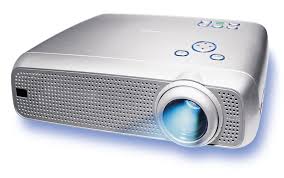
Is this device Input or Output?
Projector
a)
Input
b)
Output
9.
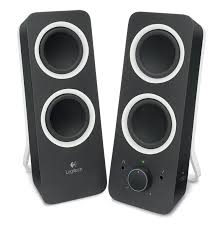
Is this device Input or Output?
Speaker
a)
Input
b)
Output
10.

A portable storage device

a)

mouse

b)

flash drive/Memory stick/USB Stick

c)

PS4 remote

11.

If you are shopping at Tescos and you need to know the price of an item, you could use a _____________.

a)

Barcode Scanner

b)

Scanner

c)

Web Cam

12.
If you want to put some old paper pictures into your computer, you could use a
a)
SD Card
b)
flash drive
c)
scanner
13.
What does RAM stand for?
a)
Random All Memory
b)
Read All Memry
c)
Random Access Memory
d)
Read Access Memory
14.
More memory usually means that the computer is faster
a)
TRUE
b)
FALSE
15.
If the RAM is upgraded from 512MB to 4GB, what will be the biggest benefit?
a)
More programs and data can be opened at the same time
b)
The operating system will be faster
c)
There will be more hard drive space
d)
The computer will be quicker if you open a document
16.
 Random Access Memory (RAM) falls into the category of the so-called volatile storage media. It requires a continuous flow of electricity to preserve its contents thus all the data stored in RAM lasts only while the power is on.
a)
True 
b)
False
17.
What does ROM stand for?
a)
Random Only Memory
b)
Random Only Memory
c)
Rapid Only Machine
d)
Read Only Memory
18.
Which of these is not stored in the RAM?
a)
Applications
b)
Operating System
c)
PC start up data
d)
User Interface
19.
Which of these is physically closer to the CPU?
a)
Hard Drive
b)
RAM
20.

What is processor speed measured in?

a)

Hertz

b)

Watts

c)

Amps

d)

Volts

21.
ROM Vs RAM: What is used to boot up the computer when it is switched on...
a)
RAM
b)
ROM
22.
Identify this computer part.
a)
CPU
b)
hard disk drive
c)
RAM module
d)
motherboard
23.
What happens if you don't have enough RAM?
a)
Your computer will slow down because it has to load everything from the Hard Drive
b)
Your computer will speed up
c)
You won't get much wool from your sheep
d)
Your computer will run out of Hard Drive Space
24.
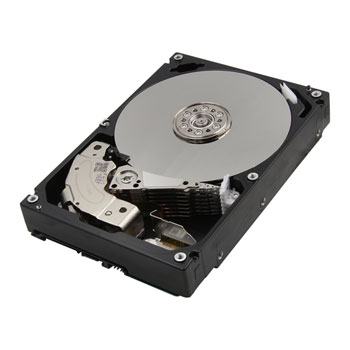
Identify this computer part.
a)
CPU
b)
hard disk drive
c)
RAM module
d)
motherboard
25.

What is the main circuit board of a computer called?

a)

Central Processing Unit

b)

Power Supply

c)

Motherboard

d)

Random Access Memory

26.
What are registers used for?
a)
To check that students are in school.
b)
To temporarily hold bits of data needed by the CPU.
c)
To make sure that the CPU runs properly.
d)
To make the CPU faster.
27.
What does CPU stand for?
a)
Control Processing Unit
b)
Central Processing Unit
c)
Central Power Unit
d)
Center Power Unit
28.
What is the program counters job?
a)
To count the programs
b)
It contains the memory address of the next instruction to be loaded
c)
It stores instructions
d)
It carries out the calculations
29.
Which of the following is a job of the control unit?
a)
To start up the computer
b)
To manage the fetch decode execute cycle
c)
To create presentations
d)
To carry out calcul
30.
What is a bus?
a)
A circuit that connect one part of CPU to other components.
b)
A type of long term memory
c)
A type of permanent memory
d)
A method of transport
31.
How can a bigger cache improve CPU performance?
a)
By being able to carry out more calculations
b)
By being able to store more recently used instruction inside the CPU for quicker access times
c)
By being able to 
32.
Without a CPU the computer would not work.
a)
true
b)
FALSE
33.
As soon as the computer is switches on the CPU begins processing data
a)
true
b)
FALSE
34.
Which two main components make up a CPU
a)
Control unit and Processing unit
b)
Control unit and RAM
c)
Control unit and Arithmetic Logic unit 
d)
Flash storage and Arithmetic Logic unit 
35.
ALU stands for
a)
Arithmetic Logic unit 
b)
Arithmetic Legal unit 
c)
Anti Logic unit 
d)
Arithmetic Logic undo
36.
A CPU can contain one or more processing units. Each unit is called a ___.This is one of the  key factors about CPU architecture that affect its performance.
a)
Core
b)
Intel
c)
AMD
d)
Megabite
37.
Indicates how fast the CPU can run
a)
Cache size
b)
Core
c)
Intel
d)
Clock speed
38.
___ are circuits on the motherboard that connect the CPU to other components. There are many ____ on the motherboard. 
a)
Cores
b)
Buses
c)
Hard drives
d)
Clocks
39.

Describe the tasks that the arithmetic and logic unit carries out

a)

Fetches the data/instructions, decodes it and sends the signals via buses to the hardware components.

b)

Carries out calculations and comparisons, to see if one value is larger than another.

40.

The Fetch-Decode-Execute cycle runs continuously when the computer is turned on.

a)

True

b)

False

41.
Clock speed measures what?
a)
Speed at which instructions are fetched from main memory
b)
Time taken to perform a single Fetch-Decode-Execute cycle
c)
Number of Fetch-Decode-Execute cycles that can be completed in 1 sec
d)
Speed at which instructions are decoded 
42.
What does ALU stand for?
a)
Arguable Logic Unit
b)
Arithmetic Larger Unit
c)
Arithmetic Logic Unit 
d)
Arithmetic Logic Utility
43.

The small very high speed storage areas within the processor are known as..?

a)

Registers

b)

Addresses

c)

Cache

d)

Buses

44.

Accumulator

a)

Stores the address of the next instruction in memory

b)

Stores the address of where the next item will be fetched from

c)

Stores data fetched from memory, or waiting to be stored in memory

d)

Stores the result of arithmetic calculations

45.

The Control Unit

a)

Controls the flow of data around the CPU and also decodes instructions

b)

Only controls the flow of data around the CPU

c)

Only decodes instructions

d)

Controls how much power is directed to all components within the computer

46.
What is the purpose of Cache?
a)
Performs Arithmetic and Logical operations
b)
Decodes and directs instructions to be carried out
c)
Stores frequently used data and instructions
d)
Processes graphical functions
47.
The correct order is
a)
Fetch, Decode, Execute
b)
Decode, Execute, Fetch
c)
Execute, Decode, Fetch
d)
Decode, Fetch, Execute
48.
During the fetch execute cycle, the CPU fetches, decodes and executes a _________
a)
instruction
b)
bit
c)
token
d)
message
49.

RAM stands for?

a)

Random Access Memory

b)

Read Access Memory

c)

Read Any Memory

d)

Random Access Management

50.

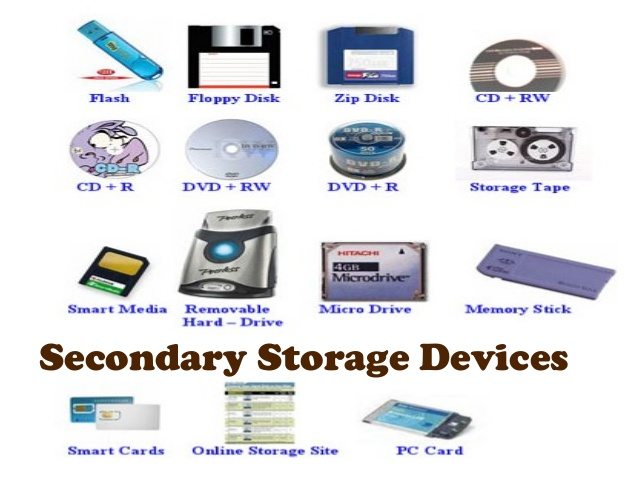
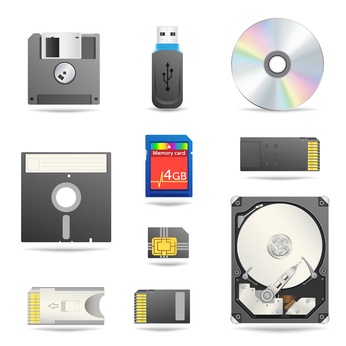
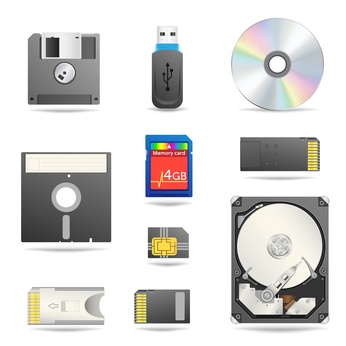
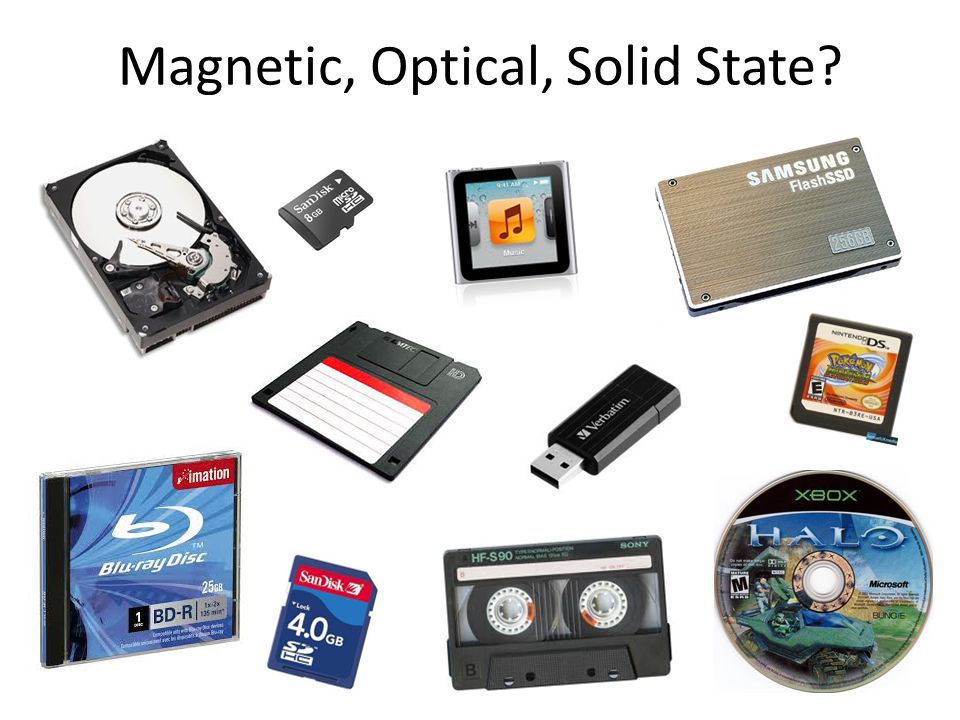
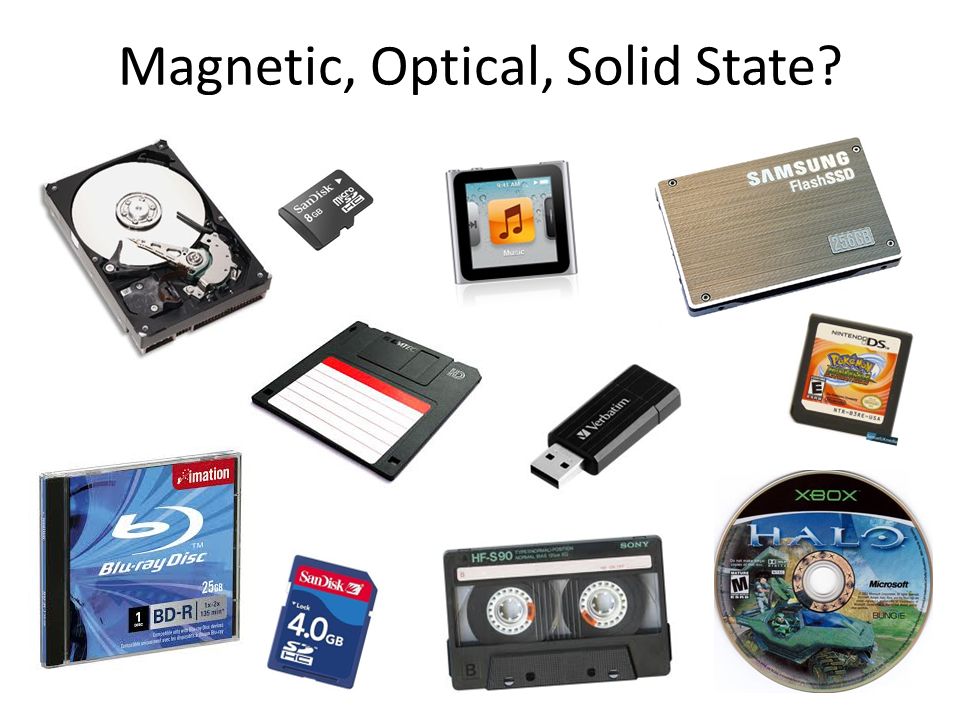
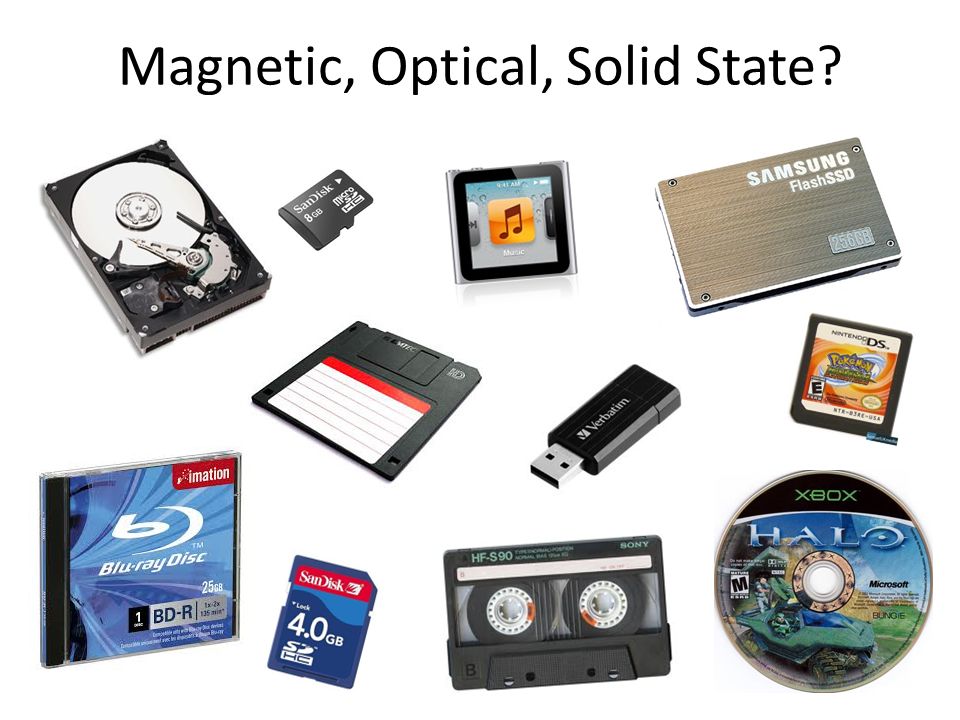
Secondary storage devices can be grouped into three categories - what are they?

a)

Magnetic, Flash and Optical

b)

Magnetic, Optical and Solid State

c)

Solid State, Flash and Hard Drives

d)

Hard Drives, CDs and USBs

51.

Hard Disk Drives are a type of...

a)

Optical storage device

b)

Magnetic storage device

c)

Solid State memory

d)

Primary memory

52.

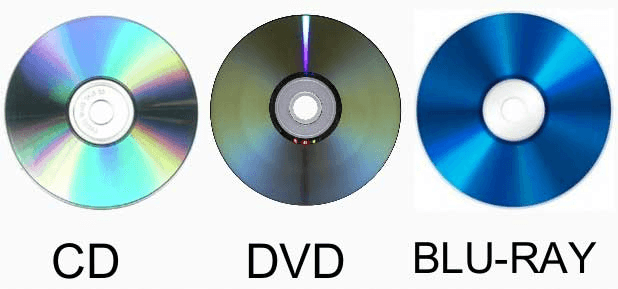
CDs, DVDs and Blu-Rays are all types of...

a)

Magnetic storage devices

b)

Optical storage devices

c)

Solid State memory

d)

Primary memory

53.

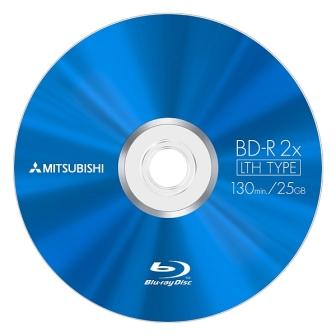
What category of storage is a Blu-Ray disk?

a)

Magnetic

b)

Optical

c)

Solid State

d)

Primary memory

54.

Which of the 3 categories of secondary storage is the least durable due to its moving parts?

a)

Optical storage

b)

Primary memory

c)

Solid state storage

d)

Magnetic storage

55.

Which category of secondary storage devices has the fastest access speeds? (i.e. quicker to read and write to)

a)

Magnetic storage

b)

Solid state storage

c)

Primary memory

d)

Optical memory

56.

Which category of secondary storage devices has the slowest access speeds? (i.e. slower to read and write to/from)

a)

Magnetic devices

b)

Optical devices

c)

Solid state memory

d)

Primary storage

57.

Which category of secondary storage devices uses semiconductor chips to store data? It is also known as flash memory.

a)

Magnetic storage

b)

Optical storage

c)

Solid state

58.

Which of the TWO categories of secondary storage devices are highly portable? (i.e. easy to carry)

a)

Magnetic and Optical

b)

Solid state and Optical

c)

Solid state and Magnetic

59.

Which of the 3 categories of secondary storage are the cheapest to buy, per megabyte (MB)?

a)

Magnetic

b)

Optical

c)

Solid State

60.
Which type of storage has moving parts?
a)
Hard Disk Drive
b)
Flash Drive
c)
DVD
d)
Solid State Drive
61.
Magnetic disks are organised into.....
a)
circles and wedges
b)
sectors and tracks
c)
chunks and stretches
d)
disks and docks
62.
Which of these is an example of Cloud storage?
a)
Office 365
b)
Windows
c)
Android
d)
Zip Drive
63.
Which is a disadvantage of cloud storage?
a)
It's expensive
b)
It doesn't last long
c)
It could be a security risk
d)
It's 
64.

What is the term for a computer that performs tasks normally associated with humans?

a)

Virtual Reality

b)

Augmented Reality

c)

Genetic Engineering

d)

Artificial Intelligence

65.

What is the Internet of Things?

a)

Connection of devices via the Internet

b)

Devices immersed into everyday life

c)

Devices that can use 5G

d)

Just things on the Internet

66.
CDs and DVDs have been replaced largely by:
a)
Blu-ray.
b)
USB storage devices.
c)
external hard drives.
d)
cloud storage and the Internet.
67.
Machines are programmed to imitate a human
a)
Expert System
b)
Robotics
c)
Cryptography
68.
The technology that uses parts of a person's body for identification purpose
a)
Artificial Intelligence
b)
Robotics
c)
Biometrics
69.
Define the term 'virtual reality'
a)
Where parts of a person's body are used for identification purposes.  They are unique
b)
A software environment that recreates a real-world or imaginary scenario like a game
c)
The use of computers to encrypt data so that messages can be sent with complete privacy
d)
Where images are made to appear three-dimensional and have 'depth'
70.
Where is virtual reality used?
a)
Training soldiers in combat using battlefield simulations
b)
In three-dimensional (3D) films
c)
To allow access to buildings
d)
To create prototypes of cars or any object