
 Worksheets
Enzymes and how they are affected by temperature and pH
Total questions: 15
Worksheet time: 14mins

What is the purpose of an enzyme?
give permission for the reaction
raise activation energy
speed up reactions
control how many reactions occur

What is the name for the mechanism of enzyme activity?
Lock and key
jigsaw puzzle
hammer and nail
two hands pattern
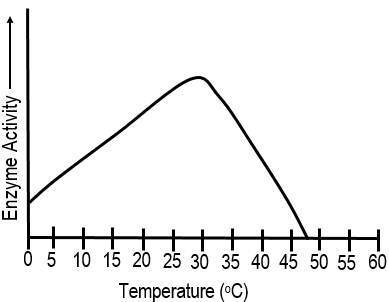
Enzymes have a optimum ph
true
false
What ph do enzymes work best at?
1-3
4-5
6-8
9-14
What temperature do human enzymes work best?
39 degrees Celsius
12 degrees Celsius
20 degrees Celsius
37 degrees Celsius

Enzymes are called____
catalysts
products
substrates
reactants

Compare the two pathways, which pathway shows the reaction that has taken place with the help of an enzyme?
Pathway 1
Pathway 2
You cannot tell from these graphs.
Both reactions involved an enzyme.

Looking at the graph, how would you know which reaction took place with the help of an enzyme?
The peak for the activation energy is lower.
The peak for the activation energy is higher.
There is less energy in the products than the reactants.
There is no way to really tell which line on the graph shows a reaction that takes place with a reaction.


The enzyme Amylase breaks down _______________________
vitamins
proteins
lipids
starches
water

