
 Worksheets
Chemical bonding
Total questions: 20
Worksheet time: 40mins
An interaction that holds two atoms together called?
Chemical Bond
Covalent Bond
Ionic Bond
Metallic Bond
Typically, atoms are more stable when they are
bonded together
apart from each other
Why do atoms bond?
They typically don't bond
To add or take away energy levels
To have a full valance shell.
To have a full inner shell
Valence electrons are
neutral (no charge)
found in the outer most energy level of the atom
equal to the number of protons


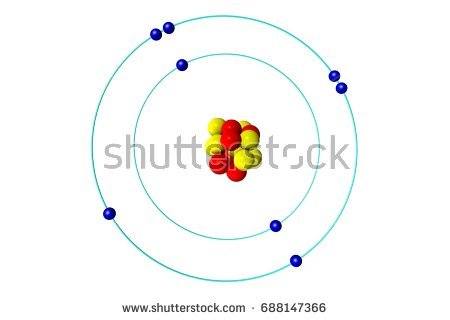
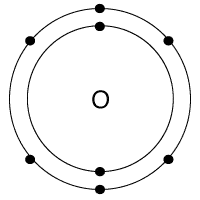
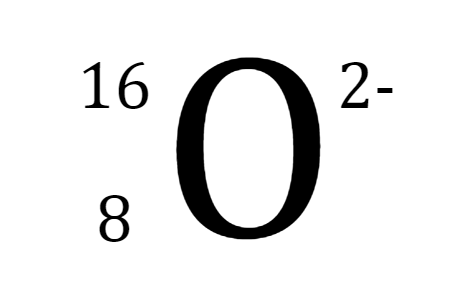
Which is the correct Lewis Structure for oxygen?

2. Ionic Bonding involves:
The transfer of protons
The transfer of neutrons
The transfer of electrons
None Of the above
Ionic bonding is between a
nonmetal and nonmetal
metal and nonmetal
metal and metal
Depends on the situation
5. What happens when the sodium atom loses an electron?
It become negatively charged
It become positively charged
none

Which bond does this picture best represent?
Metallic bond
ionic bond
covalent bond
James Bond
Which type of bond occurs between non metals?
covalent bonds
ionic bonds
metallic bonds
all types of bonds
The most electronegative element is
Chlorine
Fluorine
Iodine
Sodium
The reason for the existance of water in liquid state is
covalent bonding
hydrogen bonding
permanent dipole attractions
Van der Waals forces
Ammonium ion (NH4+) is an example for
Covalent compound
Ionic compound
Coordinate compound
Metallic compound
Coordinates bonds are also called ..
ionic bonds
covalent bonds
Dative bonds
Metallic bonds

