wayground logo

Free Printable Worksheets

NEW

Font size

S
M
L
XL
Worksheets

Weather So Far-4/7

Total questions: 32

Worksheet time: 1hrs 17mins

Name
Class
Date
1.
The short-term condition of the atmosphere .
a)
Climate
b)
Weather
2.

Which of the following best describes weather?

a)

day to day conditions of the atmosphere at a place in regards to heat, dryness, sunshine, wind, rain, etc.

b)

long-term conditions (months/years) of the atmosphere at a place in regards to heat, dryness, sunshine, wind, rain, etc.

3.

Which of the following best describes climate?

a)

day to day conditions of the atmosphere at a place in regards to heat, dryness, sunshine, wind, rain, etc.

b)

long-term conditions (months/years) of the atmosphere at a place in regards to heat, dryness, sunshine, wind, rain, etc.

4.
________is the instrument used to measure air pressure.
a)
barometer
b)
thermometer
c)
mercury
d)
watch
5.
High pressure will usually bring what kind of weather?
a)
clear and dry
b)
cloudy and wet
6.
Low pressure will usually bring what kind of weather?
a)
Sunny
b)
Calm
c)
Stormy
7.
Clouds are made up of tiny drops of ______ or ice. The moisture in the cloud affects the weather.
a)
dust
b)
water
c)
cloud particles
d)
precipitation
8.
They are highest clouds in the sky. They look curly, white and feathery. Usually mean good weather.
a)
Cumulus
b)
Cumulonimbus
c)
Cirrus
d)
Stratus
9.
These clouds are the closest to the ground. Their name means layer- or sheet like. They bring rain or snow and cover most of the sky. 
a)
Cirrus
b)
Stratus
c)
Cumulonimbus
d)
Cumulus
10.
what type of cloud is shown?
a)
cumulus
b)
cirrus
c)
stratus
11.
Nimbostratus and cumulonimbus clouds can signal what type of upcoming weather?
a)
fair skies
b)
hot, sunny weather
c)
windy weather
d)
rainy weather
12.
What is the water cycle?
a)
the 3 forms of water
b)
the movement of water on, above, or below the surface of the Earth
c)
when water melts
d)
when clouds form
13.
Which of these is an example of precipitation?
a)
snow
b)
air
c)
clouds
d)
vapor
14.
Which best explains why runoff is important?
a)
It returns water to other locations on Earth
b)
It increases the chance of flooding
c)
It makes evaporation occur faster
d)
It increases condensation
15.
What is it called when plants give off water vapor as a waste product?
a)
condensation
b)
evaporation
c)
sublimation
d)
transpiration
16.
What is A?
a)
Evaporation
b)
Condensation
c)
Precipitation
d)
Runoff
17.
What is B?
a)
Evaporation
b)
Condensation
c)
Precipitation
d)
Runoff
18.
What is      D?
a)
Evaporation
b)
Condensation
c)
Precipitation
d)
Runoff
19.

Where do MARITIME air masses form?

a)

Over water

b)

Over land

20.

Where do CONTINENTAL air masses form?

a)

Over water

b)

Over land

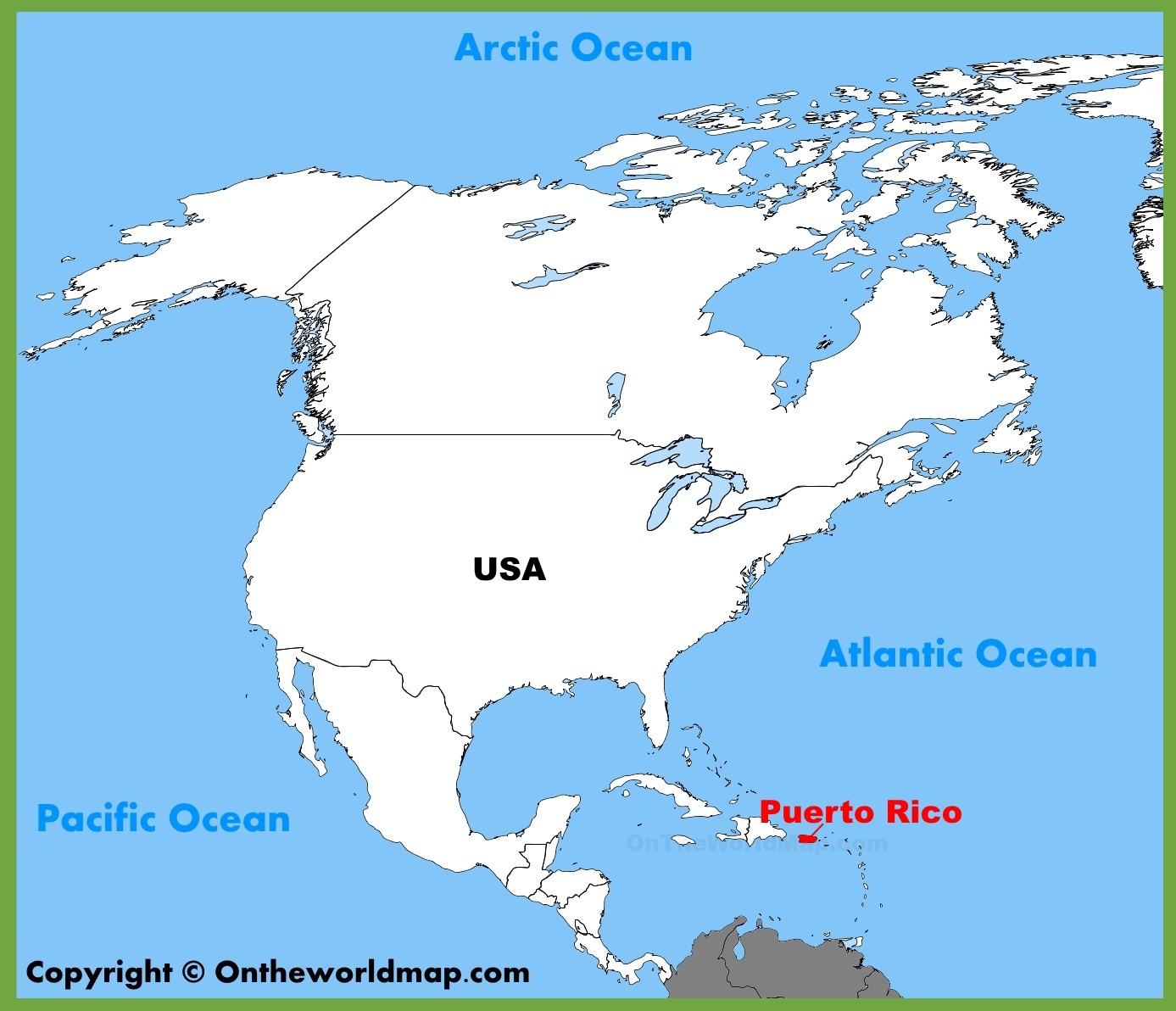
21.

What type of air mass is found over PUERTO RICO?

a)

Maritime Polar

b)

Maritime Tropical

c)

Continental Polar

d)

Continental Tropical

22.

What type of air mass is found over EGYPT?

a)

Maritime Polar

b)

Maritime Tropical

c)

Continental Polar

d)

Continental Tropical

23.

Which type of air mass is HOT and DRY?

a)

Maritime Polar

b)

Maritime Tropical

c)

Continental Polar

d)

Continental Tropical

24.

Which type of air mass is HOT and HUMID?

a)

Maritime Polar

b)

Maritime Tropical

c)

Continental Polar

d)

Continental Tropical

25.

Which type of air mass is COLD and HUMID?

a)

Maritime Polar

b)

Maritime Tropical

c)

Continental Polar

d)

Continental Tropical

26.

Which type of air mass is COLD and DRY?

a)

Maritime Polar

b)

Maritime Tropical

c)

Continental Polar

d)

Continental Tropical

27.

When a warm front occurs, what type of weather does it bring?

a)

thunderstorms

b)

warm and clear

c)

hail

d)

clouds and long rains

28.

What happens when two air masses meet?

a)

a hurricane occurs

b)

a dog barks

c)

a front is created

d)

warm air enters

29.

What kind of front results in thunderstorms?

a)

warm front

b)

cold front

c)

occluded front

d)

stationary front

30.

Which front does this show?

a)

cold front

b)

warm front

c)

stationary front

d)

occluded front

31.

Hurricanes form in which type of air mass?

a)

Continental polar

b)

Continental tropical

c)

Maritime polar

d)

Maritime tropical

32.
What does this symbol on a weather map indicate? 
a)
High pressure system
b)
Low pressure system
c)
Cold front
d)
Warm front