
 Worksheets
Arthropoda & Echinodermata
Total questions: 48
Worksheet time: 25mins


What body segment does a crayfish have, that a grasshopper does not?
thorax
exoskeleton
spiracle
cephalothorax

By what process do arthropods grow out of their exoskeletons?
Shedding
Molting
Cracking
Metamorphosis

The small appendages found on the crayfish that aid in swimming and reproduction
swimmerets
walking legs
antennules
uropod

Crustaceans are decapods, meaning they have _______ legs.
4
6
8
10

____________ are the jaws of an insect.
pedipalps
labrums
maxillae
mandibles
Which of the following is NOT a characteristic of arthropods?
Exoskeleton
Jointed appendages
Segmented body
Endoskeleton
Which of the following is NOT a function of the exoskeleton
Protection
Prevents water loss
Attachment of muscles
Aids in digestion
Which of the following does not belong in subphylum Crustacea?
Crayfish
Crabs
Shrimp
Millipedes
Echinoderms have endoskeleton
True
False

What are these?
Mouth
Anus
Madreporite
Tube feet
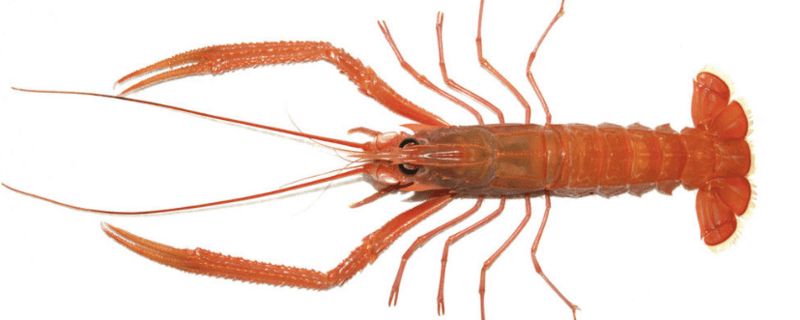
Arthropods have ____________ symmetry.
radial
none
jointed
bilateral
The term 'arthropod' literally means
bent leg
jointed foot
bent foot
jointed skeleton
The phylum arthropoda is the largest animal group on the planet.
True
False

Which of the following correctly describes a crayfish's body regions?
head, thorax, abdomen
head, abdomen
cephalothorax, abdomen
head, cephalothorax
Which of the following crayfish structures is used for gas exchange?
Malpighian tubules
Green glands
Gills
Book lungs
Why do arthropods molt?
It happens for no reason
The females don't like the one that they had
The exoskeleton doesn't grow with the arthropod
They are done hibernating
Molting is dangerous business since:
it has to occur at the right time
at that time they are vulnerable to predators
it takes a very long time to occur
it releases scents to the water predators can follow easily
Millipedes are different from centipedes because millipedes ___.
have more legs per segment
secrete venom
are predators
hae flattened bodies
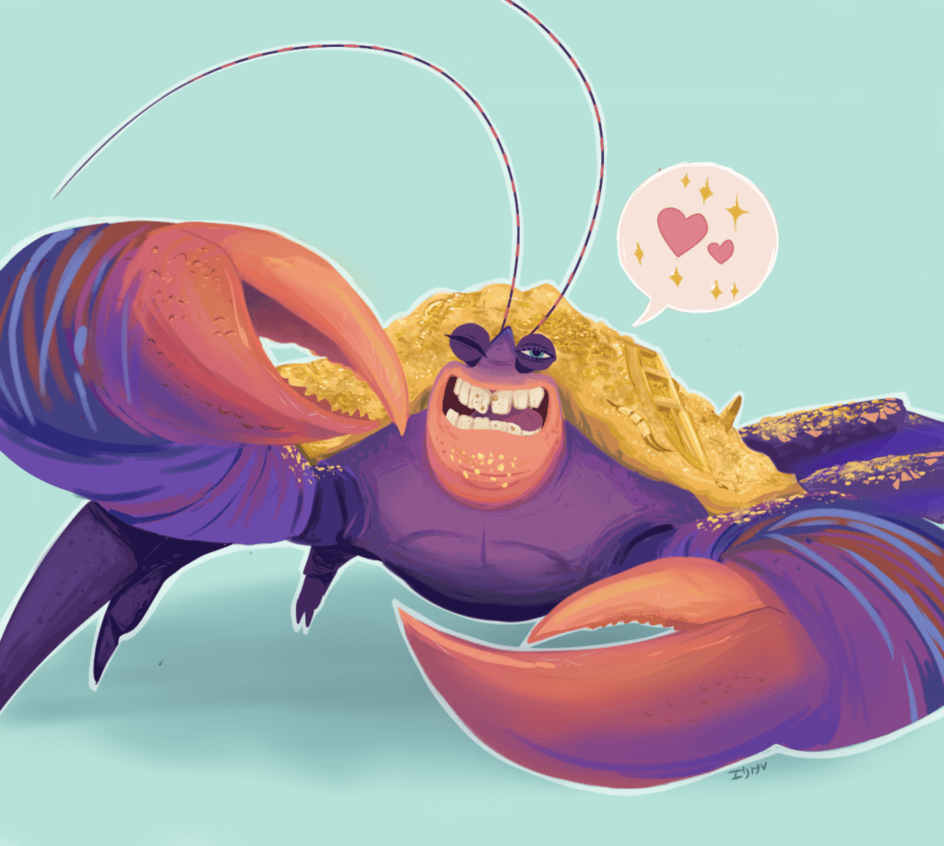
which of the following is NOT a decapod?
shrimp
sea spider
lobster
crab
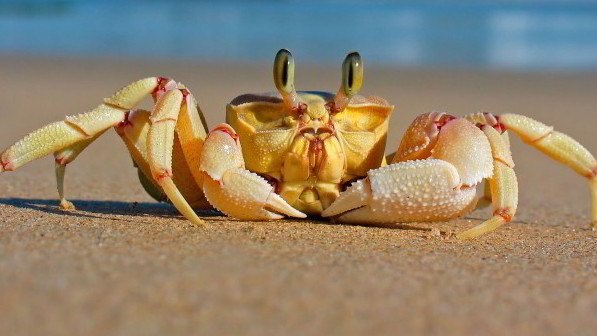
decapods have ______ legs.
8
10
12
20
which is a major defense mechanism of sea cucumbers?
squirts out internal organs
change color
grabs predator with tube feet
shoot inky substance out of its mouth


What is the process of regeneration?
When an animal sheds its exoskeleton.
When an animal can clean the ocean floor.
When an animal can regrow a body part.
When an animal recycles plastic bottles and cans.
What does the prefix penta refer to?
5
10
3
7
Which of the following are arthropods? Check all that apply
ladybug
squid
crab
sea cucumber
Which of the following are echinoderms?
sand dollar
sea urchin
spider
sea star
Which of the following are true about arthropods?
they have an exoskeleton
jointed legs
segmented bodies
all are carnivores
Which body parts would be found on an insect?
antennae
legs
thorax
cephalothorax
abdomen
A spider has (a) legs.
A butterfly has (a) legs


A network of water filled canals with thousands of tubes connected to it.
tube feet
sea star
water vascular system
endoskeleton
Which of the following lists the correct order in which water travels through the water vascular system?
tube feet, stone canal, madreporite, radial canal, ring canal, ampullae
stone canal, radial canal, ring canal, ampullae, tube feet, madreporite
ring canal, radial canal, ampullae, tube feet, stone canal madreporite
madreporite, stone canal, ring canal, radial canal, ampullae, tube feet


What is number 2?
Spinneret
Legs
Chelicera
Pedipalps

What is number 5?
Chelicera
Spinneret
Pedipalps
Abdomen

