
 Worksheets
Eyes, Ears, Tongue, and Nose
Total questions: 35
Worksheet time: 26mins


LIGHT ENTERS THE EYE THROUGH THE PUPIL, AN IMAGE FORMS ON THE RETINA AND THEN THE RETINA SENDS THE INFORMATION TO OUR ___________
EYES
BRAIN
IRIS
EYELIDS
OUR EARS HAVE THREE PARTS: OUTER EAR, MIDDLE EAR AND INNER EAR. WHERE CAN YOU FIND THE EARDRUM AND THE THREE SMALL BONES?
OUTER EAR
MIDDLE EAR
INNER EAR
IN THE NOSE

WHERE CAN YOU FIND THE COCHLEA?
IN THE OUTER EAR
IN THE MIDDLE EAR
IN THE EYE
IN THE INNER EAR

HOW DO WE HEAR?
FIRST, SOUNDS ENTER THE OUTER EAR. NEXT,THE EARDRUM VIBRATES. THE VIBRATIONS GO ALONG THE THREE SMALL BONES TO THE COCHLEA AND FINALLY, THE VIBRATIONS ARE TURNED INTO SIGNALS
FIRST, SOUNDS ENTER THE OUTER EAR. THE VIBRATIONS GO ALONG THE THREE SMALL BONES TO THE COCHLEA, NEXT, THE EARDRUM VIBRATES. FINALLY, THE VIBRATIONS ARE TURNED INTO SIGNALS
FIRST, THE VIBRATIONS GO ALONG THE THREE SMALL BONES TO THE COCHLEA, NEXT, THE EARDRUM VIBRATES. FINALLY, THE VIBRATIONS ARE TURNED INTO SIGNALS AND SOUNDS ENTER THE OUTER EAR
NEXT, THE EARDRUM VIBRATES. FINALLY, THE VIBRATIONS ARE TURNED INTO SIGNALS AND SOUNDS ENTER THE OUTER EAR AND FIRST, THE VIBRATIONS GO ALONG THE THREE SMALL BONES TO THE COCHLEA,
Select the five organs that make up the sensory system.
Smell, eyes, touch, tongue and hearing.
Tongue, skin, sight, smell and ears.
Touch, ears, nose, eyes and tongue.
Ears, tongue, skin, eyes and nose.

The white of the eye is called the what?
Iris
Cornea
Sclera
Retina

What part of the ear is responsible for balance
Semicircular Canals
Vestibule
Cochlea
Auditory Nerve

These nerve endings allow us to see black white and gray
Rods
Cones
Ruffini

Nerve endings that allow us to see the colors red, blue, and green.
Rods
Cones
What is a decibel?
A measurement of the brightness of color.
A measurement of the flavor detected.
A measurement of heat used by our sense of touch.
A measurement of the loudness of sound.
This thin layer of skin separates the outer and middle ear
hammer
eardrum
stirrup
anvil
Part of the eye that changes light into an electrical message
Retina
Sclera
Iris
Aqueous Humor
This relays visual messages to the brain
Auditory Nerve
Spinal Cord
Optic Nerve
Eustachian Tube
This is the colored part of the eye
Cochlea
Pupil
Cornea
Iris
Part of the eye that changes size to allow the proper amount of light to enter the eye
Pupil
Lens
Optic Nerve
Retina
Part of the ear that looks like a snail, changes sound waves into electrical messages
Eustachian Tube
Aqueous Humor
Cochlea
Escargots
These are vibrations in the air
Light
Sound waves
Smells
Radio Waves
Which ossicle gets it vibrations directly from the Tympanic Membrane?
Malleus
Incus
Stapes
Cochlea
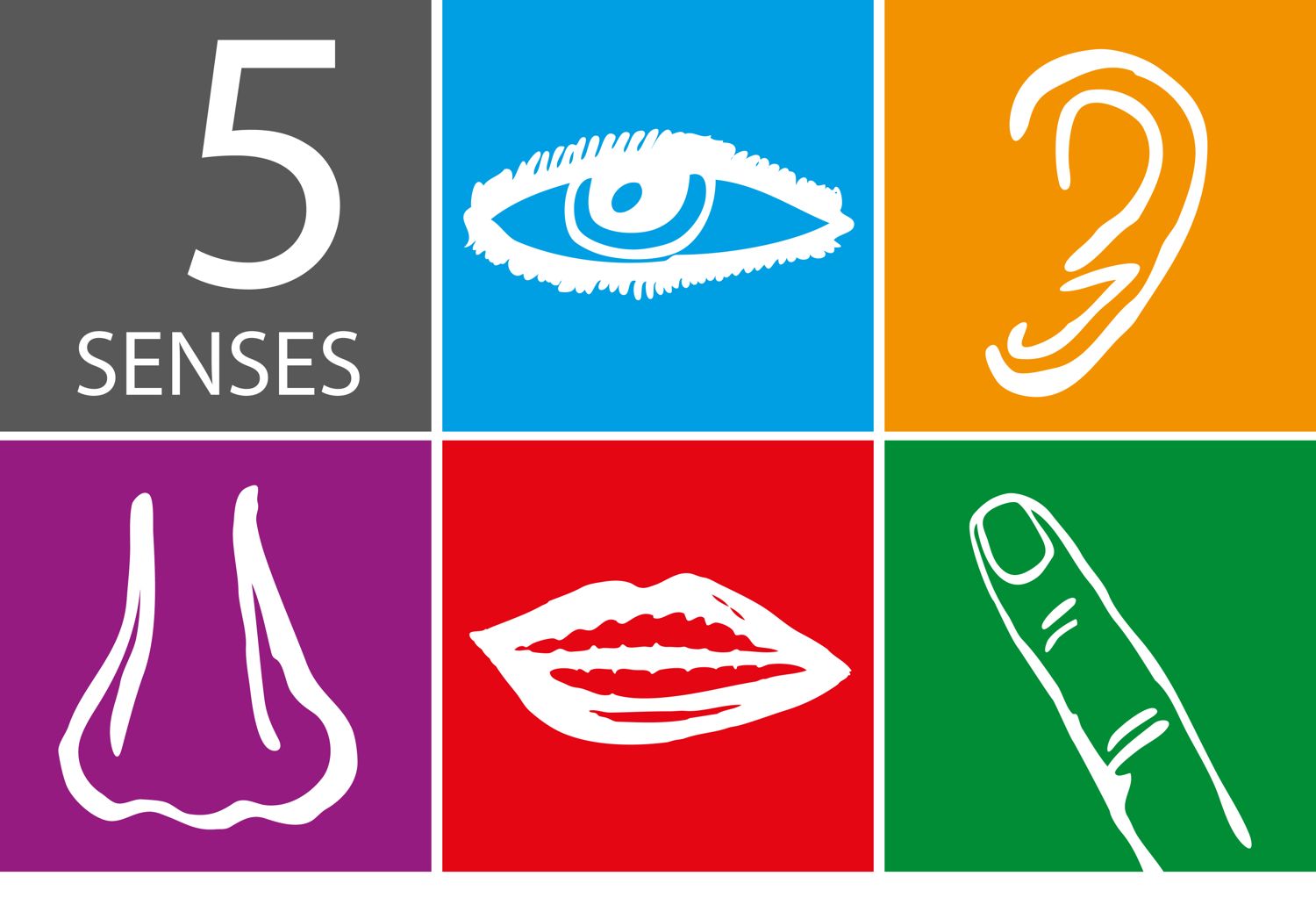
Which of the following senses are most closely related:
touch and smell
smell and taste
taste and hearing
hearing and smell
What happens to the taste of food if you are unable to smell it?
the taste is stronger
the taste is duller
the taste lasts longer
the taste stays the same
Which word means pertaining to the sense of smell?
Olfactory
Gustatory
Auditory
Newfactory

