
 Worksheets
GCSE Ecology revision
Total questions: 45
Worksheet time: 15mins
Name
Class
Date
1.
Define biodiversity
a)
The process by which carbon & oxygen cycle among plants, people & animals, & the environment.
b)
The variety of plants & animals living in one area.
c)
The trees and other plants in a large densely wooded area; land that is covered with trees and shrubs.
2.
What does not produce carbon dioxide?
a)
Photosynthesis
b)
Burning Fossil Fuels
c)
Animal respiration
d)
Plants decaying
3.
How do living organisms return carbon to the atmosphere in the carbon cycle?
a)
respiration and photosynthesis
b)
decomposition and respiration
4.

In the carbon cycle, producers take in the gas __
a)
carbon dioxide
b)
oxygen
c)
nitrogen
d)
carbon monoxide
5.
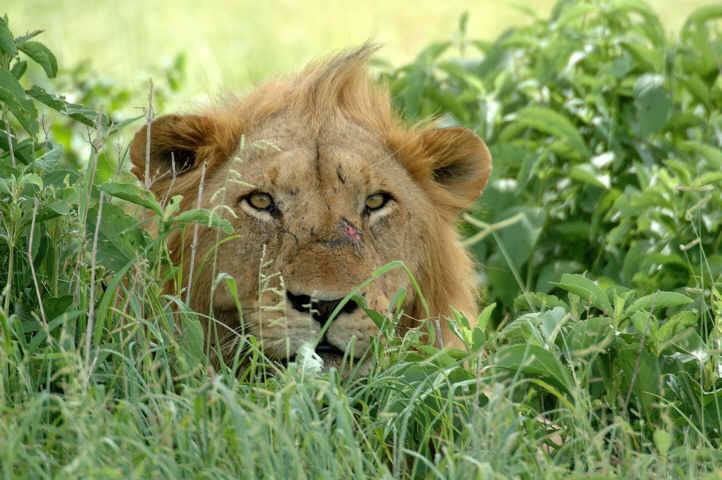
How does the carbon in grass become part of a lion?
a)
The lion eats the grass
b)
Carbon from grass doesn't end up in a lion.
c)
The carbon ends up in the lion's food chain.
d)
The lion breathes in carbon given out by the plant
6.
All of the carbon in existence is continually recycled in the carbon cycle
a)
True
b)
False
7.
Organisms that do not decompose can be buried and become what?
a)
water
b)
nutrients
c)
air
d)
fossil fuels
8.

The study of how living things interact with one another and with their environment.
a)
Biology
b)
Lithology
c)
Ecology
d)
Farmacology
9.

The non-living part of an ecosystem
a)
Ocean
b)
Lava Flow
c)
Birds
d)
Abiotic
10.
The living part of an ecosystem
a)
Biotic
b)
Abiotic
c)
Mother Earth
d)
Flowers
11.

An area where an organism finds food, shelter and water in a specific arrangement
a)
niche
b)
biosphere
c)
biome
d)
habitat
12.

All of the living and nonliving things in an area that interact with each other are called a/an ______.
a)
community
b)
habitat
c)
population
d)
ecosystem
13.

An individual belonging to a specific species
a)
Biotic
b)
Community
c)
Organism
d)
Reptile
14.

The area between the highest mountain and the deepest ocean where life can be found
a)
Biosphere
b)
Biome
c)
Farm
d)
Ecosystem
15.
Which one is NOT an example of a decomposer?
a)
mushroom
b)
leaves
c)
mold
d)
worm
16.
Examples of a producer
a)
frog
b)
algae
c)
worm
d)
mouse
17.
Example of a decomposer
a)
fungus
b)
mouse
c)
plants
d)
frogs
18.
A tree is a ....
a)
composer
b)
decomposer
c)
producer
19.

What is a producer?
a)
an organism that gets energy from eating other organisms
b)
an organisms that uses sunlight to make its own food
c)
an organism that gets energy from eating dead organisms, non-living material or waste
d)
an organism that uses chemical energy to make its own food
20.

What is a herbivore?
a)
an animal that gets energy from eating other animals
b)
an organism that gets energy from eating only plants
c)
an animal that gets energy by eating both plants and other animals
d)
an animal that eats only herbs
21.

What is a carnivore?
a)
an animal that gets energy by eating other animals
b)
An animal that gets energy by eating only plants
c)
an animal that gets energy by eating both plants and animals
d)
an animal that makes its own energy through photosynthesis
22.

An animal that gets energy from eating both plants and animals is a
a)
herbivore
b)
carnivore
c)
omnivore
d)
autotroph
23.

The shrew provides energy for the _______?
a)
cricket
b)
grasshopper
c)
frog
d)
snake
24.

Which of the following is a herbivore?
a)
cricket
b)
frog
c)
hawk
d)
shrew
25.

Where do all life forms get their energy?
a)
Earth's Core
b)
Water
c)
Plants
d)
The Sun
26.

What is this called?
a)
Food Web
b)
Food Chain
c)
Abiotic Factors
27.

What is this called?
a)
Food Web
b)
Food Chain
c)
Abiotic Factors
28.
A producer is a (n) ______________.
a)
heterotroph
b)
omnitroph
c)
autotroph
d)
oscartroph
29.
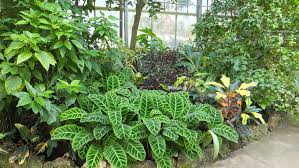
All food chains begin with a ____________.
a)
primary consumer
b)
secondary consumer
c)
producers
d)
scavengers
30.

An animal that eats other animals is a....
a)
carnivore
b)
omnivore
c)
herbivore
d)
decomposer
31.

Which best describes what a food chain shows you?
a)
Energy flow through an ecosystem
b)
Food flowing through an ecosystem
c)
Consumers going into other consumers
d)
Who eats who
32.
Another name for a consumer is a
a)
heterotroph
b)
autotroph
c)
producer
d)
plant
33.
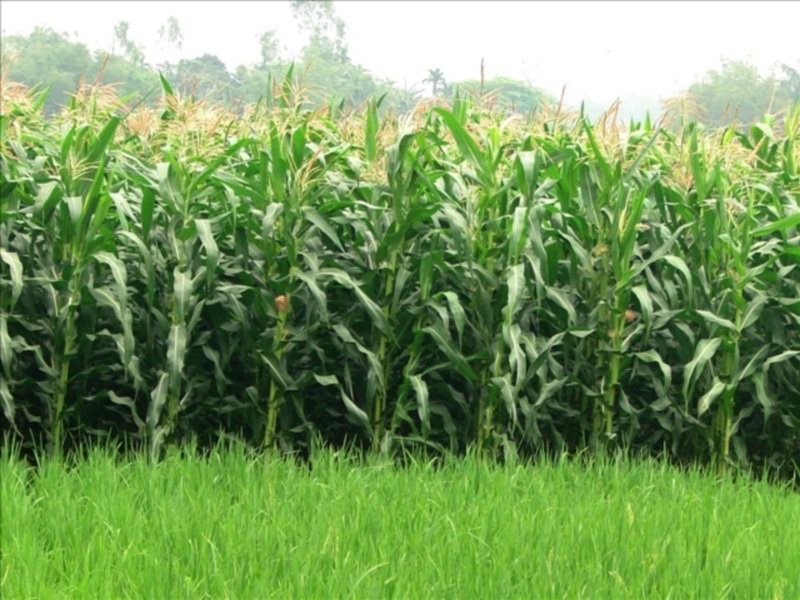
The image provided is an example of a:
a)
Producer
b)
Heterotroph
c)
Consumer
d)
Decomposer
34.
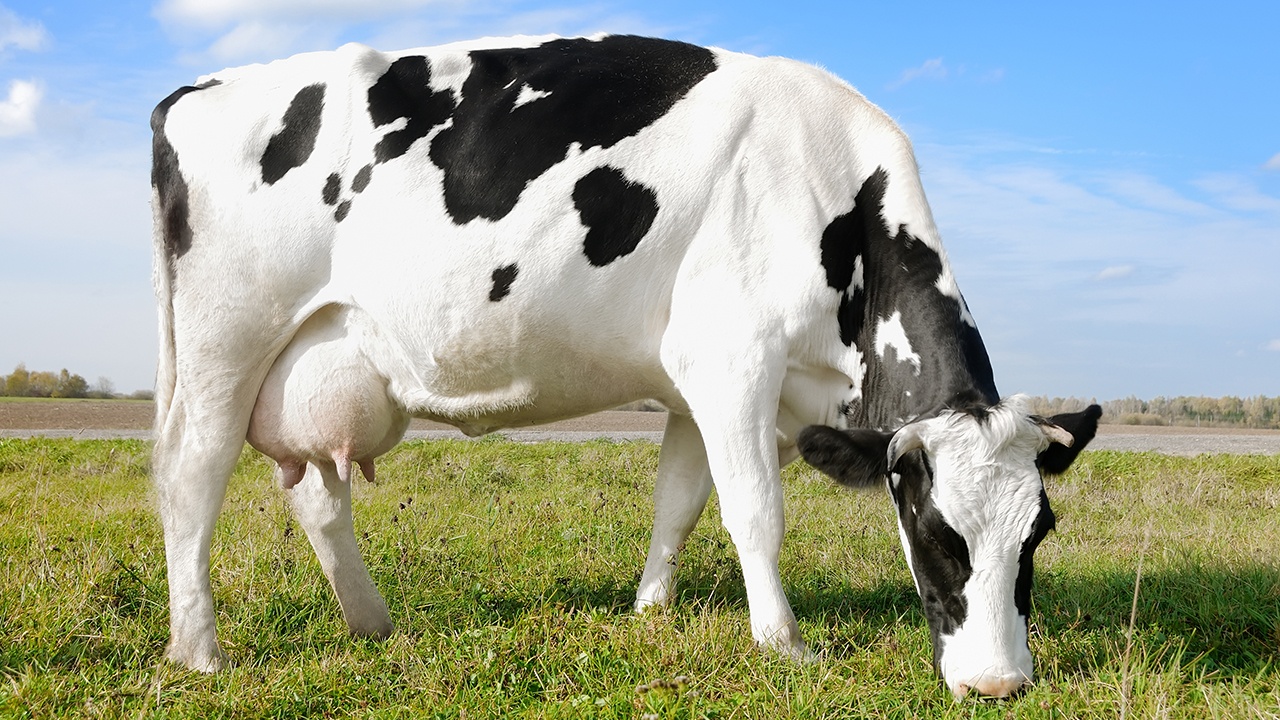
The image provided is an example of a(n):
a)
Autotroph
b)
Carnivore
c)
Herbivore
d)
Decomposer
35.
Members of a species in a defined area
a)
Ecosystem
b)
community
c)
biodiversity
d)
population
36.
Series of steps in which organisms transfer energy by eating and being eaten
a)
foodweb
b)
consumer
c)
food chain
d)
omnivore
37.

In the energy pyramid here, how much of the energy in the producers gets passed to the herbivores?
a)
10%
b)
20%
c)
80%
d)
90%
38.

In the food web shown, the snail would be considered...
a)
primary consumer
b)
secondary consumer
c)
tertiary consumer
d)
producer
39.

The diagram below shows the cycling of nutrients in an ecosystem.
The removal of which of the following groups would cause an immediate decrease in the amount of energy flowing through the system?
The removal of which of the following groups would cause an immediate decrease in the amount of energy flowing through the system?
a)
Producers
b)
Consumers
c)
Decomposers
d)
Inorganic nutrients
40.
Green plants are
a)
producers
b)
consumers
c)
herbivores
d)
omnivores
41.
What is the original source of almost all energy in most ecosystems?
a)
carbohydrates
b)
sunlight
c)
water
d)
carbon
42.

What does a food web represent?
a)
All connections of energy flow throughout all organisms in a habitat.
b)
The specific ways that mutualism is carried out.
c)
A single pathway or energy flow between organisms.
d)
How carnivores get their food.
43.

A food chain is illustrated below:
The arrows represented most likely indicate
The arrows represented most likely indicate
a)
A. Energy released from metabolism into the environment as heat.
b)
B. Oxygen released from metabolism produced by cellular respiration.
c)
C. The absorption of energy from the environment that has been created.
d)
D. The transport of glucose away from the organism through photosynthesis.
44.
What is an advantage of a short food chain?
a)
a few producers can support a large number of consumers
b)
it is easier for consumers to find food
c)
less energy is lost in the food chain
d)
less food is required by consumers
45.
Which shows where most plants and animals obtain carbon?
a)
Most plants obtain carbon from the air and most animals from plants.
b)
Most plants obtain carbon from the soil and most animals from the air.
c)
Most plants obtain carbon from the air and most animals from the soil.
d)
Most plants obtain carbon from the soil and most animals from plants.
100 %

