wayground logo

Free Printable Worksheets

NEW

Font size

S
M
L
XL
Worksheets

Physical Chemical Properties and Changes and Bonding

Total questions: 59

Worksheet time: 1hrs 8mins

Name
Class
Date
1.
A characteristic that can be observed or measured without changing the identity of a substance
a)
Physical property
b)
Physical change
c)
Physical reaction
d)
Trait
2.
A characteristic that determines how a substance will interact with other substances during a chemical reaction.
a)
Chemical change
b)
Chemical property
c)
Chemical reaction
d)
Vector
3.
A change which alters the physical properties of a substance without changing the identity of the substance.
a)
Physical property
b)
Physical reaction
c)
Physical change
d)
Hypotanuse
4.
When one substance changes into a new substance with different properties.
a)
Chemical property
b)
Chemical reaction
c)
Translation
d)
Chemical change
5.
Colored paper
a)
Physical property
b)
Chemical property
6.
Flammable
a)
Physical property
b)
Chemical property
7.
Magnetic
a)
Physical property
b)
Chemical property
8.
Melted ice
a)
Physical change
b)
Chemical change
9.
Hydrogen atoms bonding with an oxygen atom
a)
Physical change
b)
Chemical change
10.
Shredding paper
a)
Physical changes
b)
Chemical changes
11.
What happens in ALL chemical changes?
a)
Change in state of matter
b)
A new substance is formed
c)
Bubbles are produced
d)
An explosion
12.
Is Gatorade powder dissolving in water physical or chemical change?
a)
Physical 
b)
Chemical
13.
Is making orange juice a physical or chemical change?
a)
Physical 
b)
Chemical
14.
Is sharpening a pencil a physical or chemical change?
a)
Physical 
b)
Chemical
15.
Is copper tarnishing a physical or chemical change?
a)
Physical 
b)
Chemical
16.
Which process is a physical change?
a)
Melting ice
b)
Tarnishing silver
c)
Burning coal
d)
Rusting iron
17.
Which of these is NOT a physical change?
a)
iron rusting
b)
boiling water
c)
dissolving salt in water
d)
sawing wood
18.
A student steps on and crushes an aluminum soda can with his foot. What has happened to the chemical composition of the can?
a)
It has not changed
b)
It has changed
c)
It is more reactive
d)
It has become unbalanced
19.
Which of the following is an example of a chemical change?
a)
paper burning
b)
water evaporating
c)
ice melting
d)
liquid boiling
20.
What is an example of a chemical property?
a)
the ability to rust
b)
hardness
c)
mass
d)
texture
21.
Blue Color
a)
Physical Property
b)
Chemical Property
22.
Density
a)
Physical Property
b)
Chemical Property
23.
Reacts with acid
a)
Physical Property
b)
Chemical Property
24.
Supports combustion
a)
Physical Property
b)
Chemical Property
25.
Sour taste
a)
Physical Property
b)
Chemical Property
26.
Melting point
a)
Physical Property
b)
Chemical Property
27.
Reacts with water
a)
Physical Property
b)
Chemical Property
28.
Your friend decides to toast a piece of bread, but leaves it in the toaster too long. The bread is black and the kitchen if full of smoke. 
a)
Physical Change
b)
Chemical Change
29.
A student removes a loaf of bread hot from the oven. The student cuts a slice off the loaf and spreads butter on it. 
a)
Physical Change
b)
Chemical Change
30.
You forgot to dry the bread knife when you washed it and reddish brown spots appeared on it. 
a)
Physical Change
b)
Chemical Change
31.
You blow dry your wet hair. 
a)
Physical Change
b)
Chemical Change
32.
In baking biscuits and other quick breads, the baking powder reacts to release carbon dioxide bubbles. The carbon dioxide bubbles cause the dough to rise. 
a)
Physical Change
b)
Chemical Change
33.
You take out your best silver spoons and notice that they are very dull and have some black spots. 
a)
Physical Change
b)
Chemical Change
34.
A straight piece of wire is coiled to form a spring. 
a)
Physical Change
b)
Chemical Change
35.
Food color is dropped into water to give it color. 
a)
Physical Change
b)
Chemical Change
36.
In a fireworks show, the fireworks explode giving off heat and light. 
a)
Physical Change
b)
Chemical Change
37.
Chewing food to break it down into smaller particles represents a _________ change, but the changing of starch into sugars by enzymes in the digestive system represents a ___________change. 
a)
Chemical then Physical 
b)
Physical then Chemical
c)
Both Physical
d)
Both Chemical
38.

5. Which biomolecules provide quick energy for the cell and also provide materials to build the cell membrane/wall?

a)

Carbohydrates

b)

Proteins

c)

Lipids

d)

Nucleic Acids

39.

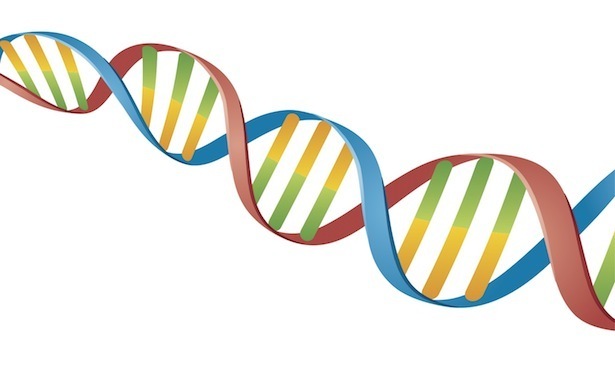
2. Which biomolecules contains your genetic information?

a)

Proteins

b)

Lipids

c)

Carbohydrates

d)

Nucleic Acids

40.

9. Amino Acids are the monomers of __________.

a)

Nucleic Acids

b)

Proteins

c)

Carbohydrates

d)

Lipids

41.

6. The monomer of carbohydrates is known as _______.

a)

Amino Acid

b)

Fatty Acid

c)

Nucleotide

d)

Saccharide

42.

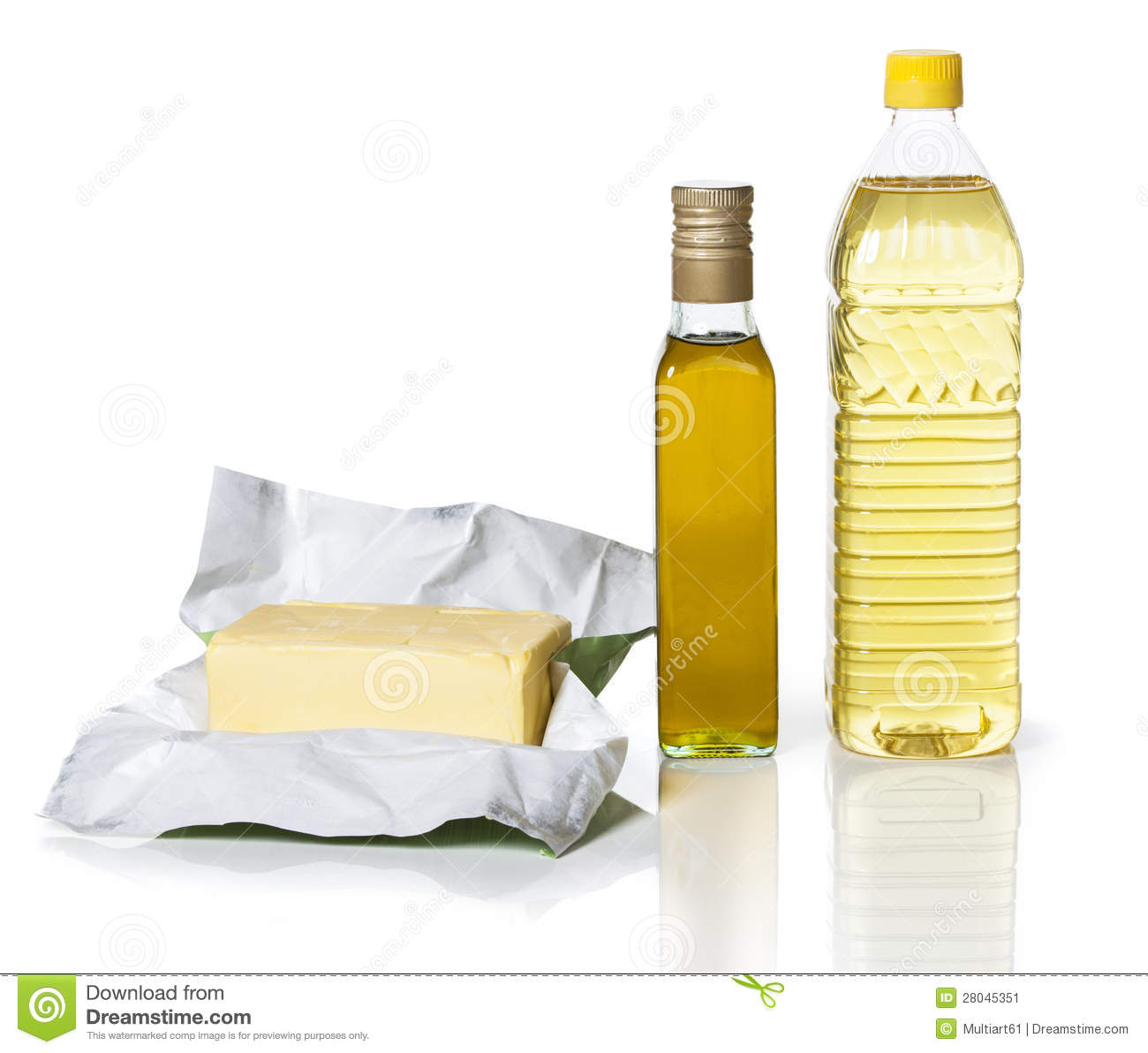
Just under an orca's skin lies a thick layer of blubber. Blubber helps insulate a whale from heat loss. Based on this information, which biomolecule is blubber primarily made of?

a)

Lipids

b)

Nucleic Acids

c)

Proteins

d)

Carbohydrates

43.

7. Glycerol and fatty acids are the monomers of _________.

a)

Lipids

b)

Carbohydrates

c)

Proteins

d)

Nucleic Acids

44.

3. Which biomolecules act as energy storage for the cell and also cushions and insulates organs?

a)

Carbohyrdates

b)

Lipids

c)

Proteins

d)

Nucleic Acids

45.

8. The monomer of Nucleic Acids is known as _________.

a)

Amino Acid

b)

Fatty Acid

c)

Nucleotide

d)

Saccharide

46.

1. The four most common elements found in biomolecules are __________.

a)

Sulfur, Phosphorus, Carbon, Oxygen

b)

Carbon, Oxygen, Nitrogen, Hydrogen

c)

Sulfur, Nitrogen, Carbon, Iron

d)

Carbon, Nitrogen, Hydrogen, Sulfur

47.
All polymers are made up of...
a)
monosaccharides
b)
monomers
c)
proteins
d)
None of these
48.
Which biomolecule is a main source of quick energy?
a)
Nucleic Acid
b)
Protein
c)
Lipid
d)
Carbohydrate
49.
What is the monomer for a protein?
a)
Monosaccharide
b)
Triglyceride
c)
Amino Acid
d)
Nucleotide
50.
Which biomolecule has sugars and starches?
a)
Lipids
b)
Proteins
c)
Carbohydrates
d)
Nucleic Acid
51.
Which biomolecule is found in fats, oils, and waxes and is a source of long-term energy
a)
Proteins
b)
Nucleic Acid
c)
Lipids
d)
Carbohydrate
52.
What is the function of a nucleic acid?
a)
Stores genetic information
b)
Stores energy
c)
Quick source of energy
d)
Builds structures
53.

Which biomolecule helps form muscles?

a)

Nucleic Acid

b)

Carbohydrate

c)

Protein

d)

Lipids

54.
What elements are common to all 4 biomolecules?
a)
Carbon, hydrogen, nitrogen
b)
Carbon, Nitrogen, Phosphorus
c)
Carbon, Hydrogen, Oxygen
d)
Carbon, Hydrogen, Phosphorus
55.
What are the four biological molecules?
a)
proteins, carbohydrates, lipids, nucleic acids
b)
A, T, C, G
c)
water, air, earth, and fire
d)
Joe, Nick, and Kevin Jonas
56.

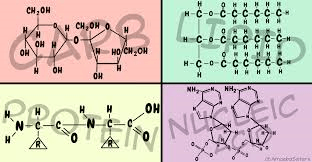
Identify the biomolecule

a)

Carbohydrate

b)

Lipid

c)

Protein

d)

Nucleic Acid

57.

What do we call a lipid that has no double bonds and contains the maximum number of hydrogen atoms?

a)

Saturated Fat

b)

Triglyceride

c)

Monounsaturated Fat

d)

Polyunsaturated Fat

58.

What do we call a lipid that has one double bond?

a)

Saturated Fat

b)

Triglyceride

c)

Monounsaturated Fat

d)

Polyunsaturated Fat

59.

What do we call a lipid that has two or more double bonds?

a)

Saturated Fat

b)

Triglyceride

c)

Monounsaturated Fat

d)

Polyunsaturated Fat