
 Worksheets
FREE FALL
Total questions: 20
Worksheet time: 18mins
Click on the check box if you think the statements is correct.
Question : In a condition that a big rock and a pebble are being thrown from a very high mountain from the same height and at the same time. Suppose also that air resistance is neglected. Which statements below is true in describing both objects?
The big rock and the pebble each have the same force of gravity.
The big rock has more mass, thus both objects will have different force of gravity.
The big rock experiences a greater force of gravity, yet both the rock and feather have the same mass.
On earth, all objects (whether the rock or the pebble) will have different force of gravity.
The big rock weighs more than the feather, yet they each have the same mass.
Consider a heavy and a light person jumping together with same-size parachutes from the same altitude. Who will reach the ground first? (in NON-freefall)
Light person
Heavy person
Both will reach at the same time.
Consider a heavy and a light person jumping together from the same altitude IN FREE FALL. Who will reach the ground first?
Light person
Heavy person
Both will reach the ground at the same time.
As a rock in FREE FALL falls through the air, Velocity
stays constant
decreases until it hits terminal velocity
increases until it hits terminal velocity
increases ~10 m/s each second
As a rock in FREE FALL falls through the air, acceleration
stays constant
decreases until it hits terminal velocity
increases until it hits terminal velocity
increases ~10 m/s each second
Air friction (Air Drag) against a skydiver
acts upward
increases with increased surface area
increases with increased speed
all of these
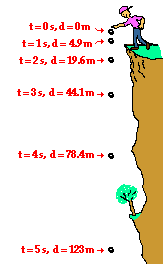
An object in free fall
ignores air resistance.
undergoes a downward acceleration.
has an acceleration of -9.8 m/s2.
all of these.
Ball A is dropped from rest from a window. At the same instant, ball B is thrown downward; and ball C is thrown upward from the same window. Which statement concerning the balls after their release is necessarily true if air resistance is neglected?
At some instant after it is thrown, the acceleration of ball C is zero.
All three balls have the same initial velocity.
All three balls have the same velocity at any instant.
All three balls have the same acceleration at any instant.
A rock is thrown vertically upward from the surface of the earth. The rock rises to some maximum height and falls back toward the surface of the earth. Which one of the following statements concerning this situation is true if air resistance is neglected?
As the rock rises, its acceleration vector points upward.
The rock is a freely falling body for the duration of its flight.
The acceleration of the rock is zero when the rock is at its highest point.
The velocity of the rock is positive while the rock falls down.
When there is no air resistance, objects of different masses dropped from rest
fall with equal accelerations and with equal times.
fall with different accelerations and with different times.
fall with equal accelerations and with different times.
fall with different accelerations and with equal times.

A baseball is thrown up into the air. What happens to the velocity as the ball rises in the air?
the velocity increases
the velocity decreases
the velocity remains constant

A ball is thrown upward with an initial speed of 30m/s. At what location will the ball be moving downward with a speed of 20m/s
A
B
E
F
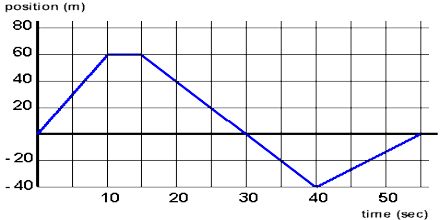
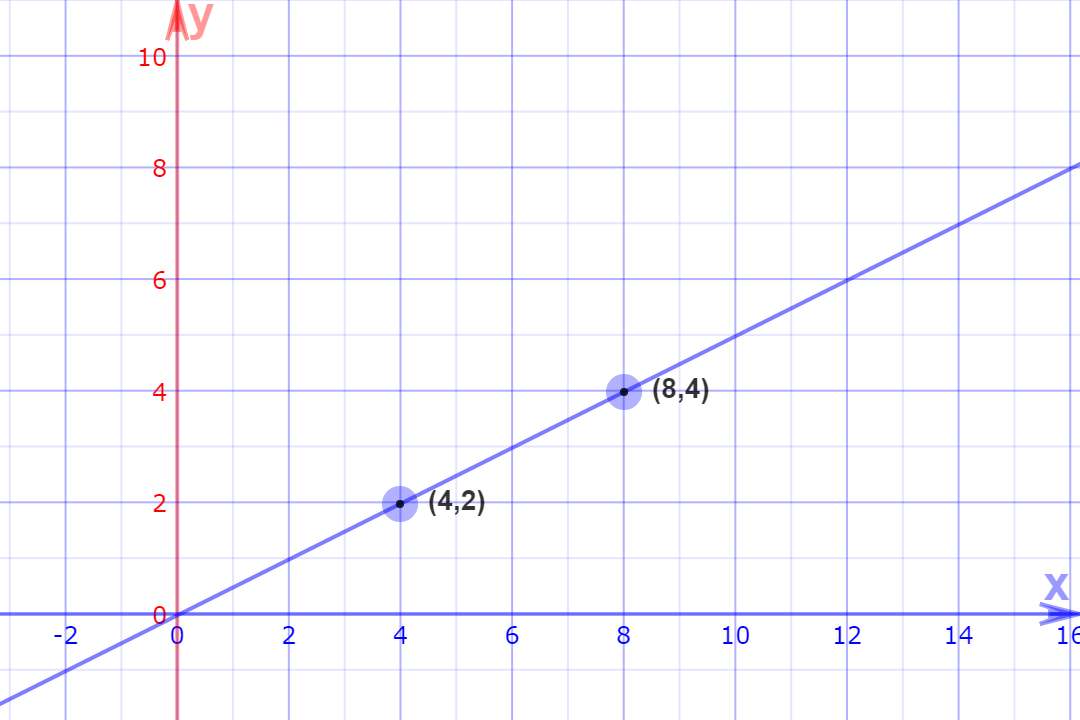
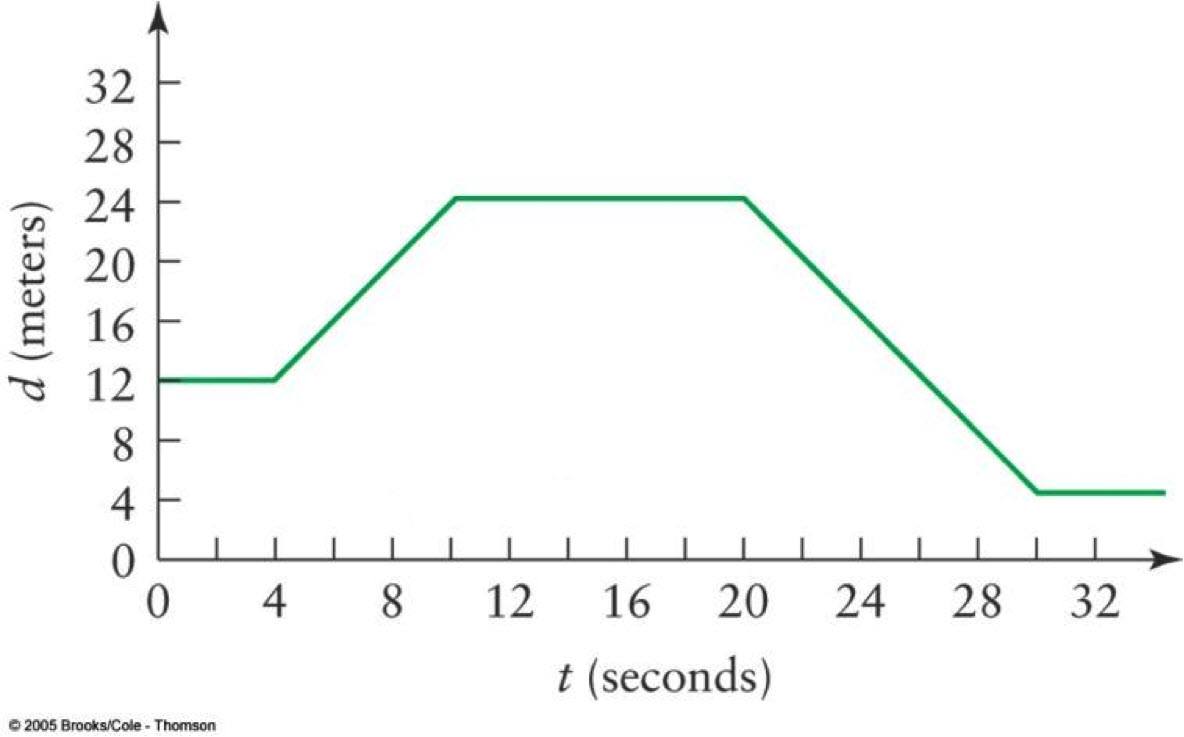
Which of the following graphs best represents free fall motion?
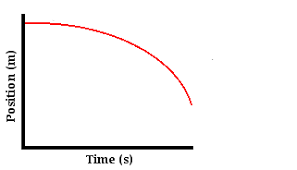
If an object is free falling onto the Moon, which of the following would be correct?
It would accelerate at 9.8 m/s2
It would not encounter any air resistance.
It would not fall because the Moon has no gravity.
It would impact the surface and bounce back into space.
Heavier objects free fall faster than lighter objects.
True
False

