wayground logo

Free Printable Worksheets

NEW

Font size

S
M
L
XL
Worksheets

EA6: Homework week 4.26

Total questions: 50

Worksheet time: 33mins

Name
Class
Date
1.
A species that is not native to an area is called: 
a)
Native Species
b)
Natural Species
c)
Invasive Species
d)
Symbiotic Species
2.
This species came from China/Japan in 1998.  It damages crops and is annoying as it enters your home in cracks or small openings. 
a)
Asian Carp
b)
Zebra Mussels
c)
Stink Bug
d)
Gypsy Moth
3.
This invasive plant came from Asia and was believed to be a pretty decoration.  Unfortunately, it covers native plants and blocks sunlight from reaching them.
a)
Kudzu Vine
b)
Feral Swine
c)
Sea Lamprepy
d)
Zebra Mussels
4.
This invasive species came over in boats from Europe in the 1980's.  They harm native fish, clog pipes and ruin beaches.  
a)
Sea Lamprey
b)
Zebra Mussel
c)
Asian Carp
d)
Feral Swine
5.
Why do the populations of invasive species grow so quickly? 
a)
Invasive Species are native to an area. 
b)
Invasive species are prey to many animals.
c)
Invasive species have no predators.
d)
Invasive species keep the ecosystems in equilibrium.
6.
The place where an organism lives in order to obtain its food, water, shelter and other things needed for survival is called what?
a)
Niche
b)
Habitat
c)
Home
d)
Ecosystem
7.
The particular role (job) of an organism in its environment including types of food it eats, how it obtains its food and how it interacts with other organisms is called a what?
a)
Niche
b)
Habitat
c)
Home
d)
Ecosystem
8.
Living parts of an ecosystem
a)
Biotic Factors
b)
Abiotic Factors
c)
BioLife
d)
Absence of life
9.
Nonliving parts of an ecosystem
a)
Biotic Factors
b)
Abiotic Factors
c)
BioLife
d)
Absence of life
10.
An environment that includes biotic and abiotic factors as well as one of more communities
a)
Community
b)
Population
c)
Eck-osystem
d)
Ecosystem
11.
An individual from a species is considered an
a)
organism
b)
ecosystem
c)
biome
d)
cell
12.
A non native species to an area. Added accidentally or deliberately by humans.
a)
Native Species
b)
Accidental Species
c)
Introduced Species
13.
A species indigenous to a given region or ecosystem naturally.
a)
Native Species
b)
Accidental Species
c)
Introduced Species
14.
What is the correct order for the Levels of Organization listed SMALLEST to LARGEST
a)
Organism, Biome, Population, Community, Ecosystem
b)
Biome, Ecosystem, Community, Population, Organism
c)
Population, Ecosystem, Biome, Organism, Community
d)
Organism, Population, Community, Ecosystem, Biome
15.

What is an invasive species?

a)

An organism that is new to an environment that has positive effects on the environment.

b)

An organism that is native to an environment that has negative effects on the environment.

c)

An organism that is new to an environment that has negative effects on the environment.

d)

An organism that is native to an environment that has positive effects on the environment.

16.

Invasive species can have a major impact on the ecosystem.

a)

TRUE

b)

FALSE

17.

Invasive species can crowd out native species.

a)

TRUE

b)

FALSE

18.
What does the work Invade mean?
a)
To walk into a room and ask directions
b)
To move into and sit down quietly
c)
To move into and harm
d)
To stay put
19.

Invasive species don't harm native species that are beneficial to the environment.

a)

TRUE

b)

FALSE

20.
Biodiversity refers to
a)
extinct species
b)
the variety of species on Earth
c)
nonrenewable resources
d)
the rate of species decline
21.

Are all non-native plants classified as invasive?

a)

yes

b)

no

22.

The primary cause of invasive species introduction is

a)

too much food

b)

human actions

c)

weather events

d)

asteroids

23.
When taken to a new habitat, non-native plants often threaten native plants of the new habitat.  Why do they do this?
a)
Non-native plants are able to mutate rapidly
b)
Non-native  plants cause native animals to relocate
c)
Non-native plants are able to be used for medicine
d)
Non-native plants compete with native plants for resources
24.
What effect will an invasive species have on the carrying capacity of an ecosystem?
a)
The carrying capacity will increase
b)
The carrying capacity for everyone will decrease
c)
The carrying capacity will only decrease for those in competition for same resource
d)
The carrying capacity for all animals will stay the same
25.
How did the zebra mussels end up in the Great Lakes?
a)
In ballast tanks of ships
b)
They were intentionally released
c)
They have always been in the Great Lakes
d)
That's not a zebra mussel
26.
These were released in Australia to eat cane beetles, but now they are an invasive species and number in the millions.
a)
dingo
b)
Kangaroo
c)
Cane toad
d)
Rabbits
27.
What kind of organisms can become invasive? 
a)
Lions, Tigers, Bears
b)
Plants, Animals, or Pathogens 
c)
Animals
d)
Plants
28.
Which of the following is a key characteristic of most invasive species?
a)
Ability to breathe in the air & in the water
b)
Large, sharp teeth
c)
Produce many offspring
d)
Is a top predator
29.

When functioning properly, ecosystems house organisms that keep each other’s populations _________________.

a)

balanced

b)

in peril

c)

extinct

d)

growing out of control

30.

What is an invasive species?

a)

A species that is in an ecosystem as a result of primary succession

b)

A species that is native to the land

c)

A species that is not part of the original ecosystem but has made its way into it

d)

A species that wipes out all organisms in the area

31.

Can Invasive Species hurt us too?

a)

Yes

b)

No

c)

Maybe

d)

I don't care

32.
What's one EFFECT of pythons invading the Everglades?
a)
the number of small mammals, like mice, are decreasing
b)
the number of white-tailed deer is increasing
c)
pythons can grow to be 18 feet long
33.

What's one problem with the pythons preying on all the small animals in the Everglades?

a)

other animals can't find any food

b)

the grass can't grow as fast

c)

the deer have nothing to eat

d)

plants can't photosynthesize

34.

Invasive species can crowd out native species.

a)

TRUE

b)

FALSE

35.

First species to arrive in an area

a)

invasive species

b)

abiotic components

c)

pioneer species

d)

parasites

36.
A large ecosystem is called a ______
a)
Ecosystem
b)
Habitat
c)
Biome
d)
Niche
37.
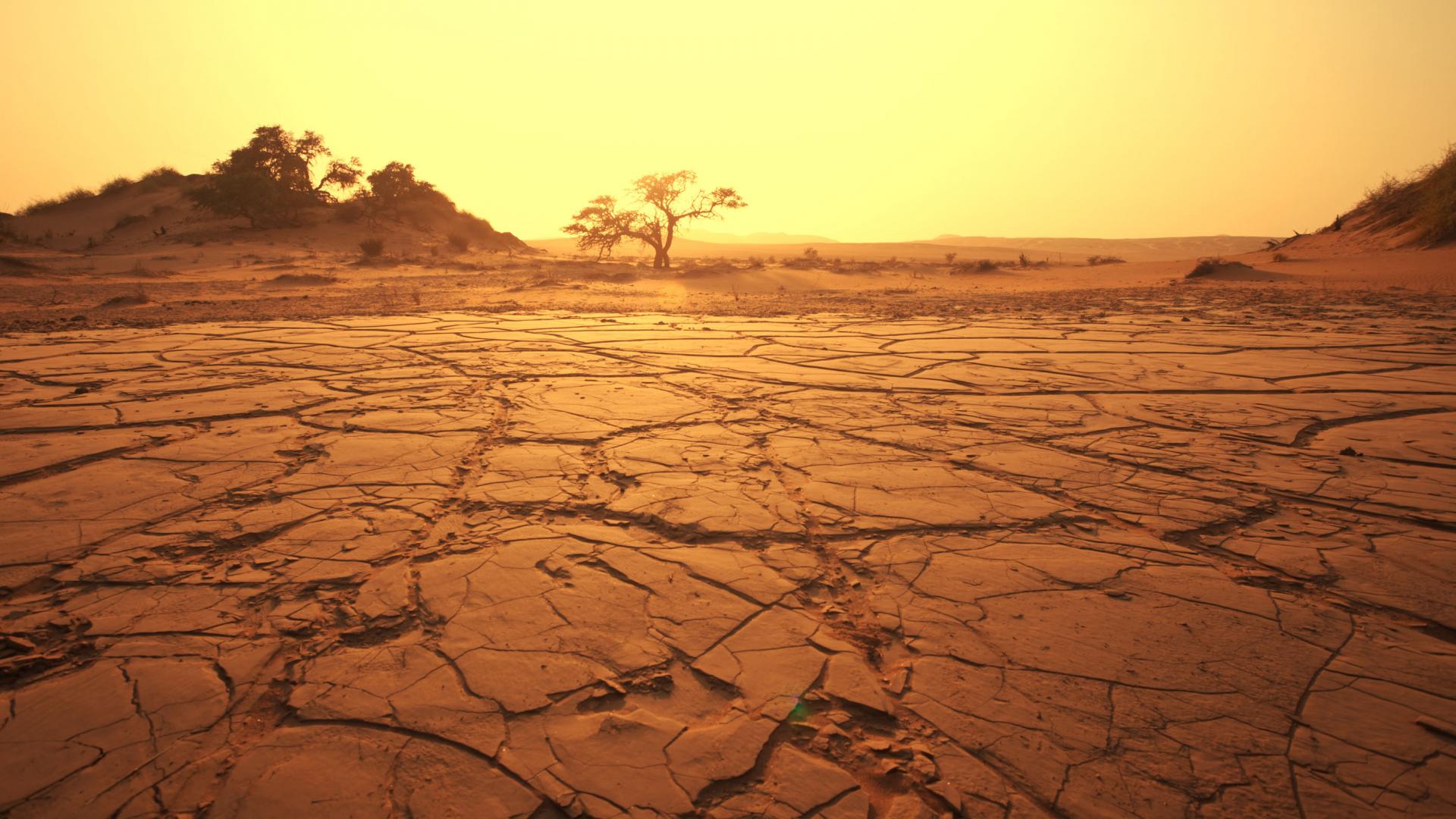
Which biome is the driest?
a)
Desert
b)
Tundra
c)
Taiga
d)
Rainforest
38.
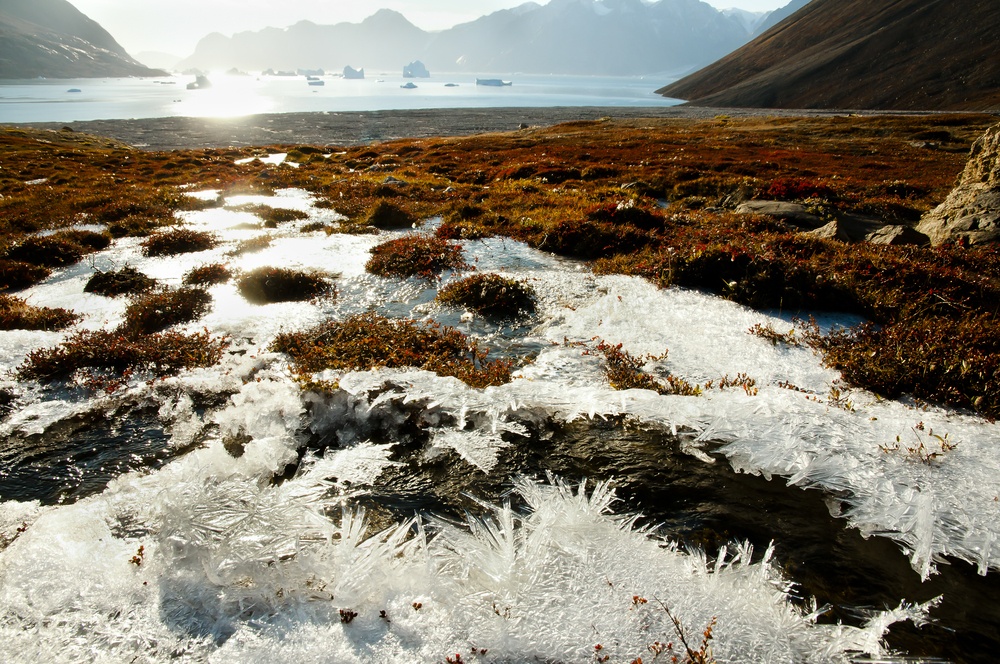
Which Biome has permafrost?
a)
Temperate Forest
b)
Rainforest
c)
Taiga
d)
Tundra
39.
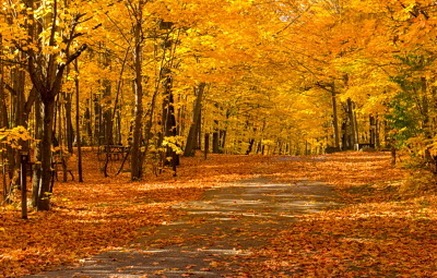
Which biome has deciduous trees (which lose their leaves)?
a)
Temperate Forest
b)
Rainforest
c)
Grasslands
d)
Taiga
40.
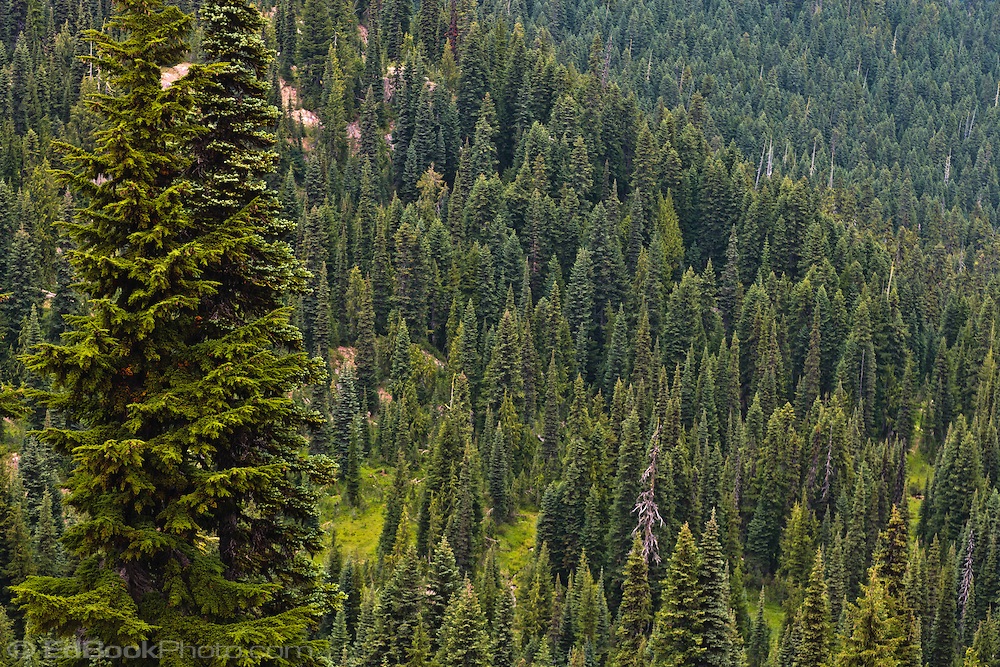
Which biome has coniferous trees (which don't lose their leaves)?
a)
Taiga
b)
Temperate Forest
c)
Tundra
d)
Grasslands
41.
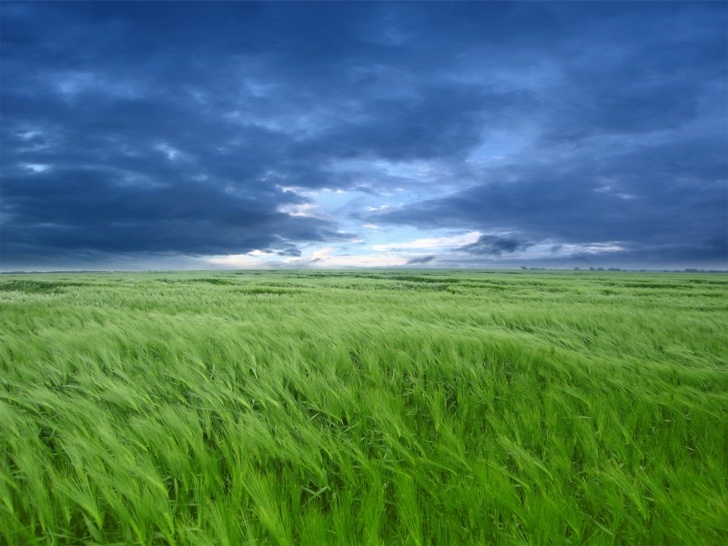
Which biome has wide-open fields of grass?
a)
Taiga
b)
Grasslands
c)
Temperate Forest
d)
Rainforest
42.
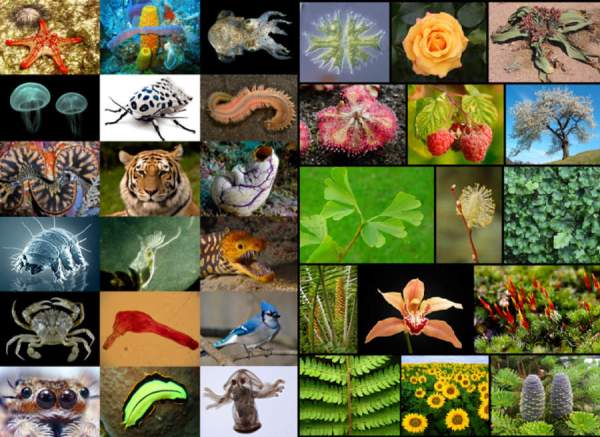
Which biome has the most variety of plants and animals?
a)
Temperate Forest
b)
Rainforest
c)
Tundra
d)
Grasslands
43.
Biotic factors in a biome
a)
sand
b)
water
c)
kinds of birds
d)
air
44.
Abiotic factor in a marine biome
a)
seaweed
b)
water depth
c)
coral
d)
dolphin
45.

Which biome is also known as the "Temperate Forest"?

a)

Deciduous Forest

b)

Tropical Rain Forest

c)

Tundra Forest

d)

Taiga Forest

46.

Which is the largest land biome in the world?

a)

Taiga

b)

Tundra

c)

Grassland

d)

Desert

47.

Which land biome do we live in?

a)

Grassland

b)

Tundra

c)

Deciduous Forest

d)

Taiga

48.

Which land biome is the coldest in temperature without any trees?

a)

Taiga

b)

Grassland

c)

Tundra

d)

Deciduous Forest

49.

Which biome is sandy and/or rocky with very little rain?

a)

Desert

b)

Tundra

c)

Grassland

d)

Tropical Rain Forest

50.

Prairies and savannas are two examples of this land biome?

a)

Tundra

b)

Grassland

c)

Desert

d)

Taiga