
 Worksheets
Transport in Plants and Humans
Total questions: 34
Worksheet time: 34mins
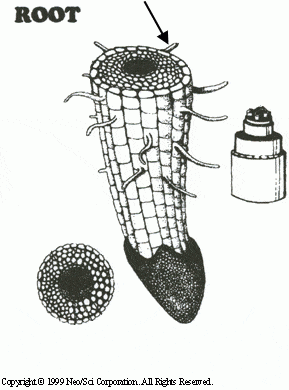
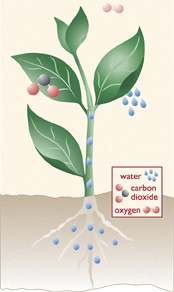
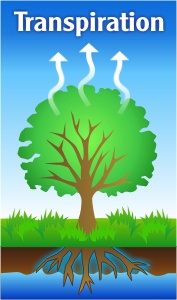
Where is xylem found in the plant?
leave -> roots -> stem
roots -> stem -> leaves
root hairs -> leaves -> veins
stem -> roots
Which of the following vessels has thin muscle wall and a large lumen?
Vein
Artery
Capillary
Aorta

What type of blood vessel is shown in figure number 2?
vein
artery
capilary
aorta
Arteries, except for the pulmonary artery, carry
*2015 Q30
deoxygenated blood away from the heart under high pressure
deoxygenated blood away from the heart under low pressure
oxygenated blood away from the heart under high pressure
oxygenated blood away from the heart under low pressure

The diagram shows the front view of a human heart.
Letters P, Q, R and S indicate the different chambers of the heart.
Which of the following shows the sequence in which a blood cell returning from other parts of the body passes through the four chambers of the heart?
R-S-P-Q
Q-S-R-P
P-R-Q-S
S-R-P-Q

The diagram shows three types of blood vessels, 1, 2 and 3.
Which option describes features of each vessel?
A
B
C
D

Figure below shows the components of blood. What is letter Z represent?
plasma
white blood cell
red blood cell
platelets
Which of these following is the function of white blood cell?
Transport oxygen
Producing antibody
Blood clotting
Transport hormone

Identify the blood vessel labelled B.
Aorta
Pulmonary artery
Pulmonary vein
Vena cava

Structure of the red blood cell is special, it lack of nucleus. this condition provide ... .
more space for hemoglobin
more space for cytoplasm
less space for hemoglobin
less space for cytoplasm
Which vessel mainly transport deoxygenated blood?
Artery
Aorta
Capillary
Vein
Which of the following carries blood away from heart?
Vein
Artery
Capillary
Valve
Which blood vessel carries blood from the lungs to the heart?
Aorta
Vena cava
Pulmonary vein
Pulmonary artery
Which of the following has walls that are one cell thick and is a site for diffusion?
Vein
Artery
Capillary
Aorta
Blood flows from the vena cava into which chamber of the heart?
Left atrium
Right atrium
Left ventricle
Right ventricle
Which kind of blood is carried by the pulmonary veins?
Oxygenated
Deoxygenated
Blood flows out of the left ventricle through which of the following blood vessels?
Aorta
Vena cava
Pulmonary artery
Pulmonary vein
Which chamber of the heart has the thicker muscular walls?
Left atrium
Left ventricle
Right atrium
Right ventricle
All arteries carry oxygenated blood.
True
False
___________ carry blood at high pressure and ___________ carry blood at low pressure.
Arteries; veins
Capillaries; veins
Veins; arteries
Veins; capillaries

Identify the blood vessel labelled A.
Aorta
Pulmonary artery
Pulmonary vein
Vena cava

Identify the part labelled C.
Left atrium
Left ventricle
Right atrium
Right ventricle

What is the function of the blood vessel labelled D?
To transport blood from the heart to the lungs
To transport blood from the heart to the rest of the body.
To transport blood from the rest of the body to the heart.
To transport blood from the lungs to the heart.

What is the function of the blood vessel labelled A?
To transport blood from the heart to the lungs.
To transport blood from the heart to the rest of the body.
To transport blood from the lungs to the heart.
To transport blood from the rest of the body to the heart.
Which side of the heart has oxygenated blood?
Top
Bottom
Left
Right
Which of the following is NOT true about plasma?
Consist mainly of water
Pale yellow liquid
Transport blood
Transport waste materials

