wayground logo

Free Printable Worksheets

NEW

Font size

S
M
L
XL
Worksheets

Landmark Cases

Total questions: 37

Worksheet time: 26mins

Name
Class
Date
1.
In the case of Miranda v Arizona this Amendment was reaffirmed for the right against self-incrimination
a)
III
b)
IV
c)
V
d)
V!
2.
This case established that the Government may not prohibit the expression of an idea simply because society finds the idea itself offensive or disagreeable
a)
Morse v. Frederick
b)
Gideon v, Wainright
c)
Bethel v. Fraser
d)
Texas v. Johnson
3.
This case decided that students can conduct a silent protest as long as it does not interfere with education environment at schools and “students do not shed their rights at the schoolhouse gate.” 
a)
Bethel v. Fraser
b)
Tinker v. Des Moines
c)
Hazelwood v. Kuhlmeier
d)
Texas v. Johnson
4.
A person has been arrested and questioned by the police before being informed of his or her rights. This is in violation of the Supreme Court ruling in 
a)
Gideon V. Wainwright
b)
In Re Gault
c)
Morse v. Frederick
d)
Miranda v. Arizona
5.
A person has the right to an attorney was established in this case if they cannot afford an attorney
a)
Miranda v. Arizona
b)
Gideon v. Wainwright
c)
Morse v. Frederick
d)
Tinker v. Des Moines
6.
This case decided the 2000 Presidential election 
a)
Morse v. Frederick
b)
U.S. v. Nixon
c)
Trump v. Clinton
d)
Bush v. Gore
7.
How many justices serve on Supreme Court?
a)
1
b)
3
c)
6
d)
9
8.
In the Supreme Court case ____ v. ____, the court ruled that people who can't afford an attorney would have one appointed to them.
a)
Furman v. Georgia
b)
Brown v. Board
c)
Gideon v. Wainwright
d)
McCulloch v. Maryland
9.
Today if we are arrested, we are read our rights because of the ____v. ____ case.
a)
Miranda v. Arizona
b)
Plessy v. Ferguson
c)
The U.S. v. Richard Nixon
d)
Worcester v. Georgia
10.
The Supreme Court case ______ v. ______ established "Judicial Review".  This means that the Supreme Court had the final say on interpreting the Constitution.
a)
Marbury v. Madison
b)
Dred Scott v. Sandford
c)
The New York Times v. the U.S.
d)
Plessy v. Ferguson
11.
In ____v. ___ the Supreme Court ruled that students don't lose their 1st Amendment rights at the "Schoolhouse gate"
a)
Worcester v. Georgia
b)
The United States v. Ellis
c)
Tinker v. Des Moines
d)
Marbury v. Madison
12.

Determined the FL Supreme Court could not order a recount of ballots.

a)

Marbury v. Madison

b)

Bush v. Gore

c)

U.S. v. Nixon

d)

Hazelwood v. Kuhlmeier

13.

Suspects cannot be questioned (interrogated) until they are informed of their rights (right to remain silent, right to an attorney, etc.)

a)

Brown v Board of Education

b)

Miranda v Arizona

c)

Tinker v Des Moines

d)

Bush v Gore

14.

Established the Supreme Courts power of “Judicial Review” to see if laws are Constitutional / Unconstitutional. (Judicial Branch interprets the laws)

a)

Marbury v Madison

b)

Hazelwood v Kuhlmeier

c)

In Re Gault

d)

District of Columbia v Heller

15.

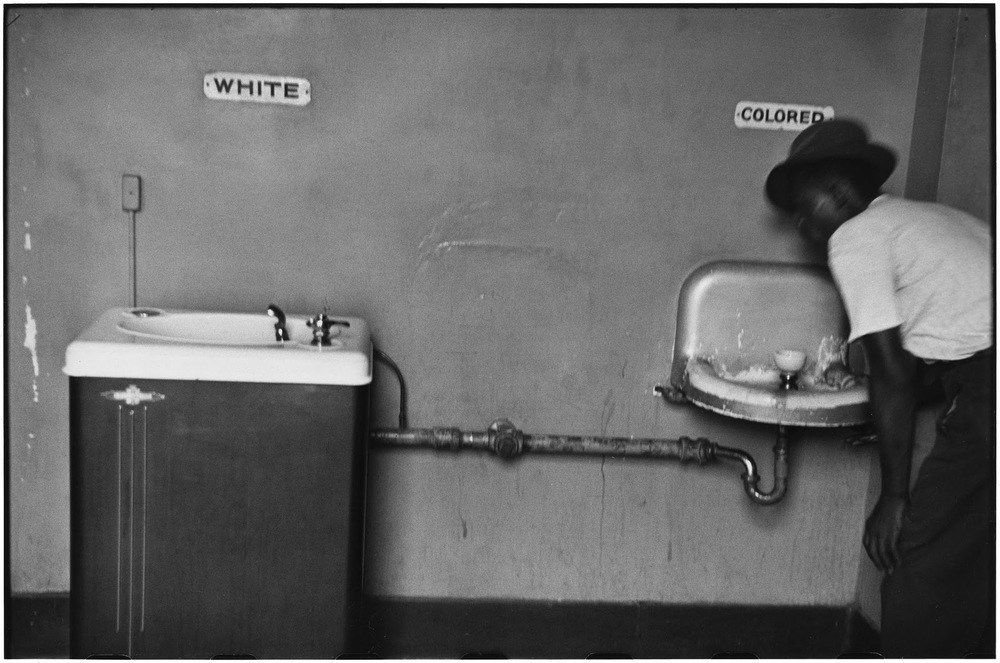
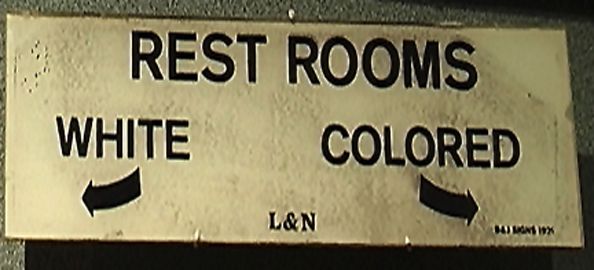
Established “Separate but Equal”, which provided separate public facilities for both whites and blacks as long as they were equal.

a)

District of Columbia v Heller

b)

In Re Gault

c)

Brown v Board of Education

d)

Plessy v Ferguson

16.

A person accused of a crime no matter how poor has the right to an attorney during trial. Enforces the 6th Amendment.

a)

Tinker v Des Moines

b)

Gideon v Wainwright

c)

Miranda v Arizona

d)

United States v Nixon

17.

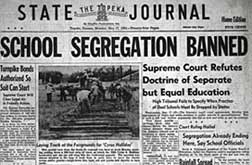
Ruled that “Separate but Equal” was Unconstitutional.

a)

Hazelwood v Kuhlmeier

b)

Marbury v Madison

c)

Plessy v Ferguson

d)

Brown v Board of Education

18.

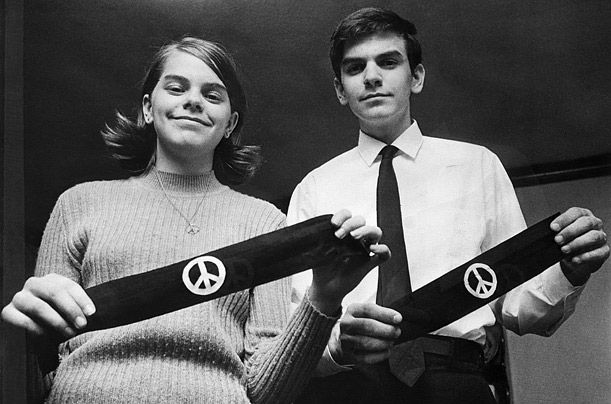
Students have the right to free speech at school as long it doesn’t disrupt school activities. (wearing black armbands in protest)

a)

In Re Gault

b)

District of Columbia v Heller

c)

Hazelwood v Kuhlmeier

d)

Tinker v Des Moines

19.

Legal or social separation of races.

a)

Segregation

b)

Lobbying

c)

Boycotting

20.

Which constitutional principle is applied when police inform suspects of their rights?

a)

due process of law

b)

eminent domain

c)

double jeopardy

d)

trial by jury

21.

What is called when someone is being forced to testify against oneself?

a)

self-incrimination

b)

reflection

c)

self-process

d)

judicial review

22.
Determined that keeping people separate based on the color of their skin was acceptable. (It was not discrimination.)
a)
Plessy v. Ferguson
b)
Tinker v. Des Moines
c)
Brown v. Board of Education
d)
In re Gault
23.
Determined "Separate but Equal" didn't violate the Equal Protection Clause of the 14th Amend.
a)
Plessy v. Ferguson
b)
Tinker v. Des Moines
c)
Brown V. Board of Education
d)
In re Gault
24.
Determined "Separate but Equal" did violate the Equal Protection Clause of the 14th Amend.
a)
Plessy v. Ferguson
b)
In re Gault
c)
Brown v. Board of Education
d)
Gideon v. Wainwright
25.
Determined that everyone was entitled to legal counsel regardless of their ability to pay.
a)
U.S. v. Nixon
b)
Bush v. Gore
c)
D.C. v. Heller
d)
Gideon v. Wainwright
26.
Determined that keeping people separate based on the color of their skin was not acceptable.
a)
Miranda v. Arizona
b)
Brown v. Board of Education
c)
Bush v. Gore
d)
Plessy v. Ferguson
27.
Determined that individuals must be told of their rights. Confessions can be thrown out if not.
a)
In re Gault
b)
Gideon v. Wainwright
c)
Miranda v. Arizona
d)
D. C. v. Heller
28.
This case determined the Supreme Court had the ability to declare a law unconstitutional.
a)
Tinker v. Des Moines
b)
Marbury v. Madison
c)
Hazelwood v. Kuhlmeier
d)
U.S. v. Nixon
29.
Students don't shed their constitutional rights to freedom of speech at the "schoolhouse gate."
a)
Tinker v. Des Moines
b)
Hazelwood v. Kuhlmeier
c)
D.C. v. Heller
d)
U.S. v. Nixon
30.

Which Supreme Court decision was based on the First Amendment?

a)

Brown v. Board of Education

b)

Marbury v. Madison

c)

Tinker v. Des Moines

d)

New Jersey v. TLO

31.

Which Supreme Court decision established the principle of Judicial Review?

a)

Miranda v. Arizona

b)

Marbury v. Madison

c)

Tinker v. Des Moines

d)

New Jersey v. TLO

32.

Which Supreme Court decision is based on the 14th Amendment?

a)

Brown v. Board of Education

b)

Miranda v. Arizona

c)

Marbury v. Madison

d)

New Jersey v. TLO

33.

Which Supreme Court case was based on the 5th and 6th Amendments?

a)

Brown v. Board of Education

b)

Miranda v. Arizona

c)

Tinker v. Des Moines

d)

New Jersey v. TLO

34.

The principle of "separate but equal" was a precedent for which Supreme Court decision?

a)

Brown v. Board of Education

b)

Marbury v. Madison

c)

Plessy v. Ferguson

d)

New Jersey v. TLO

35.

Which Supreme Court case was based on students' right to protest in school?

a)

Brown v. Board of Education

b)

Tinker v. Des Moines

c)

New Jersey v. TLO

d)

Marbury v. Madison

36.

Which Supreme Court decision gives the courts the right to determine if a law or action is constitutional or unconstitutional?

a)

Brown v. Board of Education

b)

Tinker v. Des Moines

c)

Miranda v. Arizona

d)

Marbury v. Madison

37.

Which Supreme Court decision requires police officers to read their rights to people being arrested?

a)

Tinker v. Des Moines

b)

New Jersey v. TLO

c)

Miranda v. Arizona

d)

Brown v. Board of Education