
 Worksheets
Ancient Greece
Total questions: 25
Worksheet time: 37mins
Name
Class
Date
1.

What word best describes the land of the Greek peninsula?
a)
rocky and mountainous
b)
flat
c)
desert
d)
rolling plains
2.

Why was communication difficult between communities in Ancient Greece?
a)
They did not have telephones
b)
Mountains and Water
c)
communication was easy
d)
most people had horses
3.

Greece is a peninsula which means
a)
a mountain range with a river running through it.
b)
land surrounded by water on three sides
c)
an area with major rivers running through it
d)
a very mountainous region
4.
The ancient Greeks were
a)
Monotheistic
b)
Polytheistic
c)
Atheist
d)
Scientologist
5.

How is the influence of ancient Greece seen in today's world?
a)
the clothes that they wore
b)
buildings and architecture
c)
everybody walks everywhere
d)
communities are isolated
6.

One of the most famous ancient Greek poets who wrote the Iliad was...
a)
Homer.
b)
Athena.
c)
Sandburg.
d)
Pericles
7.

The ruler of all the Greek gods was...
a)
Poseidon.
b)
Ares.
c)
Zeus.
d)
Athena.
8.

According to the ancient Greeks, the gods and goddesses lived...
a)
in Athens.
b)
on Mount Olympus.
c)
in Sparta.
d)
in Turkey.
9.

What does the word "Democracy" mean?
a)
"rule by the government"
b)
"rule by the many"
c)
"rule by the wealthy"
d)
"rule by the people"
10.

What type of government is run by the richest and most powerful citizens?
a)
Democracy
b)
Monarchy
c)
Oligarchy
d)
Theocracy
11.

What ancient civilization eventually replaced the Minoans as the major power in the Aegean sea, after the Minoan civilization disappeared?
a)
Romans
b)
Spartans
c)
Persians
d)
Mycenaeans
12.

A militaristic city-state where boys were trained from an early age to fight.
a)
Athens
b)
Delphi
c)
Corinth
d)
Sparta
13.

A city-state which favored democracy and a well-rounded education.
(Also, the largest city-state by a wide margin)
(Also, the largest city-state by a wide margin)
a)
Sparta
b)
Athens
c)
Delphi
d)
Corinth
14.
What was the raised, fortified area that was the highest place in the city called?
a)
Agora
b)
Acropolis
c)
Oligarchy
d)
Parthenon
15.
What was the large open area where city life was centered around called?
a)
Agora
b)
Acropolis
c)
Democracy
d)
Mall
16.
Who could participate in the Athenian democracy?
a)
All adult male citizens and slaves
b)
All free men and women
c)
All free, adult male citizens
d)
Anyone who lived in Athens
17.
How does Athenian democracy differ from our democracy?
a)
In Athens they directly voted to make decisions and we elect representatives.
b)
Athens had less people on a jury than we have today.
c)
Athens didn’t allow foreigners to vote or make decisions.
d)
Women had more rights in Athenian democracy.
18.
The Greek word for 'city-state' is:
a)
monos
b)
archon
c)
polis
d)
acro
19.
Why was the period between 460 and 429 B.C.E. called Athens's "Golden Age?"
a)
Coins and weapons from that era were made from gold
b)
Athens had conquered all of its neighboring city-states during that time, making it very rich
c)
At that time, most Athenians worshiped golden statues of gods and goddesses
d)
Art, science, and philosophy flourished during that time
20.
Why do we call a marathon, a marathon?
a)
In honor of the Greek gods
b)
It was an original Olympic event
c)
A Greek soldier ran 26+ miles from Marathon to Athens to tell the good news about them defeating Darius
d)
they liked the name
21.
The word "philosophy" comes from the Greek word meaning . . .
a)
lunch
b)
love of wisdom
c)
Sparta
d)
Zeus
22.
A Spartan's name for an enslaved soldier.
a)
Tyrant
b)
Helot
c)
Democracy
d)
Oligarchy
23.
What is a fable?
a)
a funny story
b)
a place where horses and sheep are kept
c)
A story meant to teach a lesson
d)
a scary film
24.
What category of drama would the play Romeo and Juliet fit into?
a)
Comedy
b)
Tragedy
c)
Romantic Comedy
d)
Action
25.
Which would be an example of Greek architecture?
a)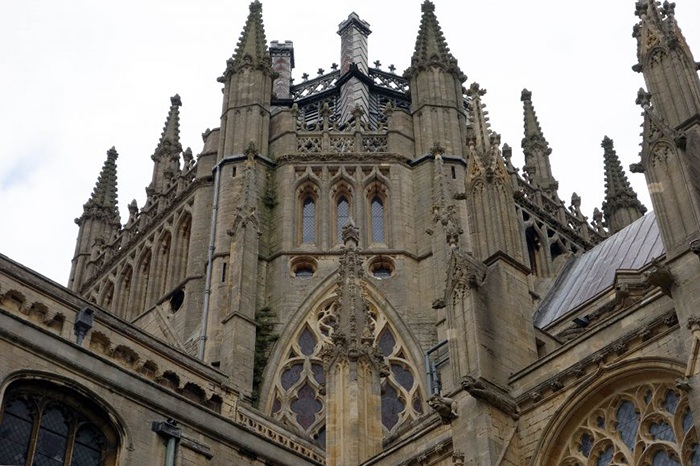
b)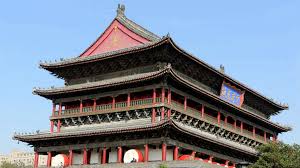
c)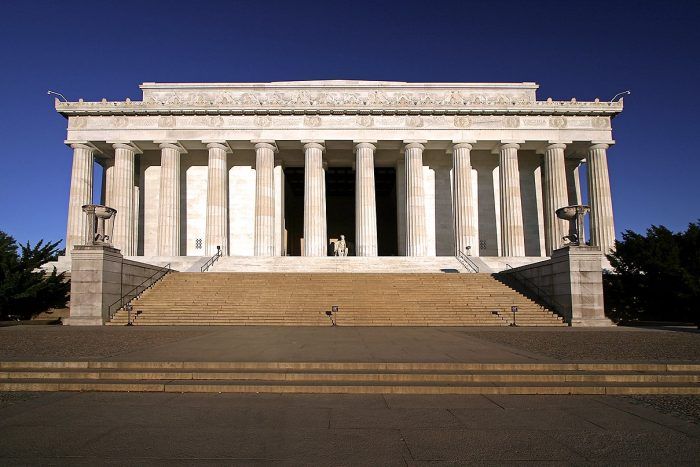
d)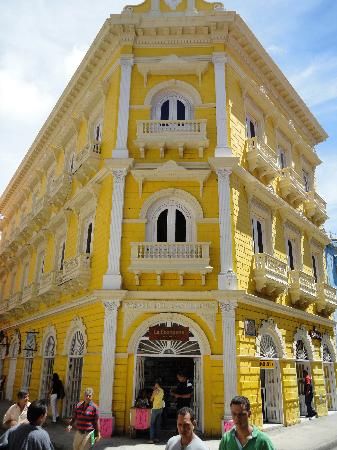
100 %

