
 Worksheets
Science - Natural Disasters
Total questions: 30
Worksheet time: 1hrs 2mins
Fill in the blank:
Geological events happen when change occurs below or on the Earth's (a)
Earthquakes occur everyday on Earth
True
False

What happened to these cows?
Ate the grass
Moved to safety
Fell off
Rolled down the cliff and walked away

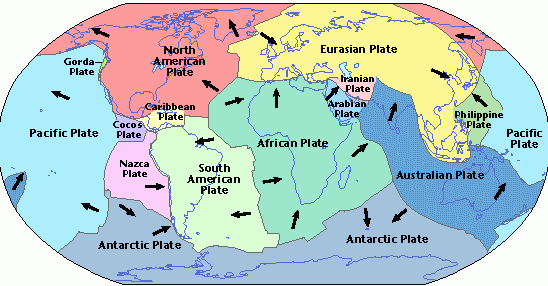
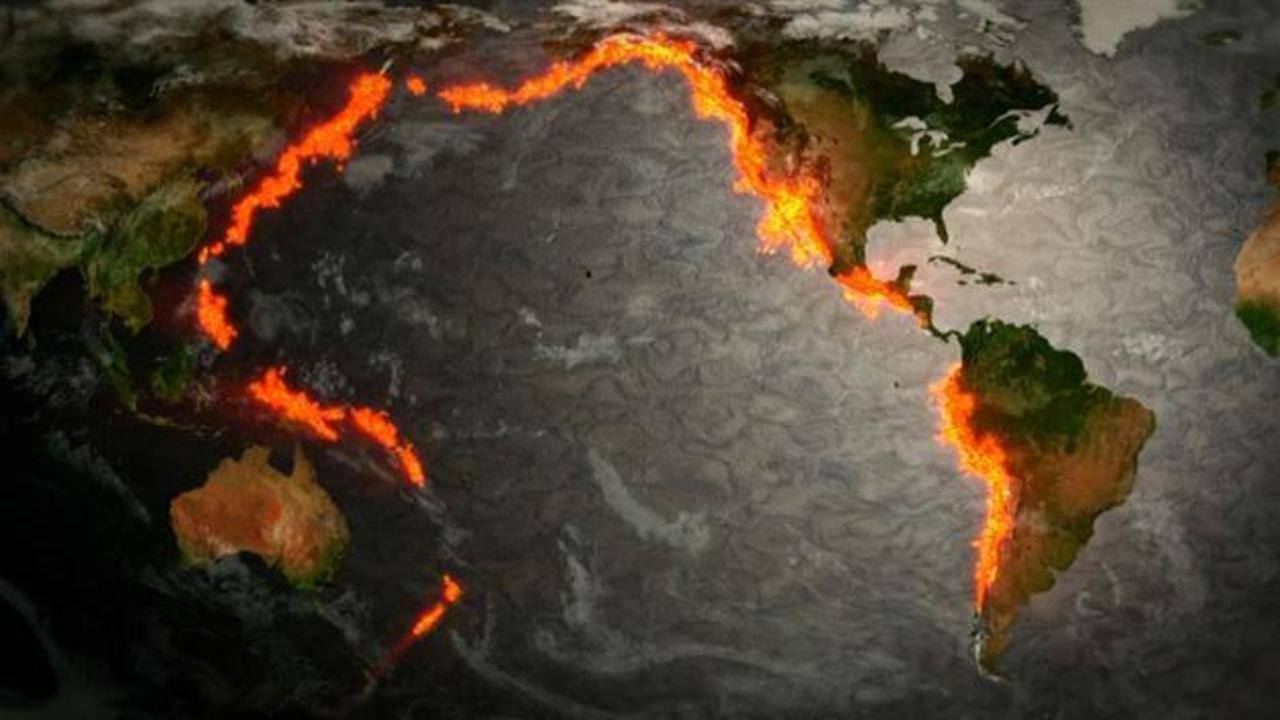
Describe the most likely relationship between these mountains and nearby tectonic plates.
The mountains are probably formed by earthquakes
The mountains are probably formed by the movement of glaciers
The mountains are probably located near the edge of 2 tectonic plates.
The mountains are probably formed by running water.


Fill in the blank:
The Earth's (a) is below the crust.
What is the range for the Mercalli intensity scale?
l to Xll
l-X
1-10
infinity
What is the point on the surface of the earth directly above the focus of an earthquake?
epicenter
fault
focus
intensity
The word"Tsunami" comes from the Japanese words tsu and nami.
What do they mean in English?
harbor
ocean
wave
death
Tsunamis are caused by
underwater disturbances such as earthquakes, landslides, and volcanoes.
wind and the gravitational pull of the moon.
Regular waves are caused by
underwater disturbances such as earthquakes, landslides, and volcanoes.
wind and the gravitational pull of the moon.
Which of the following shows the correct order of events for a tsunami?
Water recedes back into the ocean carrying all the debris, tsunami waves hit, tide retreats as a warning
Tide retreats as a warning, water recedes back into the ocean carrying all the debris, tsunami waves hit
Tide retreats as a warning, tsunami waves hit, water recedes back into the ocean carrying all the debris
I have NO idea
As the waves travel through shallow water toward the land they get
bigger
smaller
stay the same
Which statement is accurate regarding tsunamis in the open ocean?
The wave is very high, compared to the surrounding water.
The water is lifted, but barely noticeable in deep water.
Do you think Brisbane City is at risk from a tsunami? Why / why not?

Volcanic eruptions can last from hours to thousands of years
True
False

What kind of 'flow' is pictured?
(a)

