Wayground logo

Free Printable Worksheets

Font size

S
M
L
XL
Worksheets

Space

Total questions: 50

Worksheet time: 37mins

Name
Class
Date
1.

Name two stars

a)

Sirius

b)

Canopus

c)

Earth

d)

Mars

2.

Our solar system lies in which spiral arm?

a)

Norm arm

b)

Persus arm

c)

Orion arm

d)

No response

3.

Name two planets

a)

Mars

b)

Neptune

c)

Sirius

d)

Taurus

4.

Name three spiral arms

a)

Orion arm

b)

Persus arm

c)

Norm arm

d)

All of these

5.
Our galaxy is called the
a)
Earth Nebula
b)
The Hubble Galaxy
c)
The Milky Way
d)
The Snickers
6.
Galaxies are composed of (best answer)
a)
stars
b)
stars and gas
c)
stars, dust, and gas
d)
stars, dust, and gas held together by gravity
7.
The Milky Way Galaxy is a 
a)
spiral
b)
lenticular
c)
elliptical 
d)
irregular
8.
What type of galaxy is this?
a)
Spiral
b)
Elliptical
c)
Irregular 
d)
Irrational
9.
Distance measurement used by astronomers for distant objects.
a)
Kilometers
b)
Light Years
c)
Miles
d)
Light Seconds
10.
What is not a galaxy?
a)
Optical Galaxy
b)
Spiral Galaxy
c)
Elliptical Galaxy
d)
Irregular Galaxy
11.
Place these objects in order from smallest to largest.
a)
Planets, solar system, universe, galaxy
b)
Solar system, planets, galaxy, universe
c)
Planets, solar system, galaxy, universe
d)
Galaxy, solar system, planets, universe
12.
Our sun is located on one of the Spiral Galaxy arms.  
a)
True
b)
False
13.
The most abundant type of galaxy in the universe is an...
a)
Spiral Galaxy
b)
Elliptical Galaxy
c)
Irregular Galaxy
14.
Our Sun is one of many stars in the Milky Way Galaxy. Which term BEST describes our Sun?
a)
large
b)
average sized
c)
small
15.
Stars are grouped together according to patterns known as ___________________.
a)
constellations
b)
solar systems 
c)
galaxies
16.
1.  Earth's seasons are caused by the tilt of the____________.
a)
axis
b)
hemispheres
c)
gravity
17.
1.  When all of the moon is lit up it is called a _____________.
a)
New Moon
b)
Gibbous Moon
c)
Full Moon
18.
The Earth is constantly spinning on its axis, like you might spin a basketball on your finger.

It is this spinning of the Earth that causes
 
a)
the seasons
b)
night and day
c)
moon phases
19.
Which of these causes the phases of the moon?
a)
earths orbit around the sun
b)
the moons orbit around earth
c)
the orbit of the sun as it orbits earth
d)
the orbit of the moon as it orbits the sun
20.
Which statement describing the relationship between stars and planets is true?
a)
planets orbit the sun and stars do not
b)
planets create light, and stars reflect light energy
c)
stars orbit some planets
d)
the sizes of the planets are directly related to the sizes of nearby stars
21.
How long does it take to the Earth to do the ROTATION MOVEMENT?
a)
365 days
b)
24 hours
c)
24 hours + 6 hours
d)
28 days
22.
What is the Moon?
a)
It is a planet
b)
It is a satellite
c)
It is a star
d)
It is a comet
23.
What is the Sun?
a)
It is a satellite
b)
It is a Star
c)
It is a comet
d)
It is a planet
24.
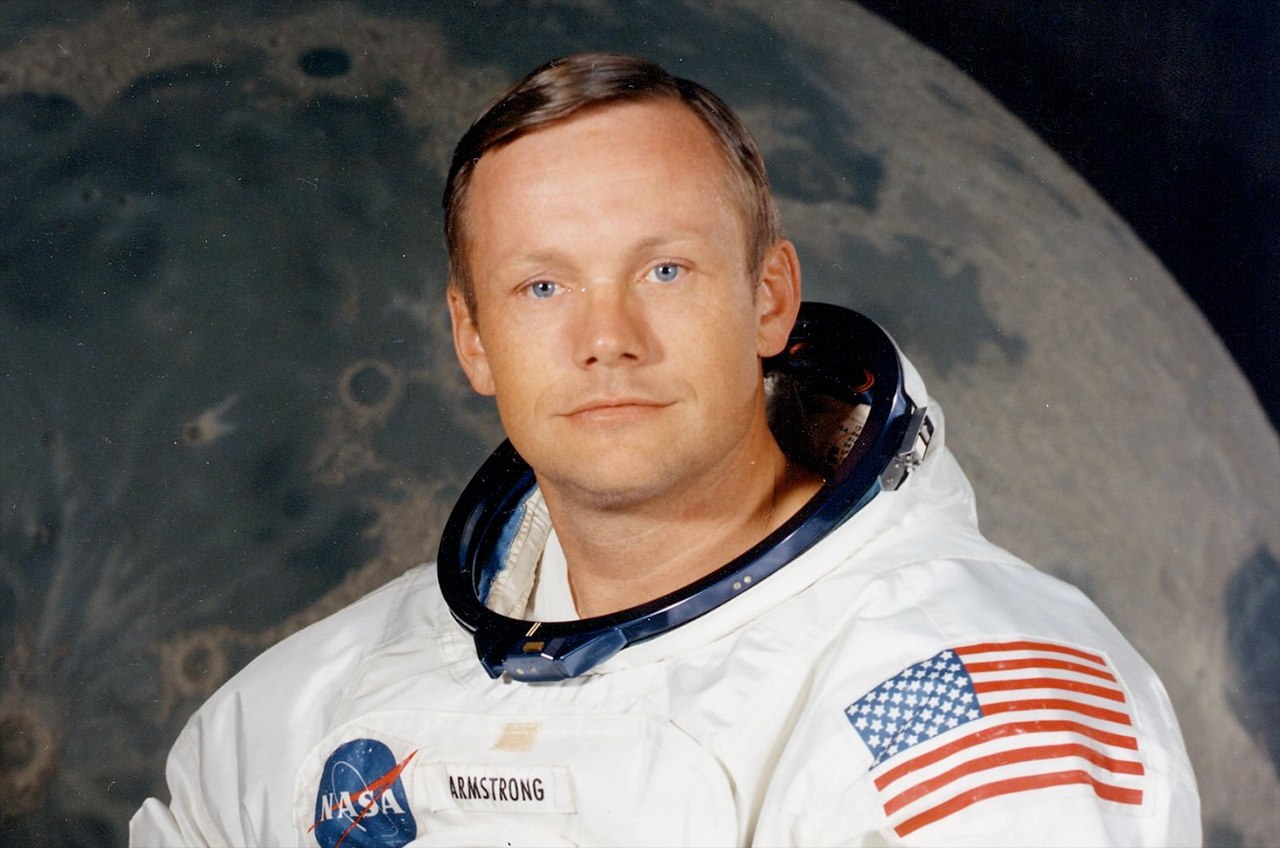
Who is Neil Amstron?
a)
It was the first man on the Moon
b)
First man on Mars
c)
First man on Earth
d)
The man who invented telescope
25.
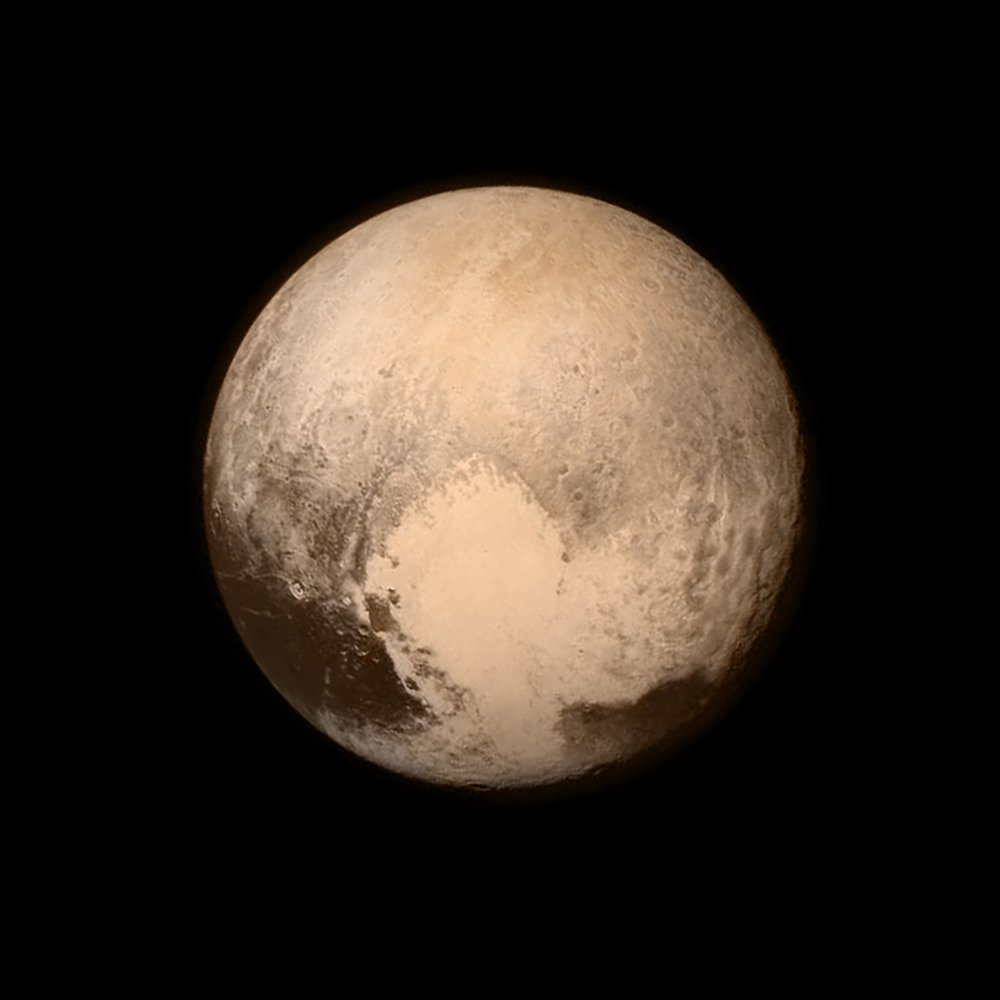
What is Pluto?
a)
An asteroid
b)
A planet
c)
A dwarf planet
d)
It doesn't exist
26.
What is this?
a)
satellite
b)
planets
c)
stars
d)
sun
27.

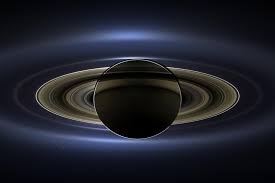
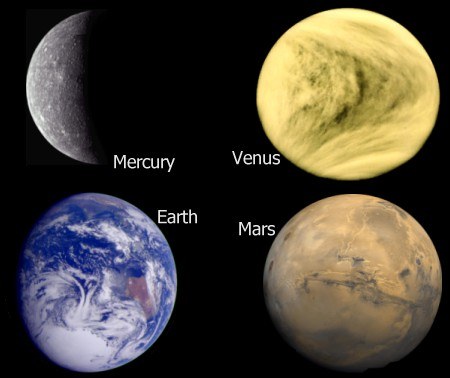
what is the planet ?

a)

Uranus

b)

Venus

c)

Saturn

28.

Mercury is the smallest planet in the Solar System.

a)

True

b)

False

29.

A huge system of millions or billions of stars, together with gas and dust, held together by gravity.

a)

galaxy

b)

solar system

c)

nebula

d)

asteroid

30.

A light year is the measurement of ________ light travels in one year.

a)

time

b)

distance

31.

A scientist that studies stars, planets, and other objects in space.

a)

astrologist

b)

zoologist

c)

astronomer

d)

plantologist

32.

This type of galaxy contains only old stars.

a)

irregular

b)

spiral

c)

elliptical

d)

all galaxies

33.

This type of galaxy contains a mixture of all ages of stars.

a)

irregular

b)

spiral

c)

elliptical

d)

all galaxies

34.
Which planet has a very dense atmosphere made mostly of carbon dioxide?
a)
Jupiter
b)
Mars
c)
Earth
d)
Venus
35.
Which planet does not have a density greater than water?
a)
Mars
b)
Saturn
c)
Jupiter
d)
Mercury
36.
Which planet has Olympus Mons, the solar system's largest volcano?
a)
Mars
b)
Earth
c)
Saturn
d)
Io
37.
What process has occurred when atoms combine to form a new element and release energy?
a)
Ionization
b)
Fission
c)
Fusion
d)
Hydrogenation
38.
Gas and dust in interstellar nebulae form ______
a)
meteors
b)
comets
c)
stars
d)
asteroids
39.
The major reason inner planets have smaller levels of hydrogen & helium is _______
a)
the outer planets have lower specific gravity
b)
the Earth's gravity holds the lighter elements
c)
the inner planets are composed of a gaseous exterior
d)
the Sun's energy burns off the lighter gases
40.
Jupiter, Saturn, Uranus, and Neptune have high concentrations of which element?
a)
Silicon
b)
Lithium
c)
Hydrogen
d)
Carbon
41.
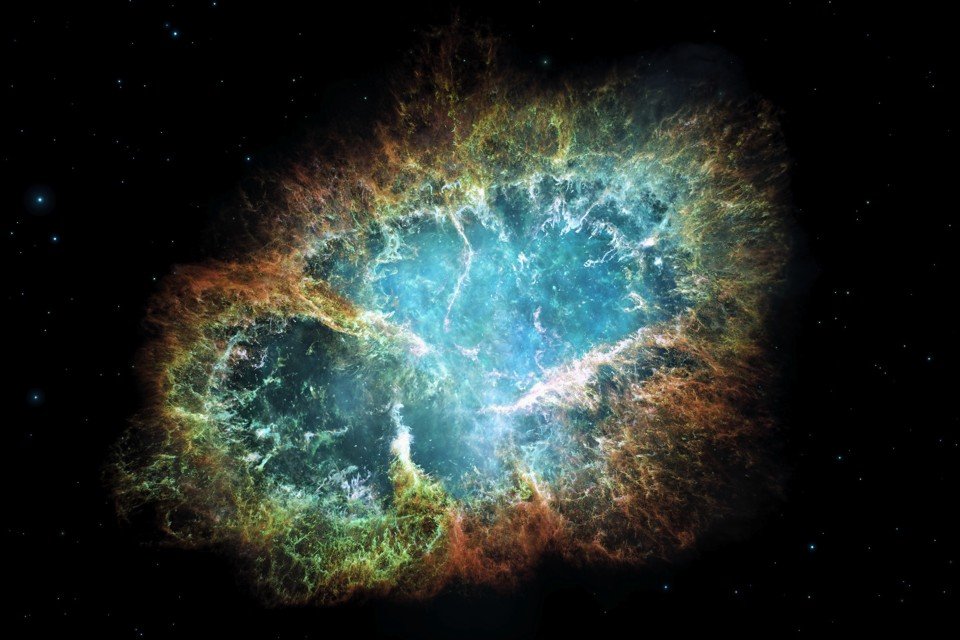
Which best describes the composition of a nebula?
a)
Clouds of dust and gas
b)
Ice crystals
c)
Large asteroids
d)
Planets and moons
42.
Why is the Earth capable of sustaining all three forms of water?
a)
Revolution of the Moon around the Earth
b)
Position of the Earth to the Sun
c)
Rotation of the Earth throughout the day
d)
Movement of the material in the inner core
43.
Earth and the other planets closest to the Sun are made mostly of _______
a)
gas
b)
metal
c)
water
d)
rock
44.
What is the name of the explosion at the death of a massive star?
a)
Supergiant
b)
Supernova
c)
Black Hole
d)
Nebula
45.
______ is a force that causes dust particles to stick together in a nebula.
a)
nuclear fusion
b)
gravity
c)
hydrogen
d)
friction
46.

_______ __________ are a group of planets that are farther away from the sun and made up of gas.

a)

Rocky Planets

b)

Asteroid Belt

c)

Gas Giants

d)

Dwarf Planets

47.
The rotating cloud of gas and dust from which our solar system is thought to have formed is called a 
a)
hurricane
b)
nebula
c)
storm
d)
tornado
48.

What are the large rocks flying in the space called?

a)

Asteroids

b)

Stars

c)

Planets

d)

Comets

49.

What are the small rocks flying in the space called?

a)

Asteroids

b)

Meteoroid

c)

Planets

d)

Comets

50.

What are the dusty snowballs flying in the space called?

a)

Asteroids

b)

Comets

c)

Planets

d)

Meteoroids