
 Worksheets
UNIT 3: We protect our bones and muscles
Total questions: 45
Worksheet time: 2hrs 30mins
Our skeletal system is made up of all the ________ in our body. They form a skeleton.
bones
muscles
joints
teeth
organs
How many bones does the human body have?
106
410
206
195
248
Babies have got more bones than adults.


Bones doesn't contain minerals like calcium
Muscles contract in response to orders they receive from the nervous system. When they stop receiving the order, they return to their original size.
Bones are living organs. Bones grow and their cells need nutrients.
Bones are...
hard organs
soft organs
flexible organs
transparent organs

Muscles are...
hard organs
strong organs
elastic organs
transparent organs
Select the bone that is considered short
femur
humerus
frontal bone
vertebra
tibia
Select the bone that is considered flat
femur
humerus
frontal bone
vertebra
tibia
Select the bone that is considered long
femur
pelvis
frontal bone
vertebra
jaw

The bones of the skeleton meet at the...
muscles
joints
ligaments
cartilage
elbow
When they meet at these joints, the bones can move.
For example: the elbow and the knee
Moveable joints
Fixed joints
When they meet at these joints, the bones don't move.
For example: the skull
Moveable joints
Fixed joints
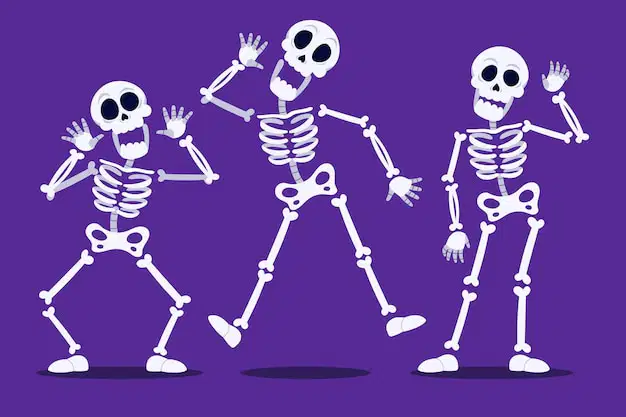
In this part of the body we can find bones that protect our brain, such as the temporal bone.
Head
Trunk
Limbs
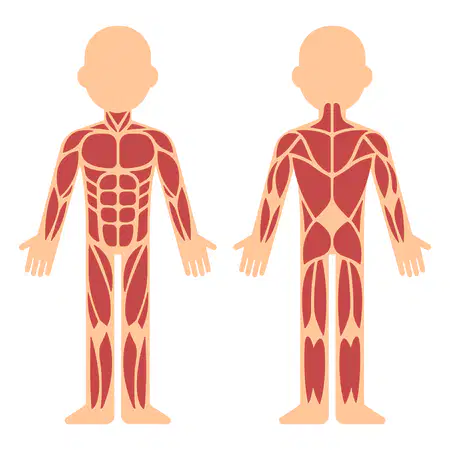
In this part of the body we can find flat and circular muscles that we use for speaking, chewing and facial expressions.
Head
Trunk
Limbs
In this part of the body we can find large and flat muscles that support our backbone and protect the organs in the abdomen.
Head
Trunk
Limbs
In this part of the body we can find long muscles that help us move our arms, legs, hands and feet.
Head
Trunk
Limbs
In this part of the body we can find bones that protect our spinal cord and other organs like the heart, such as the ribs.
Head
Trunk
Limbs
In this part of the body we can find bones placed in our arms, legs, hands and feet, such as the humerus.
Head
Trunk
Limbs

Select the scapula
4
13
21
7
23
Select the femur
8
9
17
2
22
Select the jaw
1
5
12
2
19
Select the sternum
8
5
10
23
17
Select the humerus
3
20
13
21
10
Number 15 corresponds to...
radius
rib
phalange
skull
fibula
Number 9 corresponds to...
scapula
patella
tarsus
frontal bone
fibula
Number 7 corresponds to...
sternum
ulna
tarsus
pelvis
carpus
Number 23 corresponds to...
parietal bone
femur
frontal bone
jaw
metatarsus
Number 6 corresponds to...
ulna
rib
frontal bone
vertebra
tibia

The muscular system is made up of all the _______ in our body.
Most of the muscles produce the movements that we make.
joints
bones
muscles
organs
ribs
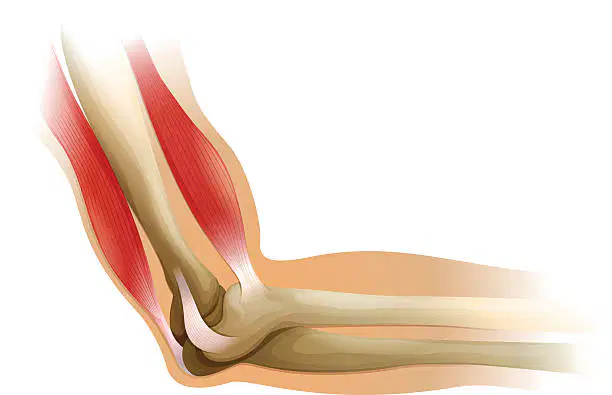
Many muscles are attached to the bones by ________ which are bands of very strong tissue.
tendons
bones
joints
teeth
hands
How many skeletal muscles do we have?
About 600
About 400
About 1000
About 350
About 206
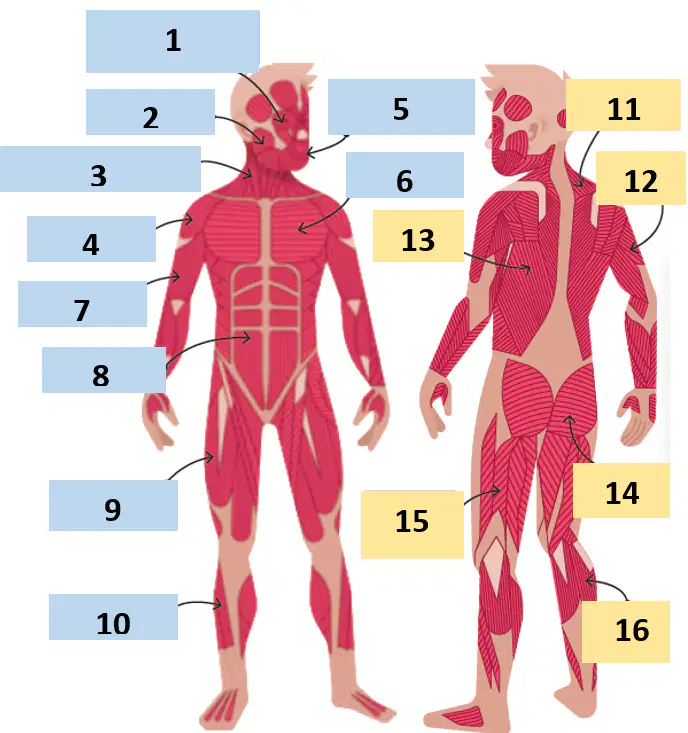
Select the pectorals
9
6
15
11
3
Select the tibialis
1
4
10
14
3
Select the biceps
7
14
8
11
2
Select the triceps
1
15
12
9
2
Number 3 corresponds to...
sternocleidmastoid
pectorals
masseter
gluteus
trapezius
Number 16 corresponds to...
biceps
deltoids
calf muscle
gluteus
abdominals
Number 13 corresponds to...
dorsal
deltoids
triceps
gluteus
tibialis
When we do these actions, we are conscious of doing them.
The brain identifies the stimulus and sends orders.
Example: reading a book
Voluntary actions
Reflex actions
We are not conscious of the order to carry outthese actions, but we know when it has happened. They involve the spinal cord.
Example: breathing
Voluntary actions
Reflex actions
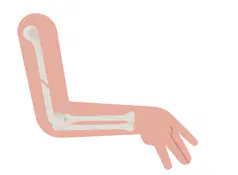
Broken bone.
It can be broken completely or there can be a small crack.
Fracture
Sprain
Contracture

It occurs when one or more ligament is stretched.
Fracture
Sprain
Contracture
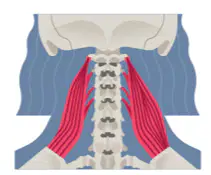
It is an involuntary and prolonged contraction of a muscle.
Fracture
Sprain
Contracture

